EU Housing Crisis: 60% Price Surge Sparks New Investment Plan
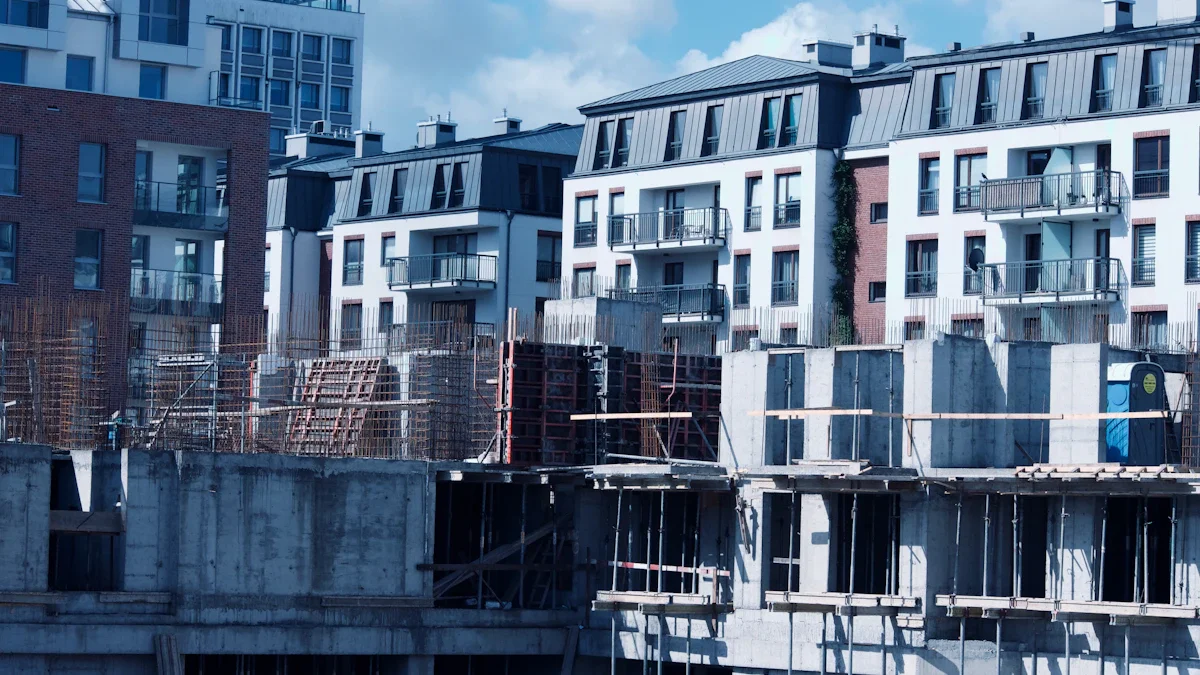
Over the past decade, the European Union has witnessed a staggering 60% increase in housing prices, a trend that has significantly outpaced supply and left millions of citizens struggling with affordability. This data point served as the backdrop for the informal meeting of EU housing ministers in Nicosia, Cyprus, where officials gathered to address the widening gap between housing demand and the current pace of construction and renovation.
Representing Lithuania, Environment Minister Kastytis Žuromskas emphasized that the crisis is no longer just a market fluctuation but one of the most pressing socio-economic challenges facing the bloc. The European Commission estimates that to bridge the current housing and renovation gap, the EU requires an additional €150 billion in annual investment. This shortfall has prompted a shift in focus toward more aggressive policy interventions and streamlined administrative frameworks.
The EU Housing Crisis by the Numbers
| Metric | Impact / Requirement |
|---|---|
| EU Housing Price Increase (10-Year Trend) | Over 60% |
| Annual Investment Gap | €150 Billion |
| Primary Policy Focus | Supply Expansion & Renovation Speed |
| Key Technological Strategy | BIM & Digital Permitting |
Streamlining the Path to New Supply
A central theme of the discussions was the need to dismantle the bureaucratic hurdles that often stall housing developments. Minister Žuromskas argued that the primary obstacle to increasing supply is frequently not the stringency of the requirements themselves, but the inefficient ways in which they are implemented. To combat this, Lithuania is championing a model of digital transformation within the construction sector.
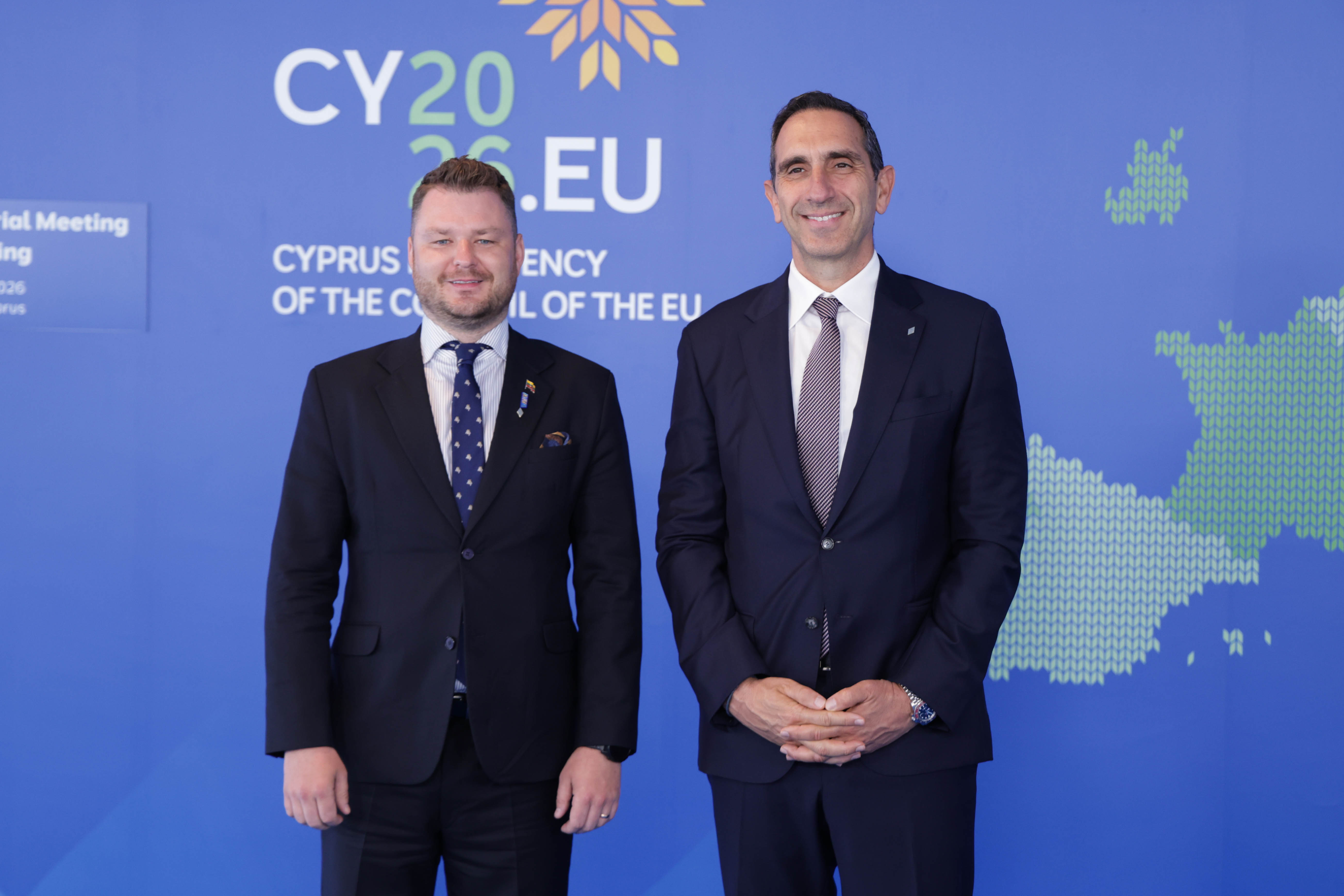
The proposed strategy involves the widespread adoption of Building Information Modeling (BIM) technologies and the implementation of “one-stop-shop” systems for building permits. By automating coordination processes between various institutions, member states aim to reduce project risks and administrative costs for developers. The goal is to provide a more predictable environment for investors, which is seen as essential for attracting the private capital necessary to meet the €150 billion annual target.
Innovative Financing and the Lithuanian Model
To accelerate both new builds and the renovation of existing stock, the ministers discussed the mobilization of diverse investment streams. Lithuania presented its national experience as a potential blueprint, specifically highlighting a model where public subsidies are strategically paired with preferential loans for multi-apartment renovations.
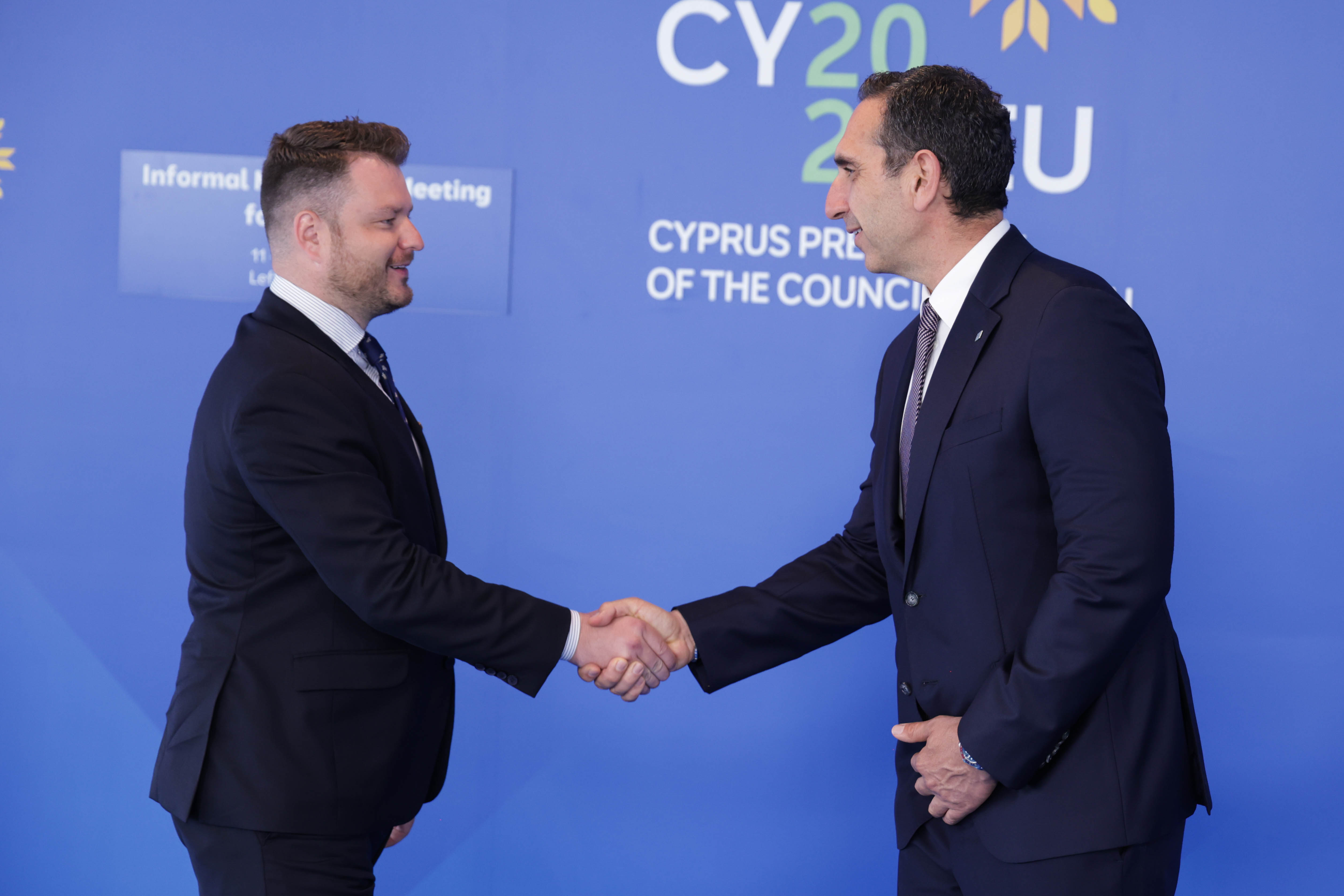
This “blended finance” approach acknowledges that while subsidies are vital for reducing the immediate financial burden on residents, they are rarely sufficient on their own to achieve the scale of renovation required by EU climate goals. Minister Žuromskas noted that for these models to be effective, projects must be technically sound and administered through clear, transparent systems that can be easily navigated by both municipalities and private owners.
A Unified European Investment Platform
Looking forward, the ministers explored the creation of an “All-European” investment platform dedicated to affordable and sustainable housing. This platform is intended to serve as a centralized resource for member states to identify funding sources and strengthen project preparation. One of its primary objectives will be the aggregation of smaller, local initiatives into larger project bundles that are more attractive to major international financiers.

For countries like Lithuania, the success of such a platform hinges on its flexibility. The focus is not on replacing existing national schemes that already function well, but on providing the technical assistance needed to launch new municipal housing projects and select the most appropriate financial instruments for local markets. As the EU moves toward a more integrated housing strategy, the emphasis remains on balancing high-level financial mobilization with the practical, digital modernization of local planning and permitting systems.
Original reporting by: elta
Source: ELTA