Free Civil Defence Tours: How 15 Cities are Boosting Crisis Preparedness for International Red Cross Day
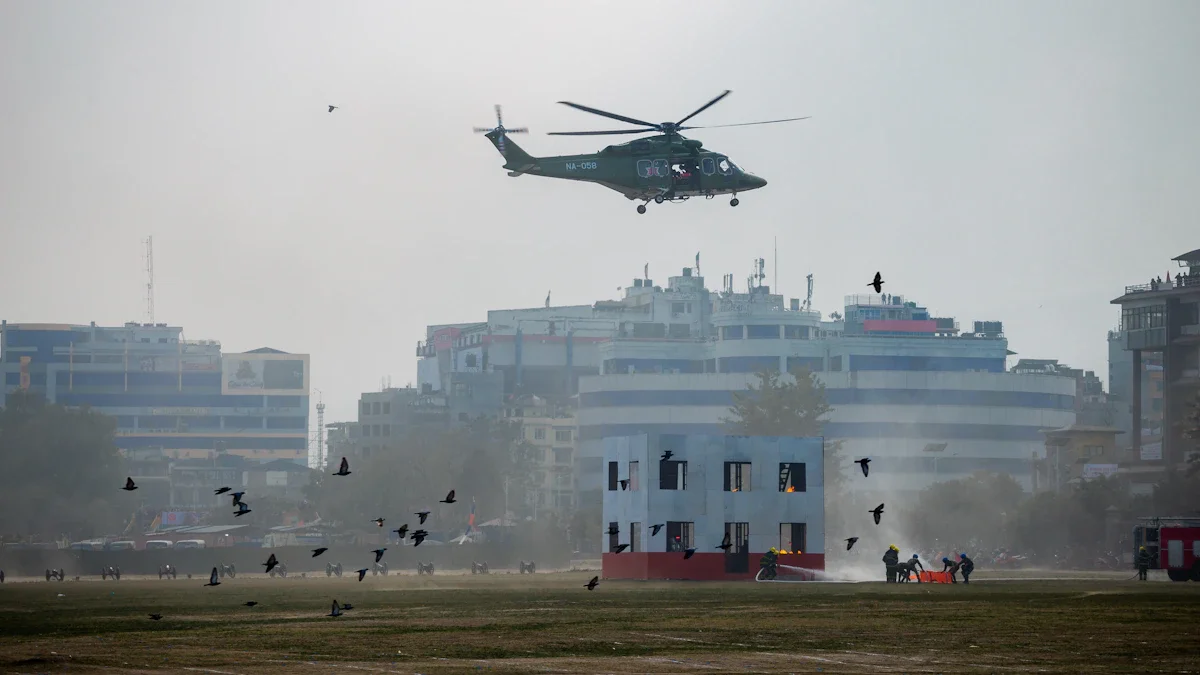
To mark International Red Cross Day on May 8th, the Lithuanian Red Cross is launching a nationwide initiative to improve public safety and crisis resilience. In a unique collaboration with 15 municipalities, the organisation is hosting free civil defence excursions designed to provide residents with practical, life-saving knowledge. These tours aim to transform the historical significance of the Red Cross movement into actionable community preparedness.
Local authorities are often the primary source of information and coordination during emergencies. By opening up these excursions to the public, the Red Cross and municipal leaders are encouraging citizens to take an active role in their own safety. The initiative is not merely about observation but about building a culture of readiness across the country.
Practical Safety Training Across 15 Municipalities
The excursions are scheduled to take place in a wide variety of urban and regional centres, ensuring that a significant portion of the population has access to this training. Most events will occur on May 8th, with one exception in Elektrėnai.
| City/Region | Date | Event Type |
|---|---|---|
| Vilnius, Kaunas, Klaipėda | 8 May | Civil Defence Tour |
| Panevėžys, Alytus, Marijampolė | 8 May | Civil Defence Tour |
| Jonava, Kėdainiai, Druskininkai | 8 May | Civil Defence Tour |
| Rokiškis, Vilkaviškis, Raseiniai | 8 May | Civil Defence Tour |
| Varėna, Lazdijai | 8 May | Civil Defence Tour |
| Elektrėnai | 9 May | Civil Defence Tour |
During these sessions, participants will visit key civil defence sites within their own communities. The goal is to demystify the infrastructure of public safety, allowing residents to see firsthand where they should go and what they should do if an emergency siren sounds. By walking the routes and visiting the locations in a non-emergency setting, the Red Cross hopes to reduce panic and improve response times during actual crises.
Understanding Shelters and Emergency Protocols
A core component of the tours is educating the public on the different types of protective structures available. Many residents are unaware of the specific distinctions between various safety designations, which can be critical during a fast-moving situation. The excursions will clarify the differences between:
- Shelters (Priedangos): Designed for short-term protection against immediate threats like shelling or extreme weather.
- Collective Protection Buildings: Larger facilities intended for longer-term stays, often equipped with basic amenities for displaced populations.
- Evacuation Points: Designated assembly areas where residents gather to receive further instructions or transport to safer zones.
Beyond physical locations, experts will demonstrate how to interpret warning signals and sirens. Understanding the ‘rhythm’ of emergency communication ensures that residents know whether to stay indoors, seek a basement, or move to a collective protection site. Furthermore, the tours will cover the essential ’72-hour bag’—the emergency kit every household should have prepared, containing water, non-perishable food, medications, and important documents.
The Legacy of Henry Dunant and the Red Cross Mission
International Red Cross Day is celebrated on May 8th to honour the birth of Henry Dunant, the movement’s founder. Dunant’s vision was born on the battlefield of Solferino in 1859, where he witnessed the suffering of thousands of wounded soldiers left without care. His subsequent efforts led to the creation of the International Committee of the Red Cross (ICRC) in 1863 and the first Geneva Convention in 1864.
In Lithuania, the Red Cross Society has been an integral part of the national fabric since 1919. Operating as a vital auxiliary to the state, the organisation focuses on seven fundamental principles: humanity, impartiality, neutrality, independence, voluntary service, unity, and universality. These principles guide the current focus on civil defence, as the organisation seeks to empower every individual to be a ‘first responder’ in their own community. Ingrida Damulienė, Secretary General of the Lithuanian Red Cross, emphasises that preparedness is a collective responsibility that begins with individual awareness.
How to Participate and Prepare Your Household
Residents interested in joining these free excursions are encouraged to register via the official Lithuanian Red Cross website. Because group sizes may be limited to ensure a high-quality educational experience, early registration is recommended. Municipalities are also sharing specific meeting points and times through their local communication channels and social media pages.
For those unable to attend the physical tours, the Red Cross suggests several immediate steps to improve household readiness:
1. Create a Family Plan: Discuss where family members will meet if they are separated during an emergency and who the primary out-of-town contact will be.
2. Audit Your Emergency Kit: Ensure your 72-hour bag is packed and that food or batteries have not expired.
3. Identify Your Nearest Shelter: Use local government maps to find the closest ‘Priedanga’ to your home and workplace.
By participating in these events, residents contribute to a more resilient and responsible society, capable of supporting one another during times of uncertainty.
Source: Birštono savivaldybė