From Soviet to Rebirth: Visaginas Finalises Historic Street Renaming
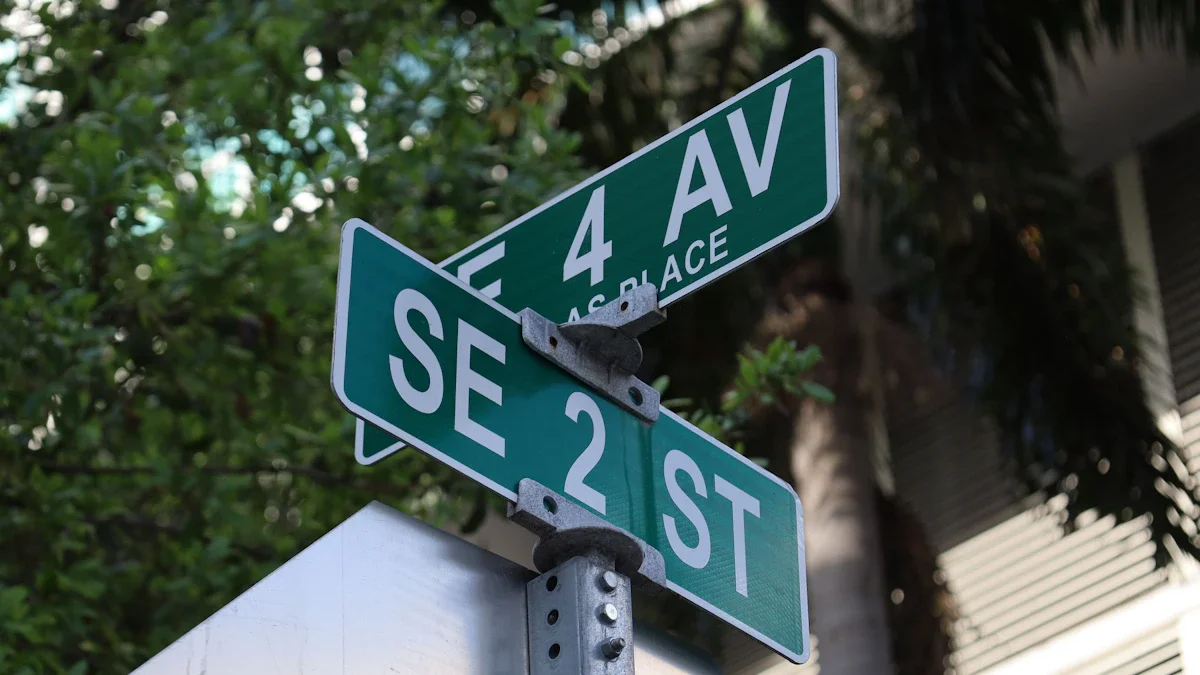
The Lithuanian city of Visaginas is preparing to close a chapter of its Soviet-era identity as local authorities move to finalise the renaming of one of its most prominent thoroughfares. Tarybų (Soviet) Street is set to be officially rebranded as Atgimimo (Rebirth) Avenue, marking a significant step in the town’s alignment with national de-sovietization laws.
While the change reflects a broader national movement to erase symbols of the USSR from public spaces, the process in Visaginas has been uniquely shaped by local community consultation. Following a ruling by the Constitutional Court of the Republic of Lithuania, Mayor Erlandas Galaguz established a dedicated working group to oversee the transition, ensuring that the new identity of the street was not merely imposed from above but discussed on the ground.
Community Engagement in the De-Sovietization Process
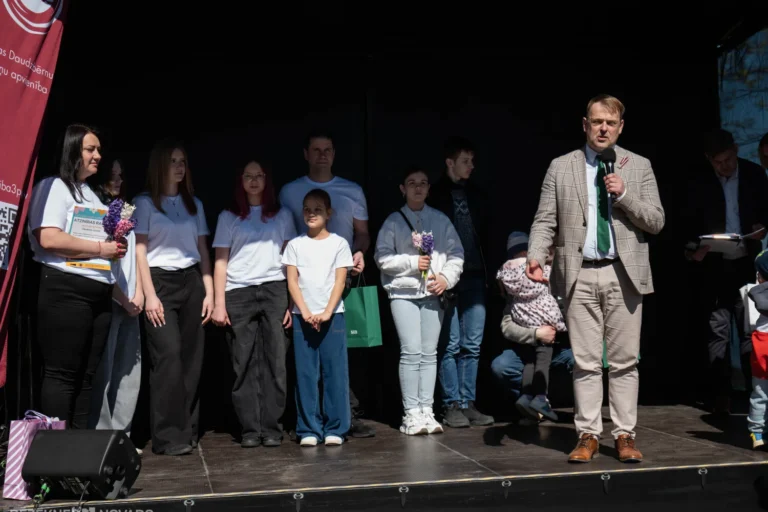
Unlike many administrative changes that occur behind closed doors, the renaming of Tarybų Street involved a multi-layered public consultation process. Residents were invited to submit their own suggestions for the new name through both digital platforms and in-person submissions. This effort culminated in a public meeting held at the Visaginas City Museum on March 17, 2026, where locals engaged directly with the working group to voice concerns and preferences.
The choice of ‘Atgimimo’ (Rebirth or Renaissance) reflects a desire to move away from ideological labels toward a more forward-looking, neutral, yet culturally significant term. The working group also recommended changing the street’s designation from a standard ‘street’ (gatvė) to an ‘avenue’ (alėja), signaling an upgrade in the urban character of the area. This shift highlights the delicate balance the municipality is striking: fulfilling legal mandates to remove Soviet nomenclature while attempting to foster a sense of local pride and renewal.
The National Mandate for Cultural Decolonisation
To understand the significance of this change, one must look at Lithuania’s wider legislative landscape. The ‘Law on the Prohibition of the Promotion of Totalitarian, Authoritarian Regimes and Their Ideologies’—often referred to as the De-sovietization Law—requires municipalities to remove names, monuments, and symbols that glorify the Soviet or Nazi regimes.
Visaginas presents a unique case study in this effort. Built in the 1970s to serve the Ignalina Nuclear Power Plant, the town was a showcase of Soviet urban planning and remains home to a large Russian-speaking population. For many residents, these names are tied to personal histories and the town’s founding. However, the national government views the removal of ‘Tarybų’ (a direct reference to the Soviet councils) as a matter of national security and historical justice, particularly in the context of modern geopolitical tensions in Eastern Europe.
Practical Implications for Visaginas Residents
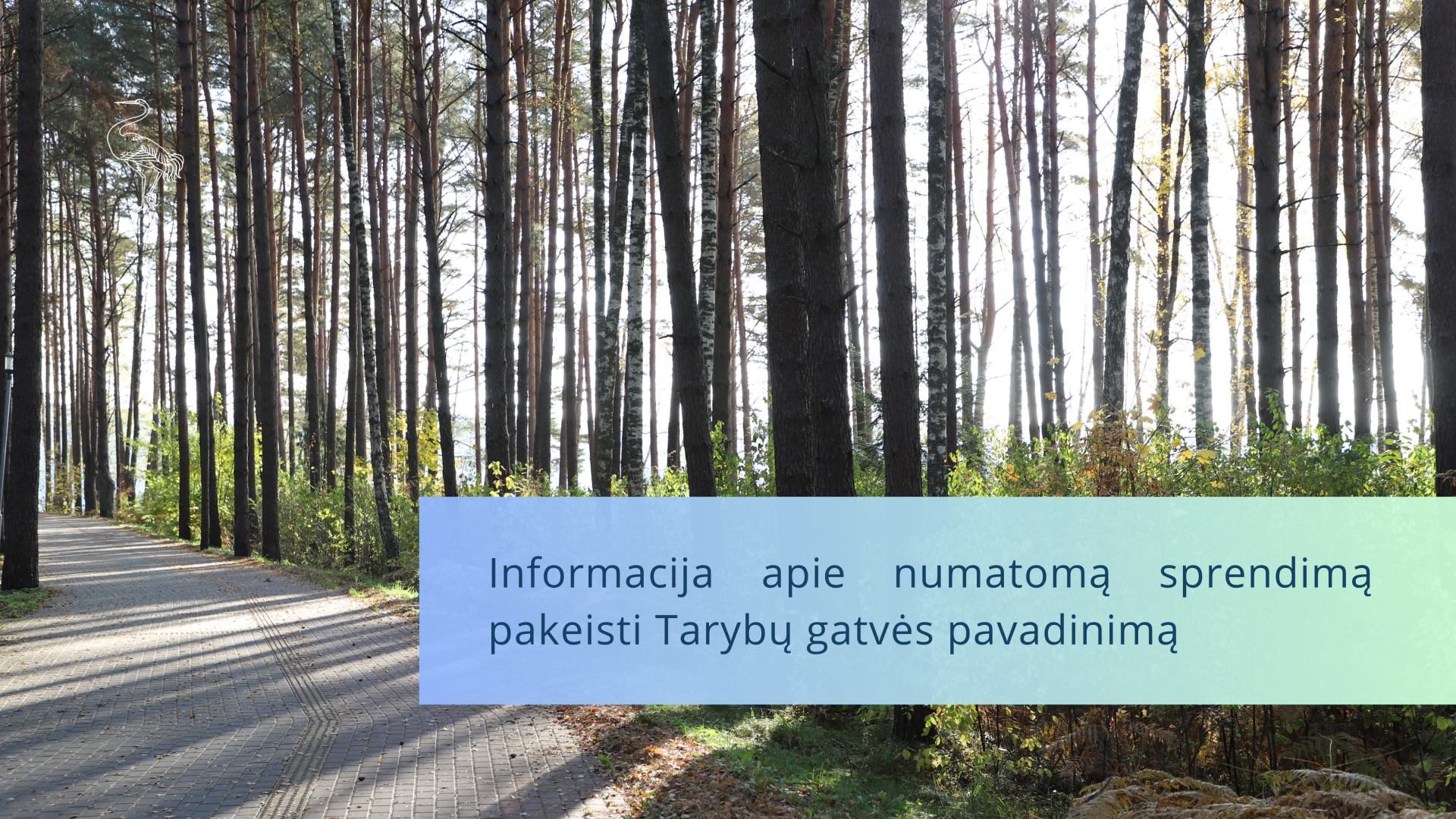
The transition is now entering its final administrative phase. A draft resolution, titled ‘On the Change of the Name of Tarybų Street in the City of Visaginas,’ was prepared on May 7, 2026. This document outlines the technical layout of the streets and the legal framework for the update.
For residents and business owners, the change will eventually necessitate updates to personal documents, business registrations, and navigation systems. The municipality has addressed these concerns through a series of Frequently Asked Questions (FAQs) provided during the consultation phase, aiming to minimise the bureaucratic burden on those living on the newly minted Atgimimo Avenue.
What Happens Next?
The Visaginas Municipal Council is scheduled to hold a formal session on May 28, 2026, to deliberate and vote on the final approval of the name change. Given the extensive preparatory work and the legal requirements set by the central government, the proposal is widely expected to pass.
As Visaginas moves toward this May deadline, the transformation of Tarybų Street serves as a microcosm of the broader Baltic experience: a continuous effort to reconcile a complex 20th-century heritage with a 21st-century European identity. The birth of Atgimimo Avenue will be more than just a change of signage; it will be a symbolic step toward a future defined by the community rather than a defunct regime.
Original reporting by: infoerdve.lt
Source: Visaginas savivaldybė