Free Swimming in Šiauliai: A New Model for Public Health Partnerships

Residents in the Lithuanian city of Šiauliai are gaining unprecedented access to health services through a unique collaboration between the local municipality and private enterprise. By opting to fund services rather than infrastructure, the city has unlocked more than 23,000 free swimming pool visits for targeted groups this year, providing a potential blueprint for cost-effective public health management across Europe.
Eligibility and Access to Free Swimming Services
The Šiauliai City Municipality has allocated over €300,000 from its budget to ensure that those most in need of physical activity can access high-quality facilities without financial barriers. The program is specifically designed to support individuals who have completed health strengthening programs focused on the prevention of cardiovascular diseases and diabetes.
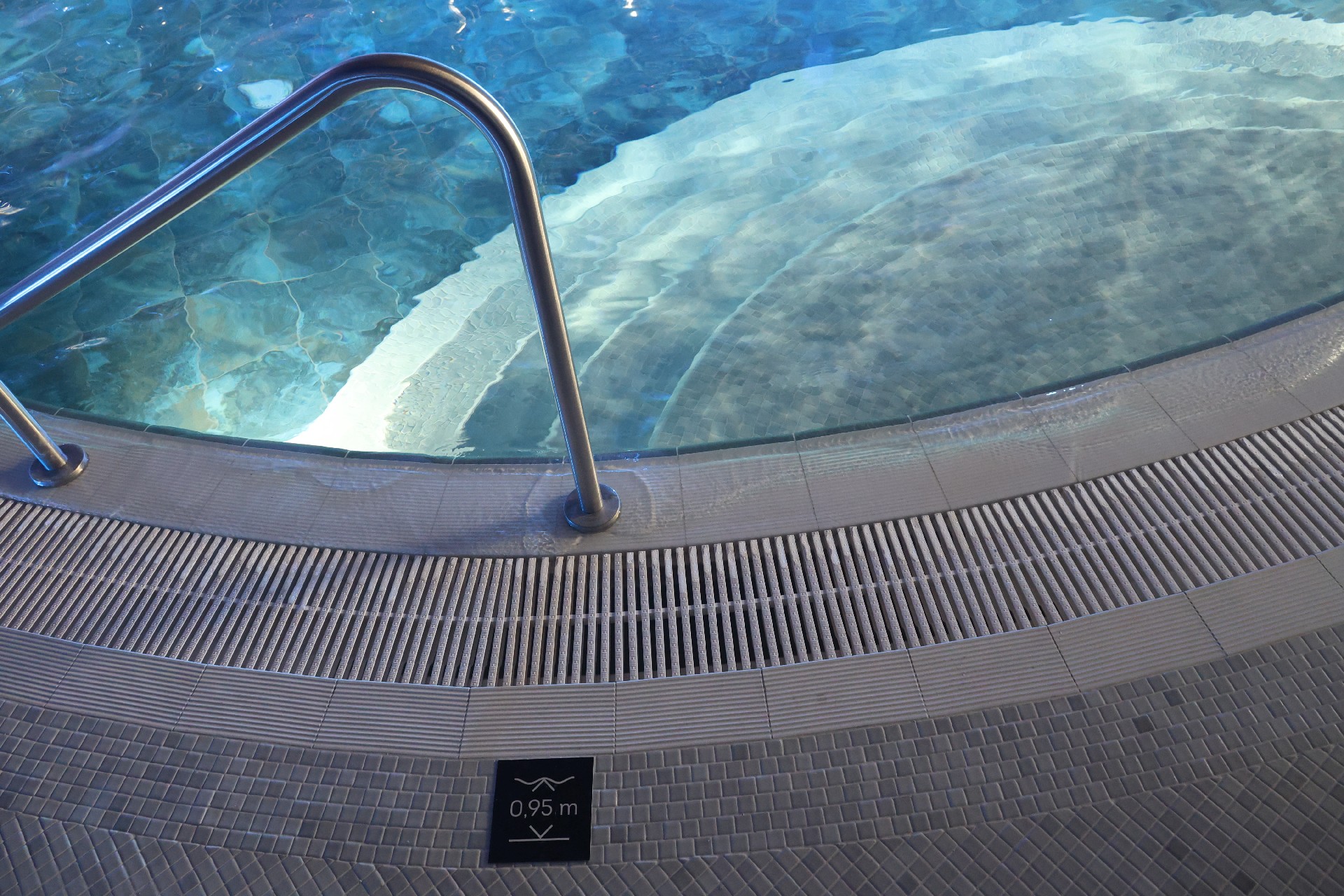
Eligibility is primarily determined by medical risk factors. Residents who have been identified by specialists as having high blood pressure, elevated cholesterol or glucose levels, or those struggling with obesity are the primary beneficiaries. By providing these individuals with 23,000 pre-paid visits to the “Tichė vandens namai” pool, the city aims to turn clinical advice into practical, sustained lifestyle changes.

In addition to those with chronic health risks, the initiative is a cornerstone of the “Social Prescription” program. This scheme is open to residents of retirement age who participate in activities organized by the Public Health Bureau. For these seniors, regular swimming is promoted not just as a physical necessity, but as a vital tool for social inclusion and emotional well-being, helping to combat the isolation often felt by the elderly.
The Šiauliai Model: Services Over Infrastructure
The most striking aspect of this initiative is the financial logic behind it. Rather than spending millions of euros in taxpayer money to construct and maintain a new municipal swimming facility, Šiauliai has partnered with a private business that has already made the capital investment.
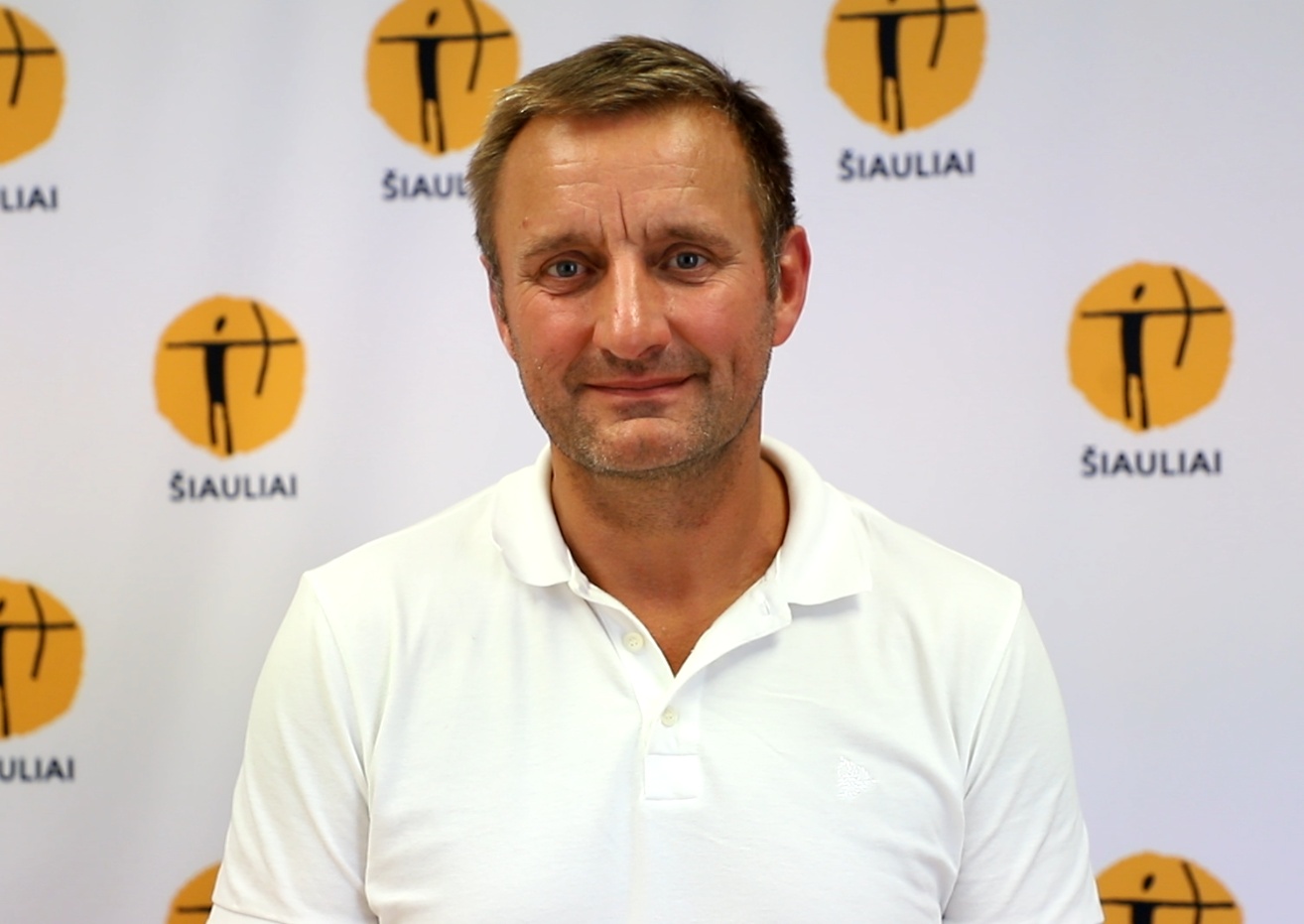
Šiauliai Mayor Artūras Visockas describes this as an “optimally functioning synergy of public and private funds.” By utilizing a private facility, the municipality avoids the long-term overheads of building maintenance and staffing. Instead, the budget is directed entirely toward the end goal: the health of the citizens. The mayor has suggested that this model should be examined at a national government level as a more efficient way to manage social and health budgets.
This approach mirrors similar “Social Prescribing” movements in the United Kingdom and other Western nations, where healthcare providers refer patients to non-clinical services to improve health and well-being. However, the Šiauliai example stands out for its direct integration of private sector infrastructure to solve public health gaps.
Managing the Transition to Active Living
The coordination of these services is handled by the Šiauliai City Municipal Public Health Bureau. Their role is to ensure that the administration of the visits is seamless and that residents are properly integrated into health-strengthening activities. This ensures that the swimming sessions are not merely leisure activities but are part of a structured preventive healthcare strategy.
By focusing on accessible infrastructure and preventive programs, the city is betting that an upfront investment in physical activity will lead to long-term savings in the healthcare system. As chronic lifestyle-related diseases continue to put pressure on public budgets worldwide, the Šiauliai partnership offers a compelling case for how cities can do more for their residents by building fewer buildings and buying more services.
Source: ELTA