Jelgava Modernises Bus Fleet with 10 New Hybrid Vehicles
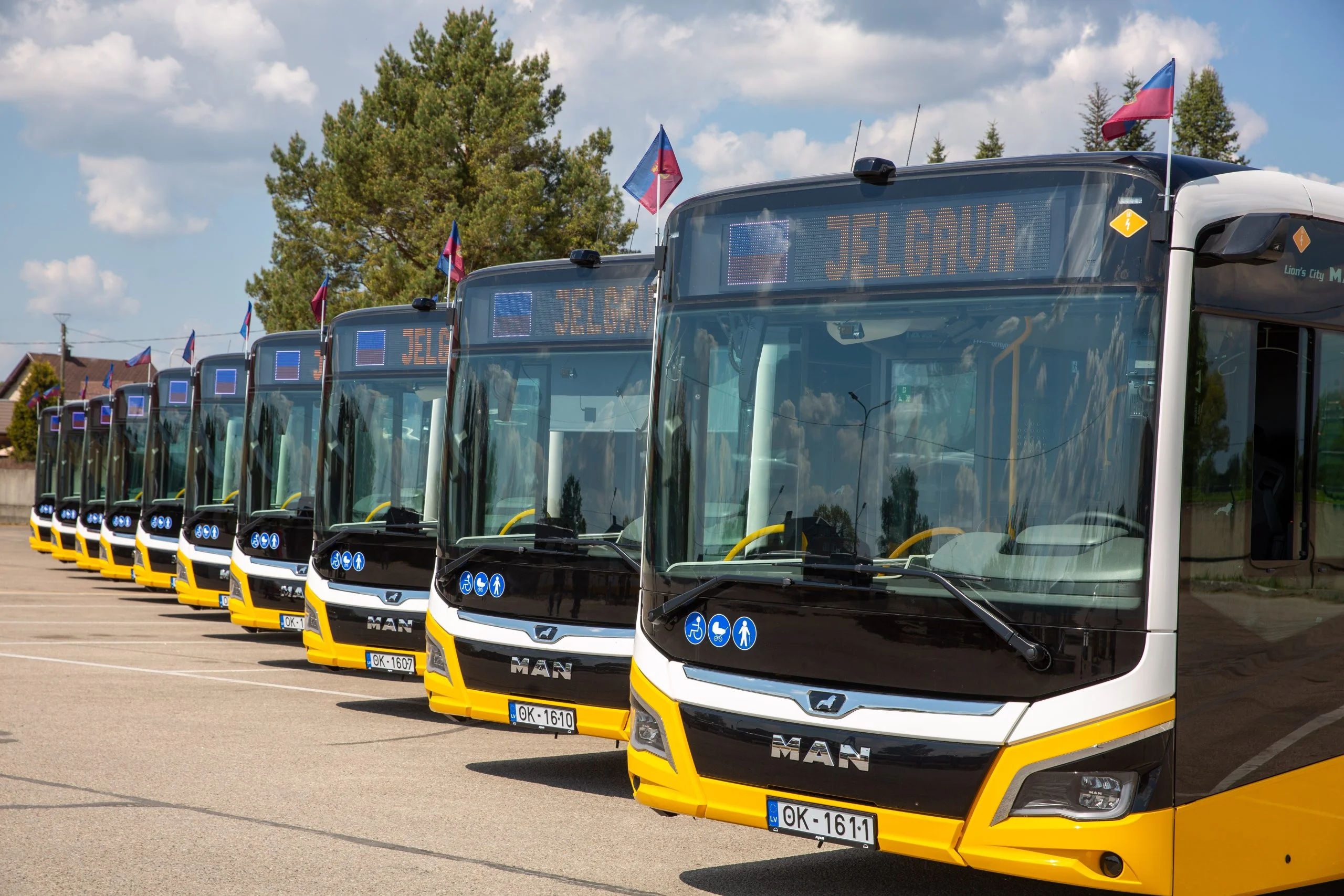
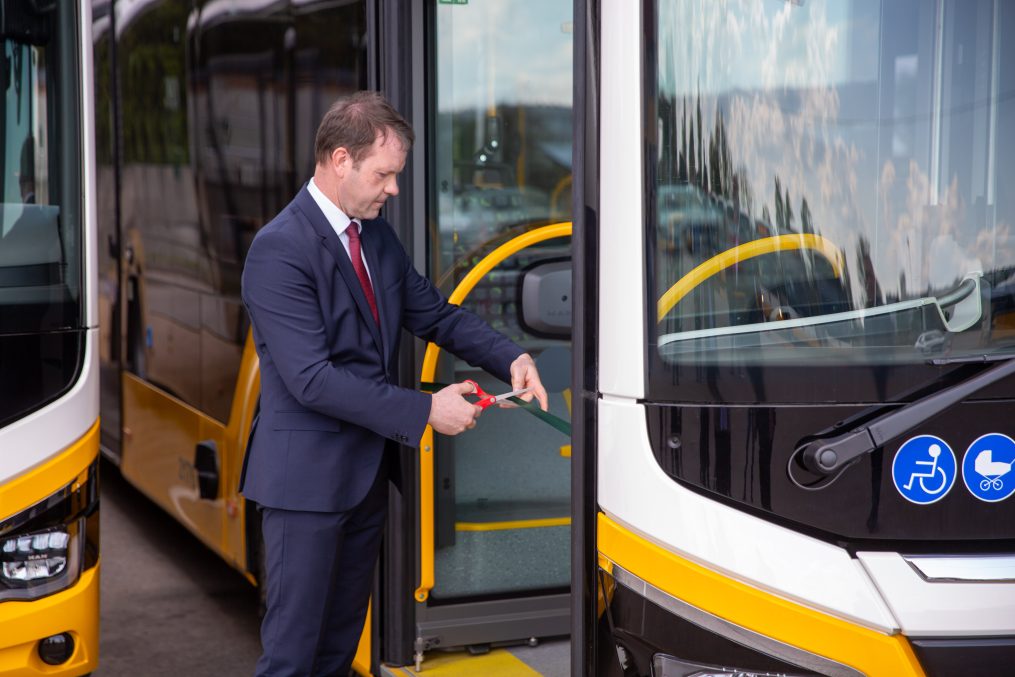
The city of Jelgava has taken a significant step in its public transport modernisation strategy with the introduction of 10 new diesel-hybrid buses. Operated by SIA “Jelgavas autobusu parks” (JAP), these vehicles are scheduled to begin phased service on city routes starting 16 May, replacing aging units that have reached the end of their operational lifespan.
This fleet renewal is part of a broader effort to align with the European Parliament and Council directives regarding the deployment of zero-emission vehicles. While the ultimate goal is a fully green fleet, the current acquisition of hybrid technology represents a pragmatic bridge during a period where full zero-emission funding remains complex to secure.
Replacing Million-Kilometre Veterans
The necessity for this investment stems from the critical condition of the existing fleet. According to Gints Burks, a board member of JAP, the oldest buses currently serving the city’s residents are 16 years old. These vehicles have typically clocked over one million kilometres, a milestone that presents increasing challenges for maintenance, reliability, and passenger safety.
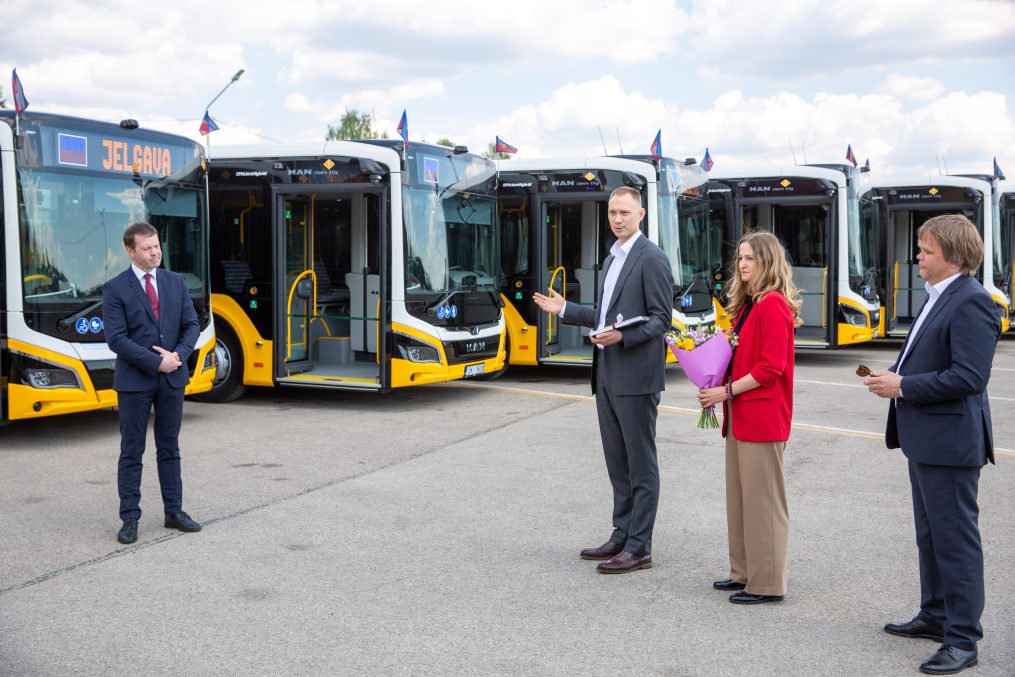
By introducing the new MAN-manufactured hybrids, the city aims to improve the quality of the daily commute while reducing the frequency of mechanical failures that plague older diesel engines. The procurement was handled by SIA “Avar Auto,” the official representative of MAN Truck & Bus SE in Latvia. Each unit represents a capital investment of €290,320 excluding VAT.
| Feature | Specification |
|---|---|
| Number of New Units | 10 |
| Vehicle Category | M3 Class I |
| Propulsion System | Diesel-Hybrid |
| Manufacturer | MAN Truck & Bus SE |
| Individual Cost | €290,320 (excl. VAT) |
| Service Commencement | 16 May (Phased) |
A Pragmatic Approach to Green Energy
Jelgava’s transition to sustainable transport is already well underway, though it faces the same financial hurdles seen in many mid-sized European cities. Currently, approximately 12% of the city’s passenger transport is handled by fully electric buses. However, the transition to a 100% zero-emission fleet is a capital-intensive process that often requires external subsidies.
JAP officials explained that while the long-term plan focuses on zero-emission vehicles, the current lack of available EU funding for such specific purchases led to the decision to acquire diesel-hybrids. These hybrids offer a significant reduction in fuel consumption and emissions compared to the 16-year-old diesel veterans they are replacing, providing an immediate environmental benefit while the city prepares for the next stage of electrification.
Testing the Future with Hydrogen
Beyond the immediate hybrid rollout, Jelgava is positioning itself as a testbed for cutting-edge transport technology. Through the “H2Value” project, the city is continuing to test a hydrogen-powered bus manufactured by Toyota Caetano. This trial, which will run until the end of the year, aims to evaluate the viability of hydrogen fuel cell technology in a Baltic climate and urban setting.
The data gathered from the Toyota Caetano trials will likely inform future procurement cycles. Hydrogen is seen as a potential solution for longer routes or heavier loads where battery-electric buses might face range limitations. By balancing immediate hybrid upgrades with long-term hydrogen research, Jelgava is attempting to future-proof its infrastructure against evolving environmental regulations and fluctuating energy costs.
For the residents of Jelgava, the immediate impact will be felt in the comfort and safety of their daily travels. The new MAN buses offer modern amenities and improved accessibility, marking a clear departure from the high-mileage vehicles that have served the city since the late 2000s. As these 10 units enter service, the city continues to monitor the European funding landscape for the next phase of its zero-emission transition.