From Denmark to Jelgava: Dinex Latvia’s New Logistics Hub Drives €14 Million Revenue Surge
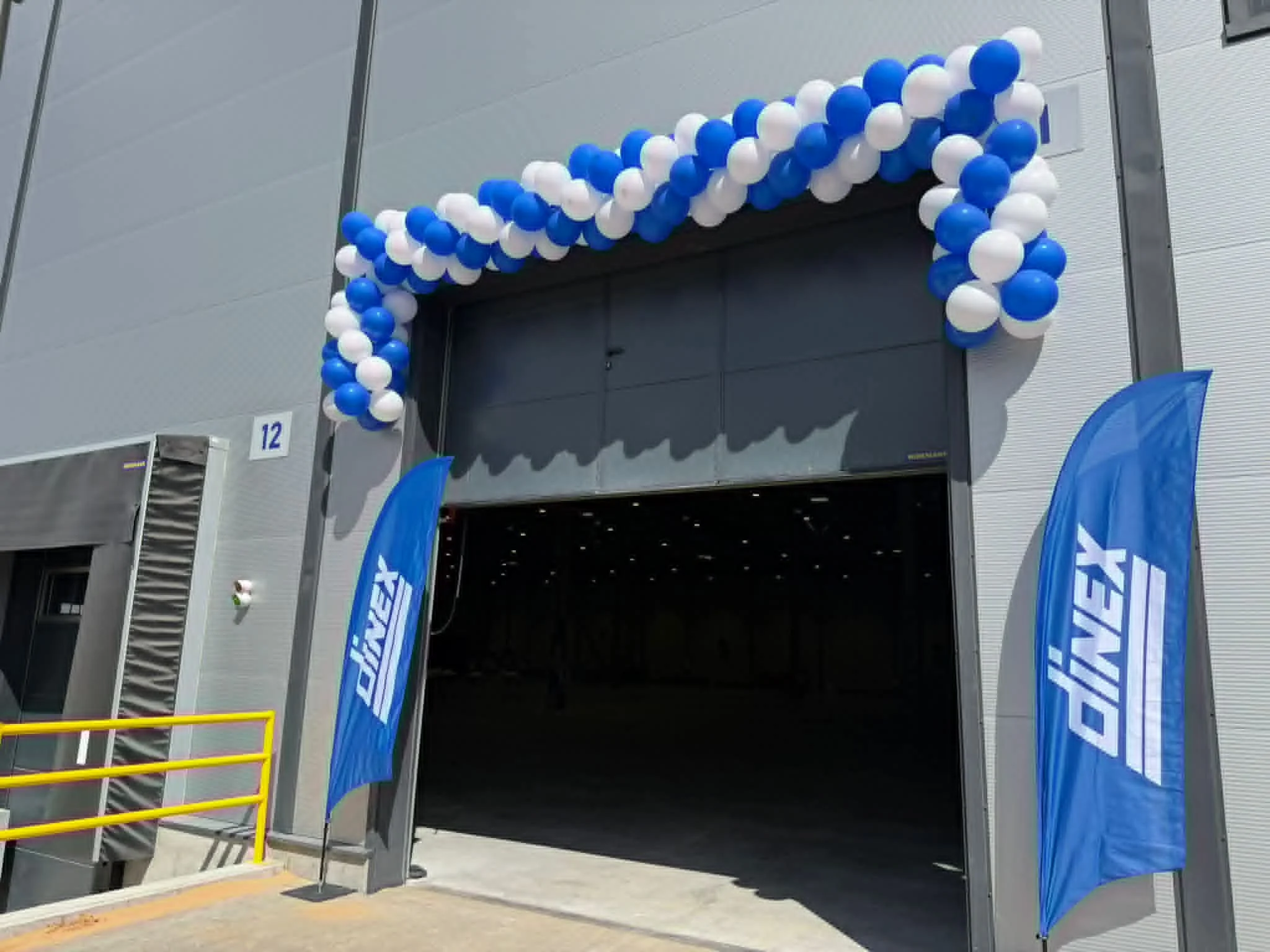
The landscape of European industrial logistics is shifting eastward, and the latest expansion by Dinex Latvia serves as a definitive case study in this transition. By relocating its central spare parts operations from Denmark to Jelgava, the company is not merely moving boxes; it is fundamentally restructuring its supply chain to sit adjacent to its primary manufacturing base. This strategic pivot has already yielded a €6 million increase in turnover for 2025, with an additional €8 million projected for 2026.
The Strategic Shift from Denmark to the Baltics
The decision by the Dinex Group to move its central warehouse from Denmark to Latvia—and to transition parts of its OEM (Original Equipment Manufacturer) central warehouse from Germany—marks a significant vote of confidence in the Baltic industrial corridor. By consolidating logistics within a few kilometres of their production facility in Raubēni, Jelgava municipality, the company has effectively eliminated the inefficiencies of cross-border transit for intermediate goods.
This move does more than just pad the balance sheet. It addresses the modern industrial necessity for agility. In an era of fluctuating fuel prices and tightening environmental regulations, reducing the physical distance between production and distribution is a primary lever for maintaining competitiveness. The relocation allows for a more responsive customer service model and a drastic reduction in the carbon footprint associated with heavy goods transport.
Infrastructure and Capacity by the Numbers
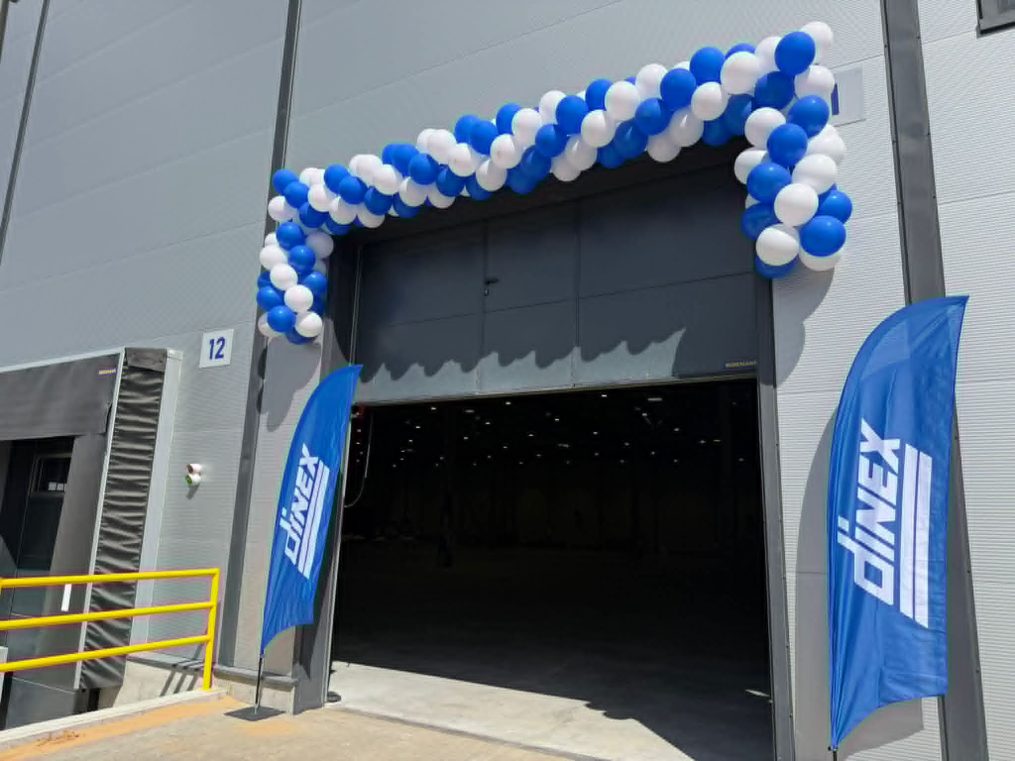
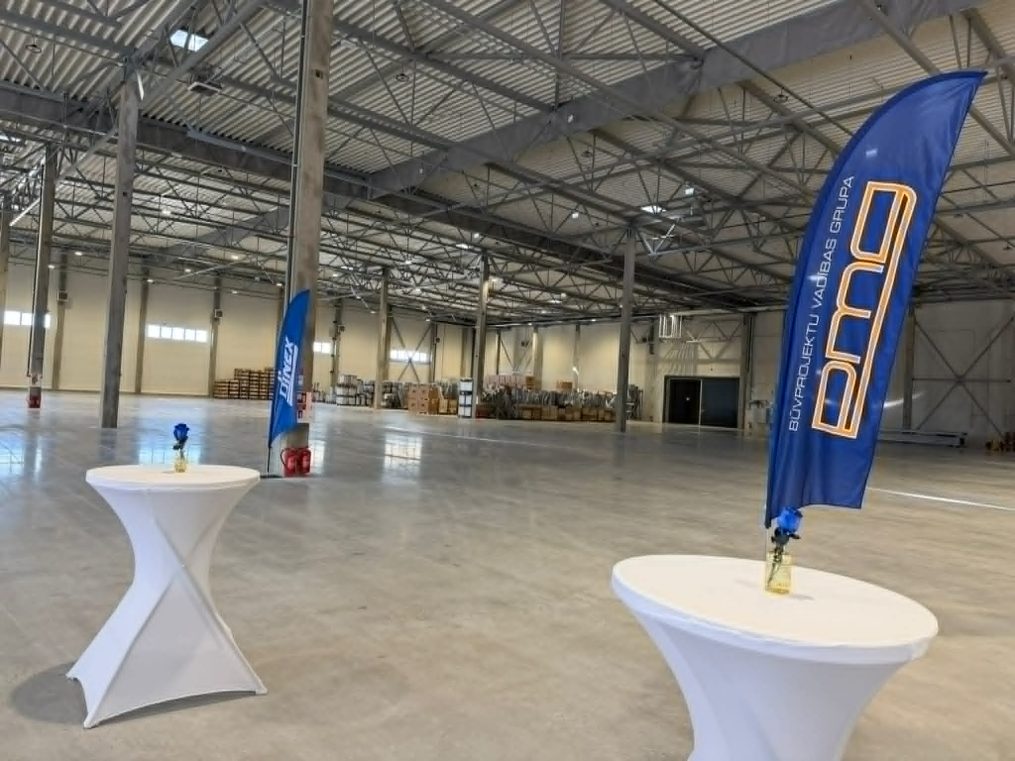
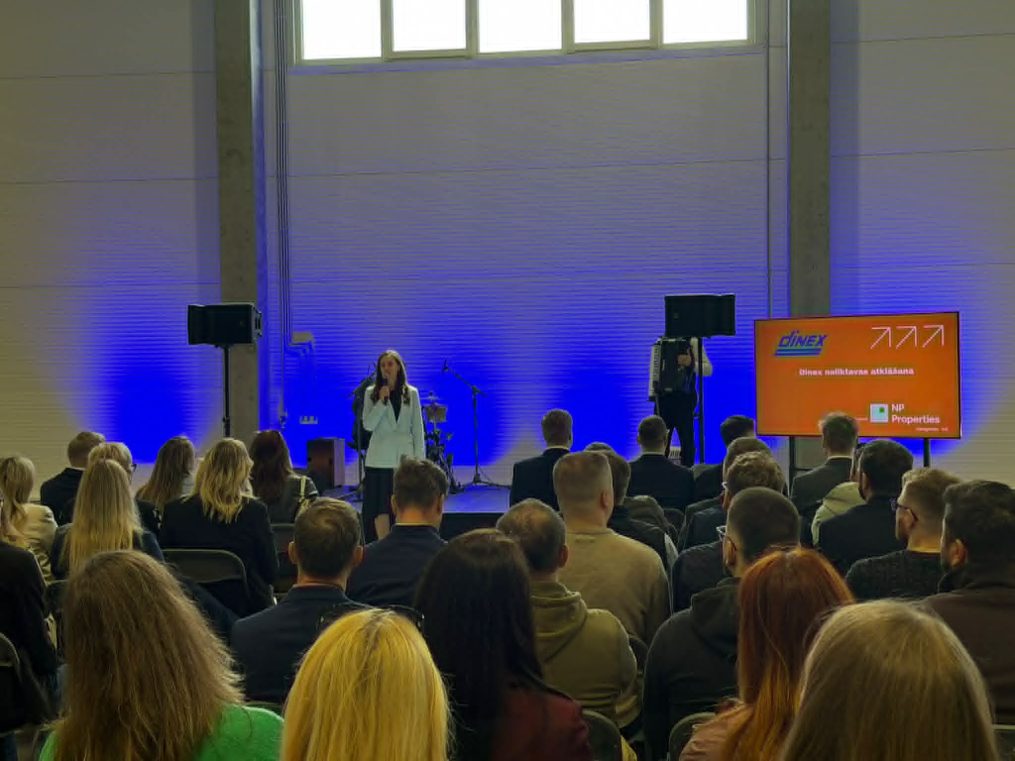
The new facility, situated within the NP Jelgavas Biznesa Parks on Aviācijas iela, represents a massive scaling of the company’s operational footprint. The following data highlights the technical specifications and economic impact of the new central warehouse:
| Operational Metric | Data Point |
|---|---|
| Total Warehouse Floor Space | 10,000 m² |
| Current Pallet Capacity | 7,400 units |
| Future Expansion Potential | 9,000 units |
| 2025 Turnover Growth | €6 Million |
| 2026 Projected Turnover Growth | €8 Million |
| Export Percentage of Total Sales | 99% |
While these figures suggest a robust upward trend, it is important to note that such growth is heavily dependent on the continued demand for emission control systems in global markets. The facility currently serves as a critical node for exports reaching as far as Brazil, East Asia, and Australia.
Local Economic Impact and Global Standards
For the city of Jelgava, the expansion of Dinex Latvia reinforces its reputation as a manufacturing powerhouse within the region. The partnership with Nordic Partners to develop the 10,000 m² site was executed on an accelerated timeline, reflecting the high demand for specialized industrial space. Beyond the immediate construction and logistics jobs, the facility acts as a customer service hub, integrating high-level administrative functions with traditional warehousing.
From a technical perspective, the products flowing through this hub are at the forefront of environmental compliance. Dinex specializes in exhaust and emission control systems that meet the rigorous Euro 6 and Euro 7 standards. As global regulations on heavy vehicles and industrial machinery tighten, the demand for these sophisticated catalytic converters and ceramic soot filters is expected to remain high.
Future Outlook and Sustainability
The integration of the warehouse and production site is a clear move toward a circular or at least more efficient industrial model. By reducing the reliance on long-haul logistics between Denmark, Germany, and Latvia, Dinex is hedging against future increases in transport costs and carbon taxes.
However, the company’s heavy reliance on exports—sitting at 99%—means that while the local impact in Jelgava is profound, the business remains sensitive to global trade dynamics and maritime shipping stability. For now, the move to Jelgava stands as a successful example of how localized logistics can drive multi-million euro growth while simultaneously meeting modern sustainability targets.
Source: Jelgavas valstspilsētas pašvaldība