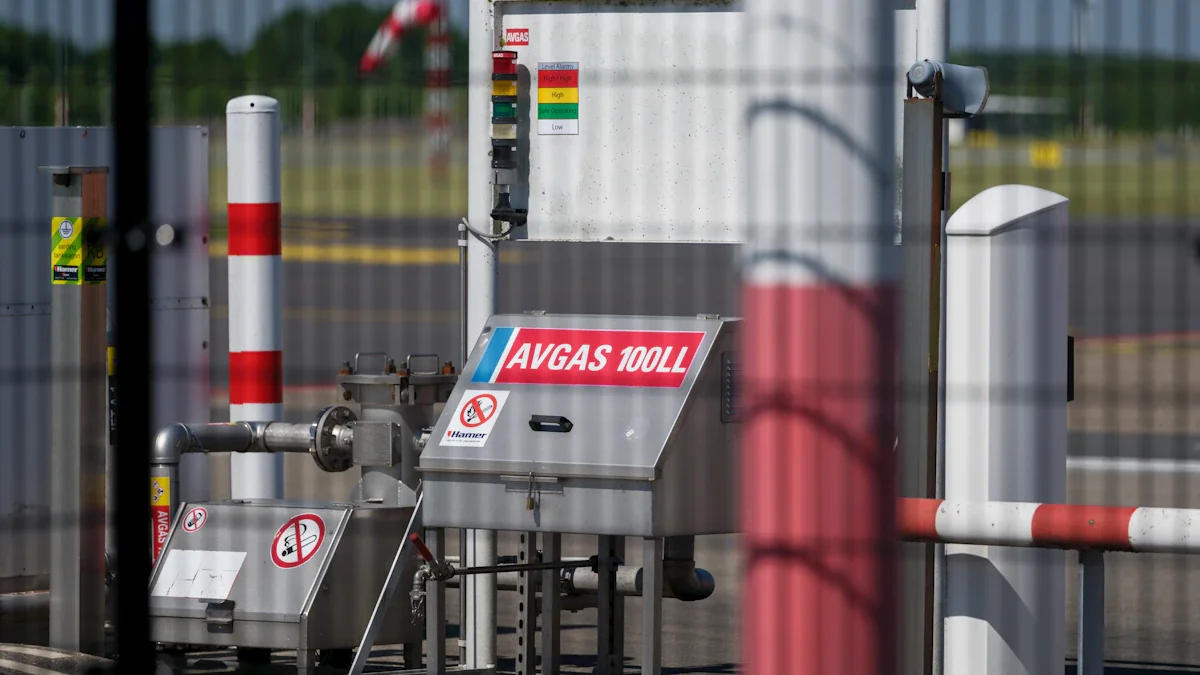
Reports about a possible fuel shortage affecting Glasgow and Edinburgh airports matter because they sit at the point where public services, aviation logistics and passenger confidence meet. For UK readers, the most useful question is not whether every reported detail is final, but which parts are firmly established, which parts still need an official operational update, and what public page or statement would change the picture next.
What changes for readers now
- Glasgow and Edinburgh airports are the named focus of the reported fuel-supply issue.
- Trusted publishers including the BBC, The Telegraph and The Independent have carried relevant coverage.
- The exact operational effect should not be treated as settled without official confirmation.
- The next meaningful change would be an airport, airline or public-service update.
- Readers should separate reported disruption from verified public-service status.
Why the Glasgow and Edinburgh airport fuel story matters
Airport fuel supply is usually invisible to passengers. It becomes a public-interest issue only when it may affect flight operations, airline decisions, airport planning or confidence in a regional transport network. Glasgow and Edinburgh are not minor local nodes: they are major Scottish airports used by domestic, European and long-haul travellers.
For wider context, our related report on Met Office warnings tomorrow is also useful.
That is why reports of a fuel shortage around the two airports deserve careful handling. They are not just an aviation industry story. They touch holiday travel, business journeys, school trips, public-sector mobility, connecting flights and the wider reliability of transport links across Scotland and the rest of the UK.
The key point is proportionality. A reported fuel-supply pressure does not automatically mean every passenger is affected, every airline is changing plans, or every future departure is at risk. Those are operational claims that need direct confirmation from airports, airlines or another official public service source.
At the same time, the story should not be brushed aside as routine logistics. Fuel availability is a hard operational dependency. If supply constraints are confirmed by the relevant operators, the implications can move quickly from back-office planning into passenger-facing decisions.
What trusted coverage adds so far
The BBC, The Telegraph and The Independent have all been named in connection with coverage of the Glasgow and Edinburgh airport fuel-shortage issue. That matters because it gives the story a credible public-news context rather than leaving readers to rely on social posts, airport rumours or unofficial flight trackers.
The Telegraph’s coverage is especially notable because its headline points to the aviation consequence readers are most likely to worry about: whether flights have been diverted. That does not mean readers should assume a blanket airport status from a headline alone, but it does show why the issue has moved beyond a narrow supply-chain discussion.
The Independent has also carried a bulletin-style item on a jet-fuel shortage involving Glasgow and Edinburgh airports. BBC coverage gives broader public-service context, including previous reporting on airport and travel disruption pressures in Scotland and the UK.
The useful role of these publishers is to establish that the issue is being reported by recognised newsrooms. The next level of certainty still depends on the operators and official public-service channels that can confirm current airport status, airline decisions and any time-limited constraints.
What is confirmed and what still needs care
The confirmed reader-facing fact is narrow but important: trusted news coverage exists around a Glasgow and Edinburgh airport fuel-shortage story. That makes it reasonable for readers to pay attention, especially if they have plans involving either airport.
What should still be treated carefully is the size, duration and current operational effect of the issue. A fuel-supply problem can be serious without being uniform. It may affect one airline differently from another, one time of day differently from another, or certain operational choices rather than the whole airport.
Confirmed public-interest points
The named locations are Glasgow and Edinburgh airports. The service area is public services because the issue concerns access to and reliability of transport infrastructure. The topic is being covered by trusted UK-facing news publishers.
Those points are enough to justify a cautious public-interest update. They are not enough to support broad claims about an active airport-wide warning, a fixed disruption window, specific passenger instructions or guaranteed effects on future flights.
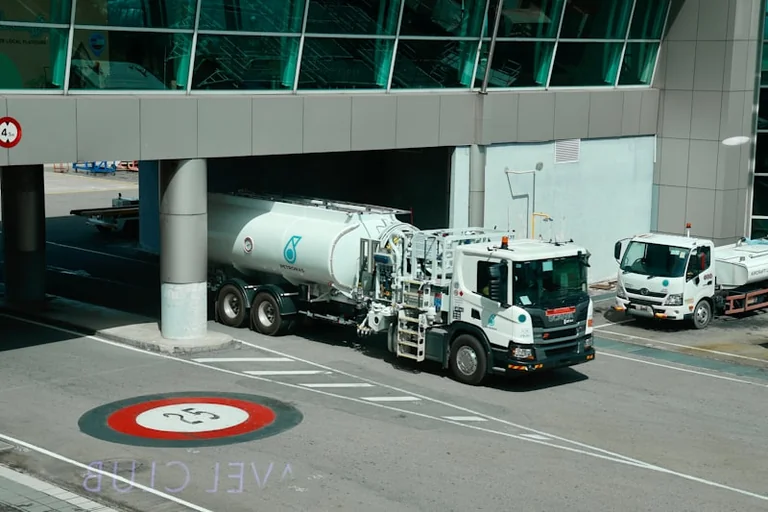
Claims that need official backing
Any statement about active disruption, route changes, cancellations, diversions, deadlines or passenger obligations should come from an airport, airline, regulator or other official public-service source. Unofficial trackers can be useful for noticing patterns, but they should not be used as the factual base for public guidance.
That distinction is important because aviation stories can change hour by hour. A shortage reported on one day may be mitigated by contingency supply, airline planning, tanker scheduling or operational restrictions before it reaches the same level of effect for every traveller.
The practical impact is uncertainty, not certainty
For readers, the immediate impact is informational. The story creates a reason to pay closer attention to airport and airline updates, but it does not by itself prove a universal travel outcome. That is the difference between a report worth watching and a verified instruction.
Public-service stories often create frustration because the most important information is also the slowest to confirm. Readers want a clear answer: is the airport operating normally, are flights affected, and when will the issue end? Those answers require current operational statements, not inference from general coverage.
The uncertainty also matters for people who are not travelling. A fuel-supply issue at major Scottish airports can raise wider questions about infrastructure resilience, supplier arrangements, airline contingency planning and how much redundancy exists in aviation fuel logistics.
Those questions are legitimate, but they should be separated from immediate status claims. A strong analysis can say the story exposes a dependency in regional transport infrastructure. It should not turn that into unsupported certainty about what will happen to any particular flight.
Why official wording is the next milestone
The next important development would be clear wording from an official public service source, airport operator or airline. That could include whether the fuel issue is continuing, whether operations are affected, whether any mitigation is in place, and whether the situation has been resolved.
For a story like this, the most valuable update would answer four public questions in plain language:
- Whether the shortage is still affecting airport operations.
- Whether the effect differs between Glasgow and Edinburgh.
- Whether airline decisions are isolated or widespread.
- Whether a resolution has been confirmed by the relevant operator.
Those answers would change the story because they would move it from reported concern into operational clarity. Until then, the safest editorial position is to describe the issue as a reported public-service concern with trusted coverage, while avoiding claims that only official operators can verify.
How to read future updates without overreacting
The wording of future statements will matter. Phrases such as “normal operations,” “limited impact,” “resolved,” “ongoing supply issue” or “airline-specific disruption” would each point to a different level of reader consequence. A broad phrase can calm concern, but only if it clearly applies to the named airport and current date.
Readers should also notice who is speaking. An airport statement can describe airport operations. An airline statement can describe that carrier’s services. A supplier statement can explain fuel logistics. A government or regulator statement can frame wider public-service implications. None of those sources automatically speaks for all the others.
This is why the next public update matters more than speculation. If Glasgow Airport, Edinburgh Airport, an affected airline or a public authority issues a dated statement confirming the operational position, that would be the clearest point at which the story materially changes.
Source: bbc.com
Context & actions About this article
Source check Source context
This article treats the airport fuel issue as a reported public-service story and avoids operational claims that need direct official confirmation.
- BBC coverage linked to the Glasgow and Edinburgh airport fuel issue
- Telegraph reporting on fuel shortages and possible flight consequences
- Independent bulletin coverage of the jet-fuel shortage story
- Source
- BBC
- Scope
- Scotland
- Updated
- 2026-06-02 06:24
Source check
Report a trust issue
Send a clear signal to community moderation if the source, facts or context need review.
Article contextPeople & topics#6
What do you think about this article?
Reader Ideas Newsroom
Have a sharper angle for this topic? Add it to the community idea board and let readers vote it up for editorial review.




/linkComments
8+ useful words can earn +10-60 DP; shorter replies can still publish without DP.