How Haringey election results are decided at Alexandra Palace
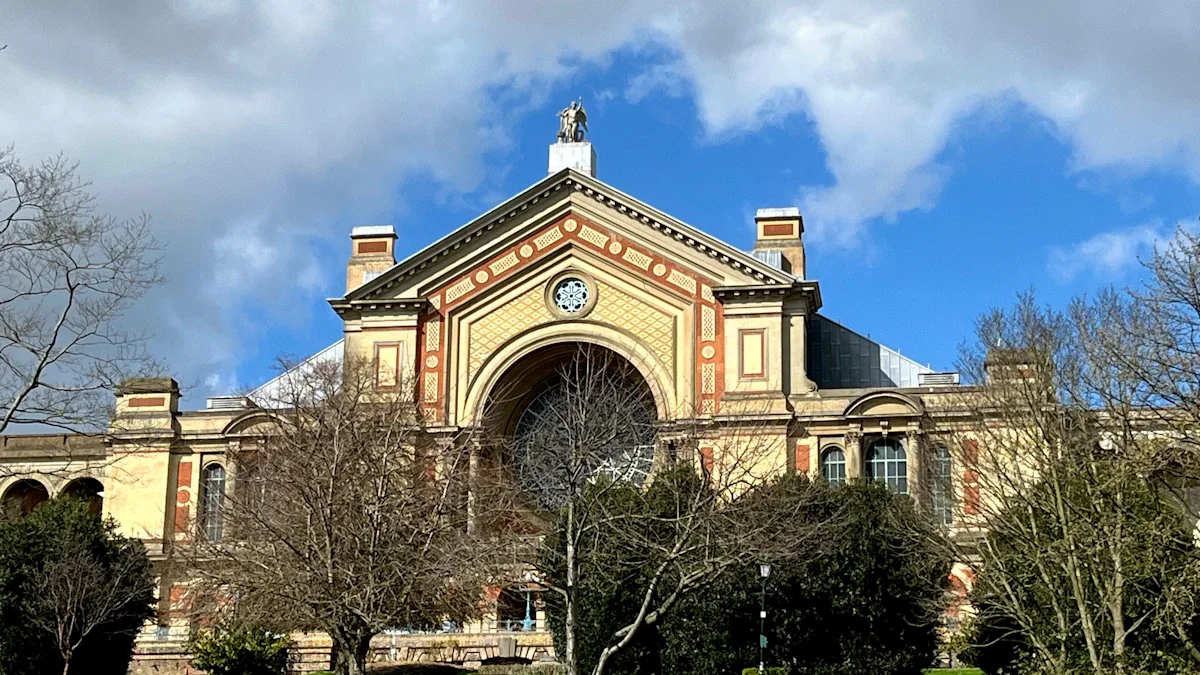
On Friday, 8 May, the political landscape of the borough will be reshaped as the counting process for the 2026 Haringey Council elections begins. Following the period where Haringey residents prepared to cast ballots for 57 local seats, officials will gather at Alexandra Palace to determine the representatives for 21 wards. These elected councillors will hold the mandate to manage council services and budgets for the next four years.
Verification begins at Alexandra Palace
The process is divided into two distinct phases, starting with the verification of ballots at 9:30am. Before any votes are assigned to candidates, the total number of papers in each box must be confirmed. This stage ensures the integrity of the democratic process by matching the physical papers against the records kept by Presiding Officers at polling stations.
During the night, staff cross-check the number of unused ballot papers against the official ballot paper accounts. Once the boxes are opened at Alexandra Palace, the papers are counted to ensure the figures align with the recorded spreadsheets. Only after this verification is complete can the official turnout figures for each ward be published.
| Election Stage | Detail and Timing |
|---|---|
| Counting Venue | Alexandra Palace |
| Verification Start | 9:30am, Friday 8 May |
| Total Seats | 57 Councillors |
| Geographic Scope | 21 Wards |
Sorting block and split votes
Once verification is finalized, the actual count commences. Staff sort the ballots into two primary categories to streamline the tallying of the 57 available seats.
Block Votes occur when a voter uses all their available votes for candidates of the same party, provided that party has fielded a full slate of candidates for that ward. These are processed rapidly.

Split Votes involve more complex tallying. These occur when a resident votes for candidates from different parties or uses fewer votes than they are entitled to. To manage these, staff use a system known as a “grass skirt,” where split votes are attached to a large sheet of paper. Once 20 votes are collected on a single sheet, the totals are tallied.
Any “doubtful” ballots—where the voter’s intent is unclear—undergo a formal adjudication process. The Returning Officer examines these specifically to decide if the vote can be legally counted.
Declaring the final ward results
The timeline for results varies by ward, as each contest is handled independently. Before any public announcement, the Returning Officer consults with the election agents representing the candidates to review the final totals and address any potential challenges.
Once the figures are agreed upon, the results are formally declared. Residents can track the progress through the council’s digital channels, with ward-by-ward updates expected throughout the afternoon and evening. The final composition of the council will dictate the borough’s policy direction through 2030.
Source: Haringey Council