Lithuania Moves to Legalize Trams in Major Urban Transit Overhaul
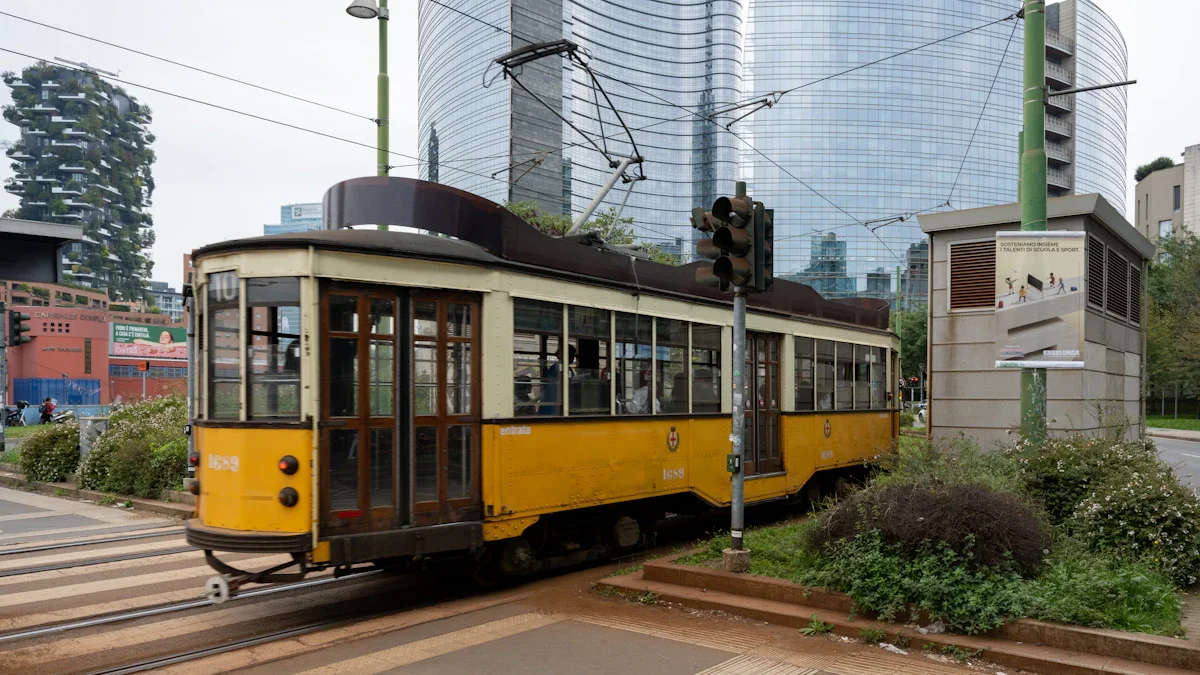
The Lithuanian Parliament (Seimas) has taken a significant step toward modernizing the nation’s urban infrastructure by giving preliminary approval to a draft amendment of the Road Transport Code. This legislative move, which officially recognizes the tram as a legitimate and equal form of passenger transport, marks the first formal step in a long-anticipated shift toward light rail systems in the country’s major cities.
The proposal, spearheaded by Simonas Kairys, Deputy Chair of the Liberal Movement, aims to provide the legal foundation necessary for municipalities to plan, fund, and implement tram networks. While Lithuania has historically relied on extensive bus and trolleybus networks, the lack of a legal definition for trams has long been a bureaucratic hurdle for urban planners seeking to diversify public transport options.
A Legislative Foundation for Urban Growth
According to the proposed amendments, a tram is defined as a “city rail vehicle, usually located at street level, operating according to road traffic rules, and adapted for the carriage of passengers and, in rare cases, freight.” This definition is crucial because it moves the tram out of the realm of theoretical urban planning and into the practical framework of national transport policy.
Simonas Kairys emphasized that this change is not merely about adding a new vehicle to the streets but about enabling a comprehensive transformation of public transport systems. By establishing this formal basis, the Seimas is signaling to the Ministries of Transport, Environment, Interior, and Finance that they must begin coordinating on the financial and logistical frameworks required for future implementation.
| Feature | Proposed Legal and Practical Framework |
|---|---|
| Legal Status | Recognized as an equal passenger transport vehicle |
| Primary Target | Major metropolitan areas, specifically Kaunas |
| Regulatory Scope | Operates under standard road traffic rules at street level |
| Key Stakeholders | Ministries of Transport, Environment, Interior, and Finance |
The Nordic Benchmark: Lessons from Tampere
In advocating for the change, proponents pointed to the success of the tram system in Tampere, Finland, which launched in the summer of 2021. Despite initial skepticism from local residents, the Tampere project has become a cornerstone of the city’s identity and economic strategy.
Data from the Finnish project suggests that the introduction of a tram line does more than just move people; it acts as a catalyst for real estate development and climate goals. In Tampere, public transport trips increased from 41 million to 56 million annually following the tram’s introduction. Furthermore, public approval ratings for the system now exceed 90%, with significant private investment flowing into residential and commercial projects situated along the rail corridors.

Kaunas as the Potential Pioneer
While the legislation applies nationally, the city of Kaunas has emerged as the most likely candidate for Lithuania’s first modern tramway. The city’s layout and current transit demands make it a prime location for a system that can bridge the gap between standard bus services and more heavy-duty rail options.
For Kaunas, the introduction of a tram would represent a shift toward “green mobility,” aligning with broader European Union goals to reduce urban carbon footprints. The legislative change allows the city to move beyond feasibility studies and begin the process of securing the substantial investments required for track laying and fleet acquisition.
Next Steps in the Legislative Process
Following this initial approval after the first reading (pateikimas), the draft will undergo further scrutiny in parliamentary committees. The transition from a legal definition to actual tracks on the ground will require a multi-year commitment.
The next phase involves the relevant ministries creating the technical standards for tram infrastructure and determining how these projects will be integrated into the national budget and EU structural fund applications. For residents of Kaunas and other major cities, this vote is the first indication that the “tram idea” is moving from a political vision to a regulated reality.
Source: ELTA


