Lithuania Proposes National Single-Ticket System for 2028
Lithuania is moving toward a total overhaul of its public transport infrastructure, with the Ministry of Transport recently submitting a legislative package to the Seimas (Parliament) to establish a national “joint ticket” system. If approved, the new framework would allow commuters to plan and pay for multi-modal journeys—ranging from trains and buses to ferries and ride-sharing services—through a single digital platform by 2028.
The proposal represents the first time the concept of a “joint ticket” has been formally introduced into Lithuanian law. By creating a unified legal basis, the government aims to solve the fragmentation that often plagues regional travel, where passengers are forced to navigate multiple apps, ticketing rules, and payment systems to cross the country or reach rural destinations.
A Unified Vision for National Mobility
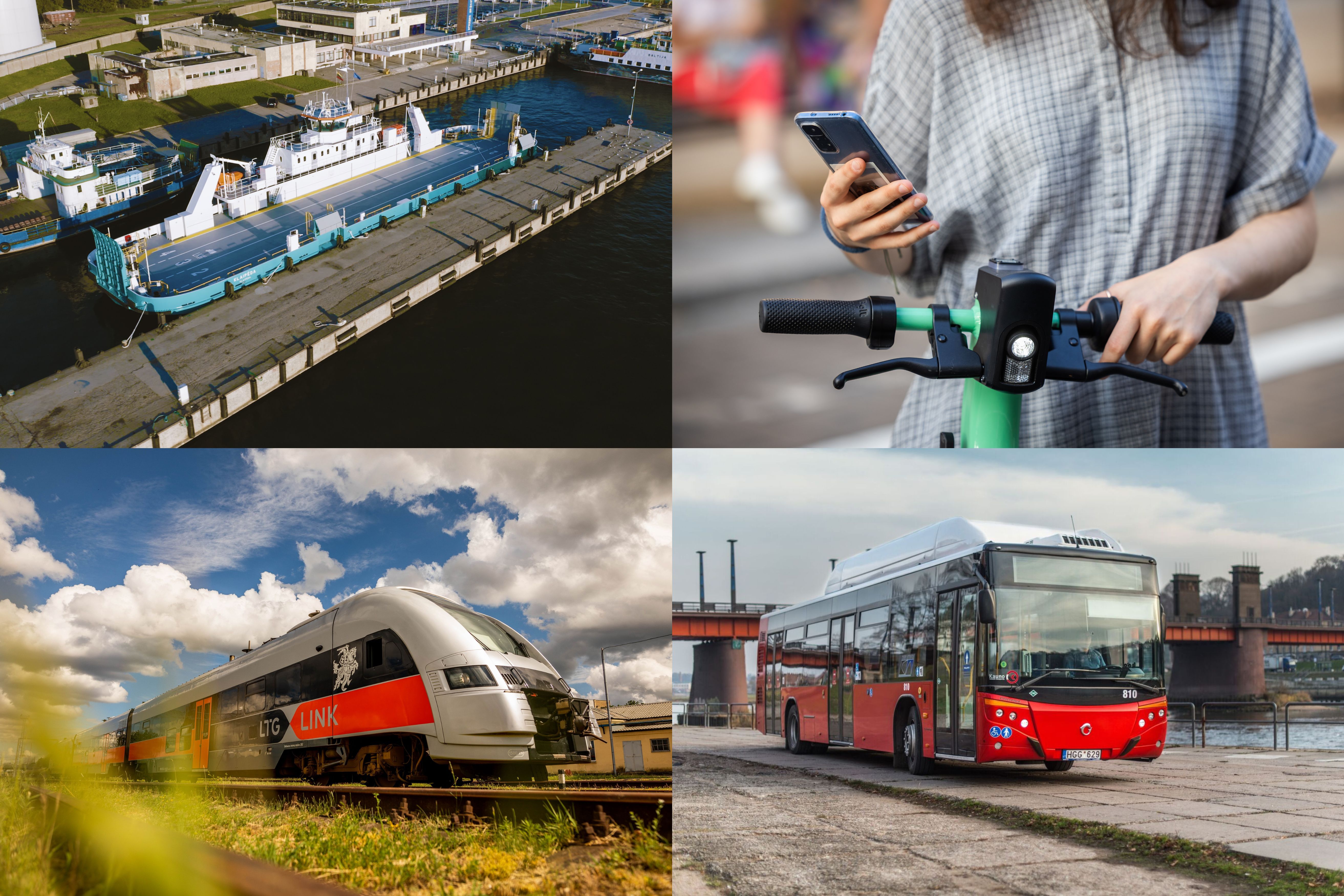
The central ambition of the project is to connect Lithuania’s cities and regions into a seamless transit network. Transport Minister Juras Taminskas emphasized that the system is designed to accommodate the modern traveler’s need for flexibility. Under the proposed plan, a passenger could start a journey on a national rail line, transition to an intercity bus, and complete the “last mile” of their trip using a shared electric scooter or a ride-hailing service—all managed via one transaction.
“People will be able to plan their entire trip at once and use a joint ticket across different modes of transport,” Taminskas stated. “This will help connect cities and regions into one convenient communication system. It ensures that once a person leaves a train, they can continue by bus and reach their final destination by scooter without the friction of multiple payments.”
This move aligns Lithuania with a broader European trend toward “Mobility as a Service” (MaaS), an urban planning philosophy that treats transport as an integrated utility rather than a series of disconnected private and public providers.
Bridging the Last Mile Gap
A significant hurdle in public transport adoption is the “last mile” problem—the difficulty of getting from a transport hub to one’s front door. The Lithuanian proposal specifically addresses this by mandating that the new system include not only traditional transport like trains and ferries but also rapidly growing sharing economies.
To make this a reality, the legislation would require transport operators and passenger service organizers to share their real-time data. This data-sharing mandate is critical, as it allows the central platform to provide accurate journey planning and ensure that private ride-sharing companies are integrated into the national grid. For the consumer, this means the platform will act as a live navigator that understands the availability of vehicles across various private and public fleets.

Integration Without Displacement
One of the key concerns for existing municipal transport authorities is whether a national system would override local successes. Currently, cities like Vilnius and Kaunas operate their own digital ticketing solutions. The Ministry of Transport has clarified that the national joint ticket is not intended to compete with or replace these regional systems.
Instead, the national platform will serve as a “connecting link.” Local systems will continue to serve their primary urban populations, while the national system will handle the complexities of inter-municipal travel and multi-modal transfers that the current local apps are not equipped to manage.
Following parliamentary approval, the Ministry of Transport plans to initiate an international procurement process to develop the sophisticated information system required to manage this level of integration. The government has set a target of 2028 to have the system fully operational, marking it as a cornerstone of the current administration’s long-term infrastructure program.
Source: ELTA