Lithuanian Lawmakers Propose Referendum on Family Definition
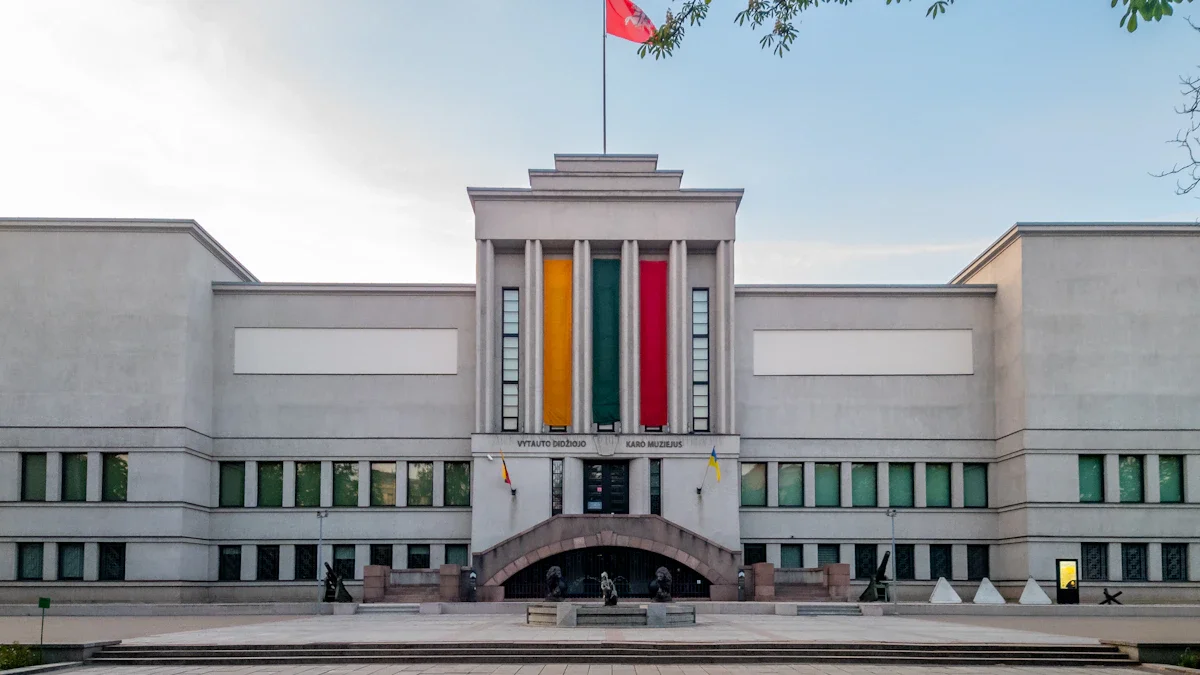
Lithuanian lawmakers are initiating a high-stakes debate over the definition of “family” within the nation’s Constitution, marking a significant escalation in the ongoing friction between the legislative branch and the judiciary. The move follows a controversial ruling by the Constitutional Court, which critics argue has overstepped its bounds by dictating social policy to the Seimas (Parliament).
A roundtable discussion, titled “Referendum on the Concept of Family in the Constitution: Will We Let the Nation Have Its Say?”, is scheduled for May 18 at the Seimas Press Conference Hall. Organized by a group of MPs including Vytautas Sinica, Aušrinė Norkienė, and Audronius Ažubalis, the event aims to address what they describe as an increasingly untenable legal situation regarding the definition of partnership and family units.
The Conflict Between Court and Parliament
The current tension traces back to a landmark ruling by the Constitutional Court on April 17, 2025. In that decision, the Court provided specific instructions to the Seimas on how it must resolve legal questions surrounding family and civil partnerships. For many conservative members of the legislature, this was viewed as a judicial encroachment on the functions of the elected parliament.
MP Vytautas Sinica, a leading voice in the initiative, argues that the Court has essentially assumed the role of a legislator. By prescribing specific outcomes for family-related laws, the judiciary is seen by some as bypassing the democratic process. The proposed solution is to return the power of definition to the “Sovereign”—the citizens of Lithuania—through an advisory referendum.

This debate mirrors similar constitutional struggles across Europe, where national courts and international human rights frameworks often clash with traditional domestic legislation. In Lithuania, the question of whether the definition of family should be strictly tied to marriage between a man and a woman, or expanded to include diverse partnership forms, has remained a point of societal friction for over a decade.
Sovereignty and International Obligations
The upcoming discussion in Vilnius will grapple with four primary questions that highlight the complexity of the issue. First, lawmakers seek to determine how to navigate the “whirlpool” of international interests and party politics when drafting family law. Lithuania, as a member of the European Union and a signatory to various international treaties, faces pressure to align its domestic laws with broader European standards on civil rights.
Secondly, the roundtable will examine the legal distinctions between advisory and mandatory referendums. While an advisory referendum does not automatically change the law, a strong public mandate would create significant political pressure on the Seimas to adopt a specific constitutional amendment. Proponents argue that ignoring the public’s right to speak on fundamental constitutional norms undermines the democratic foundations of the Republic.

Societal Impact and the Path Forward
The push for a referendum comes at a time of heightened public anxiety. Opponents of the move argue that a public vote on minority rights or sensitive social definitions could deepen divisions within Lithuanian society. There are also concerns that a referendum might be used to circumvent the protections established by the Constitutional Court for non-traditional families.
However, the organizing MPs maintain that an open dialogue is the only way to resolve the “protracted dispute.” By bringing together legal experts, politicians, and stakeholders, the roundtable seeks to find a democratic path through the legal stalemate. The outcome of these discussions will likely determine whether the proposal for a national vote gains the necessary momentum to reach the ballot box by 2026.
As the Seimas prepares for this debate, the eyes of legal observers across the Baltic region will be on Vilnius. The resolution of this conflict will set a major precedent for how Lithuania balances judicial authority, legislative sovereignty, and the direct will of the people in the modern era.
Source: ELTA