Lithuania’s €88m Innovation Bet: Bridging Science and the Market

Lithuania is concluding the initial phase of its ambitious “Innovation Missions” project, a strategic €88.34 million initiative designed to pivot the national economy toward high-value-added sectors. Coordinated by the country’s Innovation Agency, the program marks a shift from traditional R&D grants to a mission-based model that requires direct collaboration between academic institutions and private enterprises.
Breaking Down the €88 Million Investment
The financial backbone of this initiative relies heavily on international support, specifically the European Union’s Recovery and Resilience Facility. The funding is structured to provide both the physical infrastructure and the intellectual capital necessary for long-term competitiveness.
| Funding Source | Amount (Millions) |
|---|---|
| EU Recovery and Resilience Fund | €76.69 |
| Lithuanian National Budget | €11.65 |
| Total Project Allocation | €88.34 |
While the headline figure is substantial, the true measure of the project lies in its projected market impact. By 2029, the newly established competence centers are expected to generate over €30 million in market value. This suggests that the state is not merely subsidizing research, but attempting to seed a self-sustaining ecosystem where scientific breakthroughs are systematically commercialized.

Three Pillars of National Progress
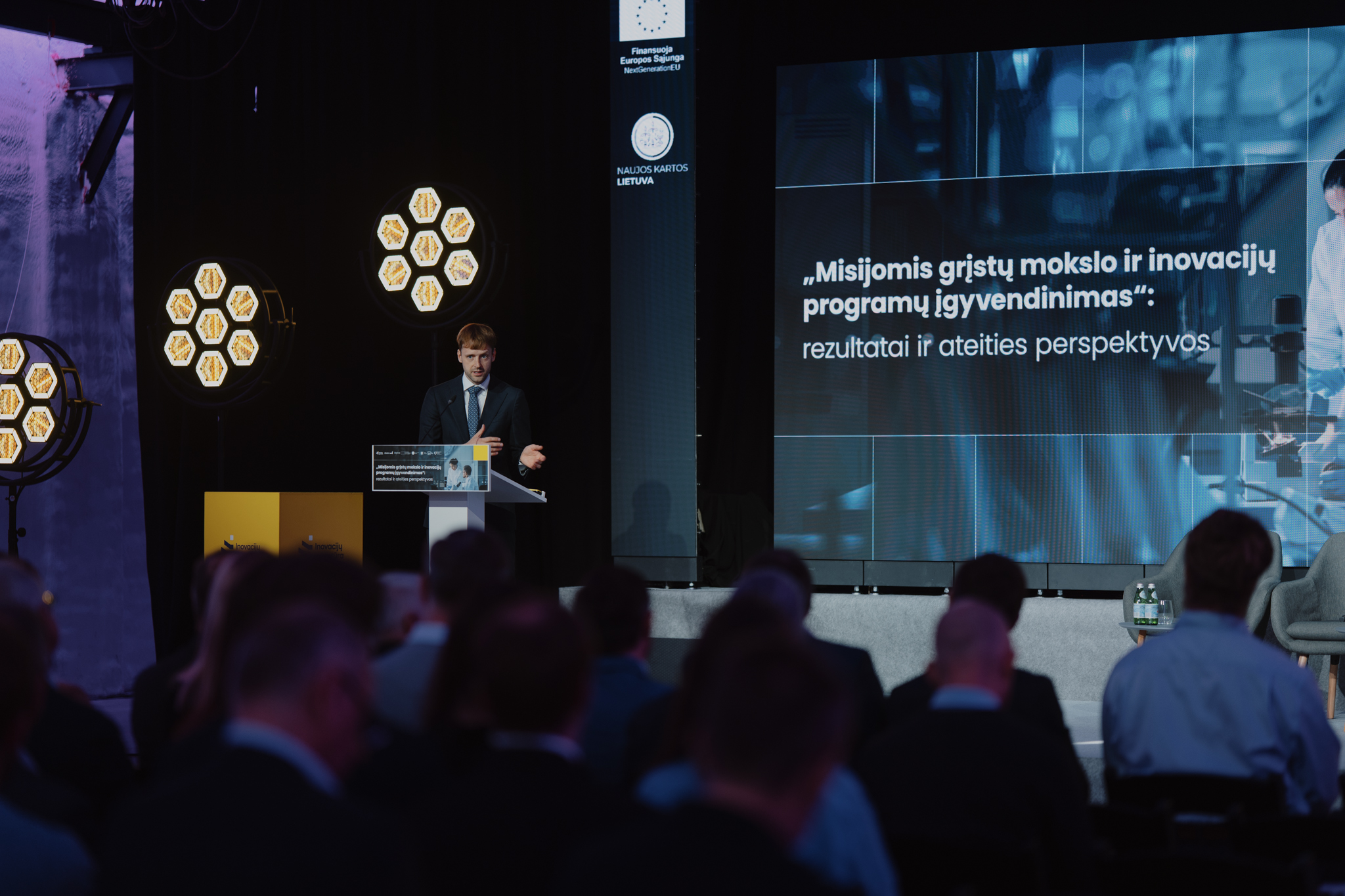
The project was divided into three distinct “missions,” each led by a consortium of the country’s top universities—Vilnius University, VILNIUS TECH, and Kauno Technologijos Universitetas (KTU).
- Health Innovations: Focused on early disease diagnosis and gene engineering. A new gene technology center aims to accelerate the availability of advanced treatments within the Baltic region.
- Smart and Climate-Neutral Lithuania: This mission targets the construction and manufacturing sectors, developing low-CO2 building materials and next-generation road surfaces to meet EU climate targets.
- Secure and Inclusive E-Society: Addressing the geopolitical realities of the region, this pillar focuses on national cyber resilience, financial fraud prevention, and protection against hybrid threats.
From Research to Revenue
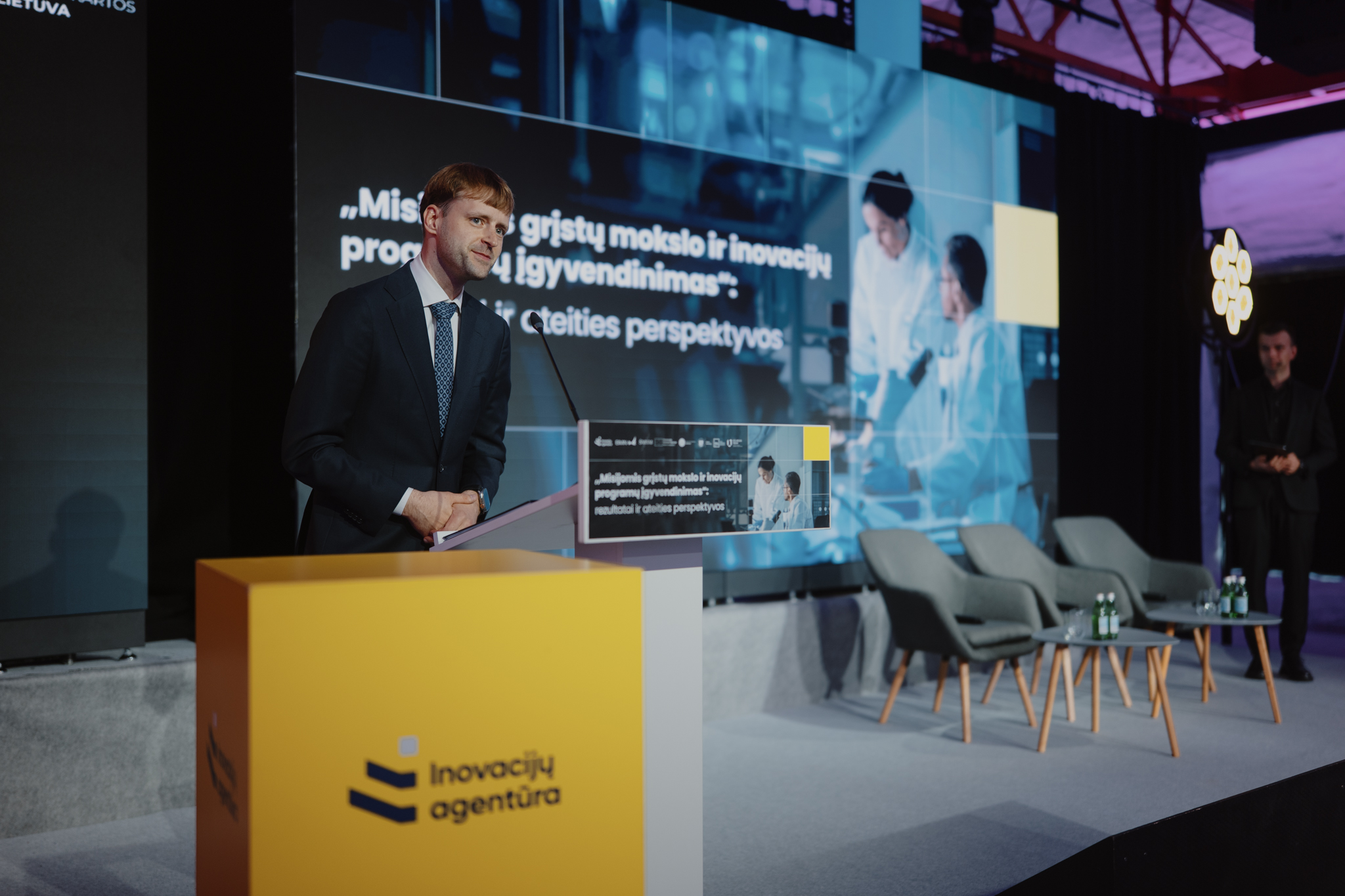
Paulius Kamaitis, acting director of the Innovation Agency, emphasizes that the completion of the funding phase is not the end of the project, but the beginning of its practical application. The creation of three permanent competence centers is intended to act as a magnet for international talent and high-tech investment.
However, the success of this mission-based model depends on the ability of these centers to bridge the “valley of death” between laboratory prototypes and scalable consumer products. While the infrastructure is now in place, the long-term economic return will rely on the private sector’s willingness to adopt these local innovations over established international alternatives. The project activities are slated for full implementation by June 2026, setting a tight deadline for these new centers to prove their commercial viability.
Source: ELTA