Lithuania’s First Lady Honors 60,000 Young Athletes in Vilnius
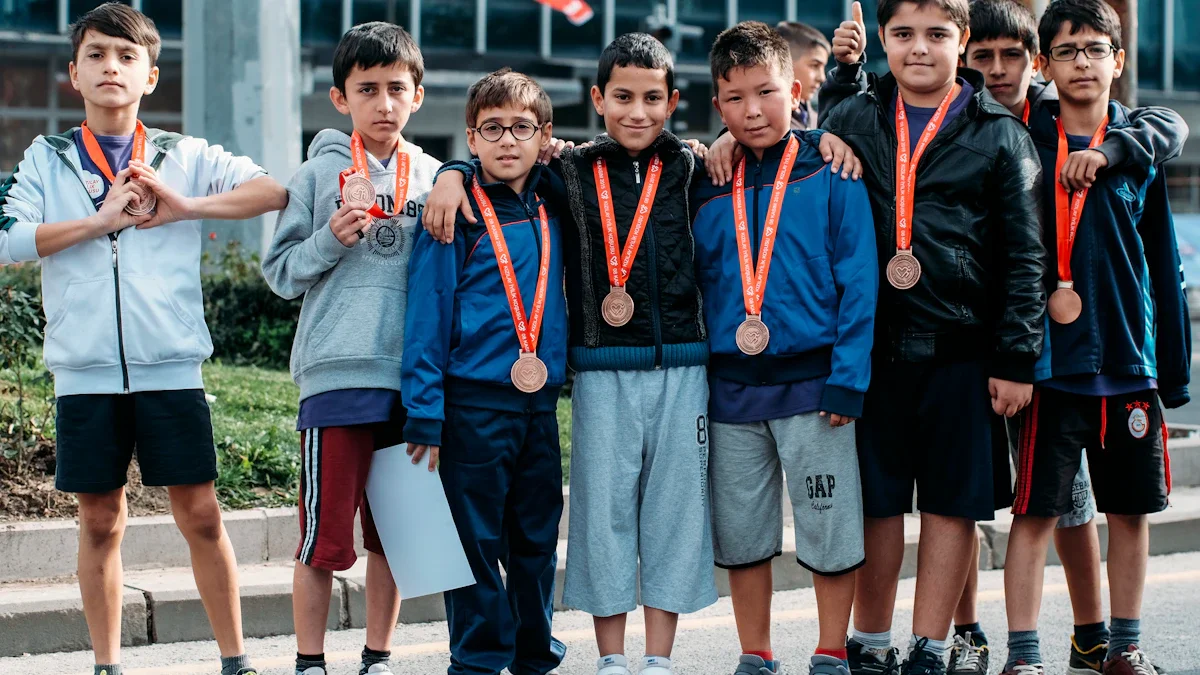
On a vibrant Sunday in Vilnius, the capital of Lithuania, the air was filled with the kind of kinetic energy only 60,000 children can generate. First Lady Diana Nausėdienė took center stage at the Lithuanian Little Games (Lietuvos mažųjų žaidynės), a massive national initiative designed to instill a love for movement in the country’s youngest citizens. The festival, now in its twelfth year, serves as the grand culmination of a project that spans the entire nation, reaching into nearly every municipality.
Addressing the crowd of young athletes, parents, and educators, the First Lady described the participants as a reflection of spring itself—vibrant, restless, and full of potential. Her message, however, carried a weight that resonated beyond the festive atmosphere, touching on the universal challenge of raising healthy children in a digital age.
A Decade of Developing Discipline
What began as a modest local initiative has blossomed into Lithuania’s largest physical activity project for preschool-aged children. This year’s statistics are staggering for a nation of fewer than three million people: 475 preschool education institutions participated, involving approximately 60,000 children between the ages of 3 and 7.
The project is not merely about a single day of competition. It is a structured, months-long curriculum organized by the National Olympic Committee of Lithuania (LTOK) in collaboration with the Republican Association of Preschool Physical Education Teachers (RIUKPPA). By the time the children reach the festival stage in Vilnius, they have spent months learning the fundamentals of teamwork, coordination, and the joy of physical effort.
“By running fast, skillfully overcoming obstacles, and successfully reaching the finish line together with your friends, you are not only playing but also learning,” Nausėdienė told the participants. She emphasized that the habits formed on the track are the same ones that build character and personality, noting that both she and President Gitanas Nausėda take immense pride in the resilience shown by the younger generation.
Fighting the Digital Distraction
In a world where screen time increasingly competes with outdoor play, the First Lady’s patronage of the Little Games highlights a strategic national priority: public health. Her speech moved from celebratory praise to a call for personal responsibility, even at a young age.
She framed the concept of “victory” not just as winning a race, but as a triumph over sedentary habits. “I wish you all victories in life, whatever you do: victories against laziness, against the desire to spend time with a phone or tablet, against the desire to do nothing,” she remarked.
This focus on “movement as a lifestyle” is a cornerstone of the project’s philosophy. The organizers aim to ensure that every child who participates—even once—leaves with a more responsible attitude toward their own well-being. By engaging children as young as three, the initiative seeks to hardwire the “joy of movement” before sedentary habits can take root.
A Community Effort for the Future
The success of the Little Games relies on a massive network of support. Nausėdienė offered specific gratitude to the physical education teachers and parents whose creativity and dedication make the scale of the event possible. It is their work that creates a world where children can expand their physical limits while strengthening both “soul and body.”
As the festival concluded, the message remained clear: in the race for a healthier future, every child who chooses to move is already a winner. The Lithuanian model offers a compelling blueprint for how national leadership and grassroots education can unite to tackle the global decline in youth fitness.
Original reporting by: Argumentas.lt
Source: BNS