Latvia’s Highest Honour for Special Education Pioneer Anitra Šneidere
Main details for residents
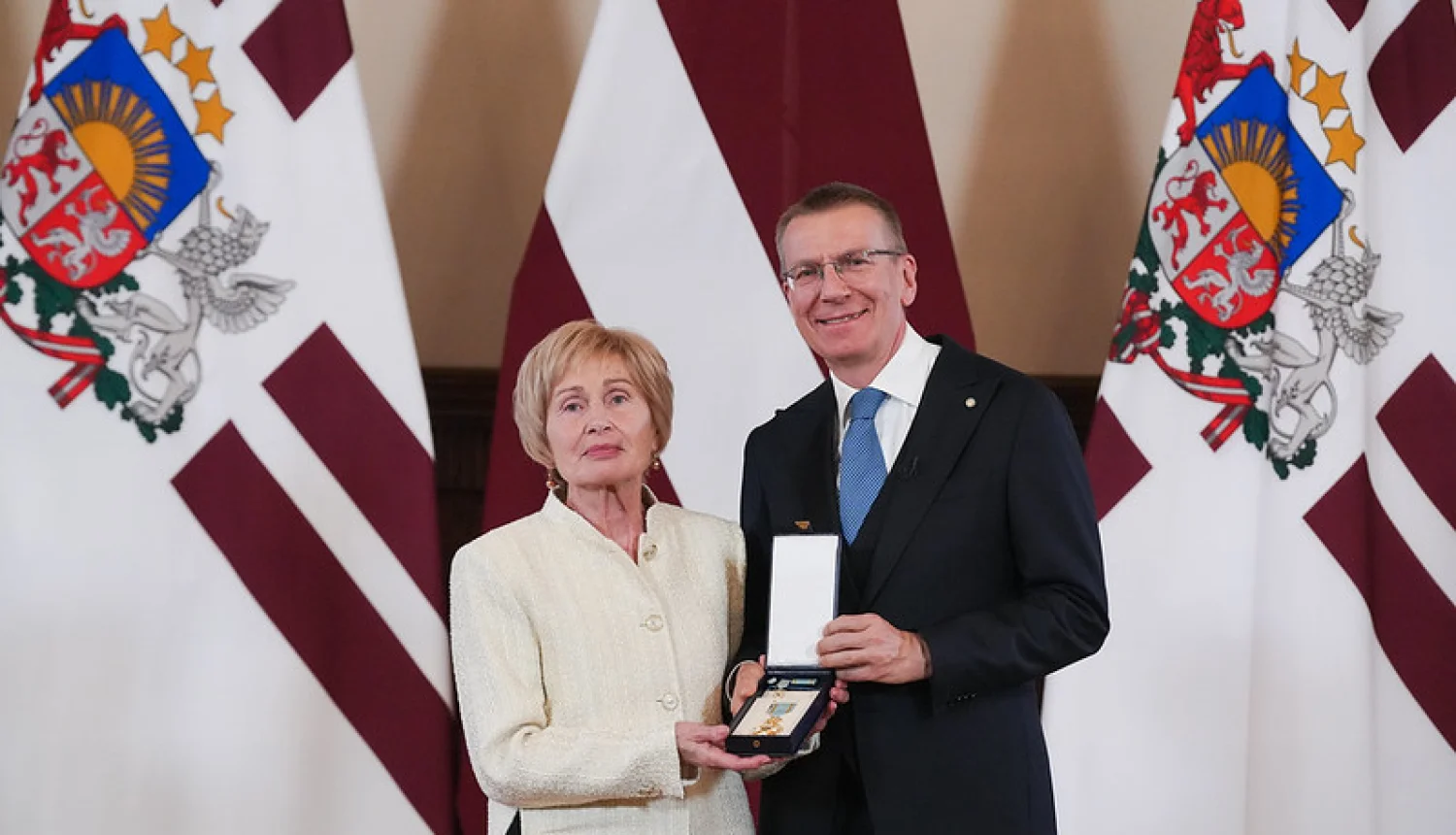
Beyond a chestnut-lined avenue near the town of Priekule lies Mežupes Primary School, a sanctuary for inclusive education that has, for decades, been shaped by the steady hand of its director, Anitra Šneidere. In a ceremony marking the Restoration of Independence of the Republic of Latvia, Šneidere has been awarded the Order of the Three Stars—the nation’s highest civilian honour—recognising a half-century of selfless service to children with special needs.
For readers in the UK, where the Honours List recognises exceptional service to the community, the Order of the Three Stars carries a similar weight of prestige and national gratitude. It is a testament to a career that began not as a grand ambition, but as a response to a local crisis.
A Lifetime of Service: From Classroom to Leadership
Anitra Šneidere’s journey into pedagogy was, by her own admission, a path chosen by circumstance. Born in Liepāja in 1957, she was a standout student who initially answered a call for teachers in rural areas during a period of significant educator shortages. In 1975, she began her career at what was then the Purmsāti Special School. What was intended to be a temporary post became a lifelong calling.
Over the last 50 years, Šneidere has remained dedicated to the same institution—now known as Mežupes Primary School in the South Kurzeme region. Her trajectory from a young teacher to the Deputy Director of Education, and finally to Director for the past decade, mirrors the evolution of special education in Latvia itself. Throughout her tenure, she has balanced the heavy administrative burden of leadership with a refusal to leave the classroom, maintaining a direct connection with the students she serves.
The Order of the Three Stars: A National Recognition
The Order of the Three Stars, established in 1924 and restored after Latvia regained independence from the Soviet Union, is awarded for merit in social, cultural, and educational work. For Šneidere, the award is particularly poignant because the nomination was kept a secret by her colleagues, who sought to surprise her with a formal recognition of her “unfailing humanity.”
What changes in practice
Mežupes Primary School is not a typical academic environment. It is a specialist facility catering to children with diverse developmental and learning needs. Under Šneidere’s leadership, the curriculum has shifted to focus on more than just textbooks; it emphasises practical life skills, social integration, and the discovery of individual potential. Her philosophy is grounded in the belief that progress should be measured in small, significant steps rather than standardised milestones.

International Ties and Personal Roots
Recognising that local resources are often limited, Šneidere has been a pioneer in seeking international cooperation. A long-standing partnership with the Swedish organisation “Lettlands Vänner” (Friends of Latvia) has provided Mežupes with access to modern rehabilitation techniques and international pedagogical exchanges. This global outlook has allowed the school to secure funding for aesthetic and functional environments that support children with severe developmental disabilities.
Despite the intensity of her professional life, Šneidere finds balance through travel and a deep connection to her heritage. In a detail that highlights the interconnected nature of European history, she reveals that her grandfather was Greek. This ancestral link has fostered a lifelong love for Greece, alongside a passion for literature that allows her to distance herself from the daily pressures of school management.
A Universal Lesson in Education
As the UK continues to debate the best methods for supporting Special Educational Needs and Disabilities (SEND), the story of Anitra Šneidere offers a universal reminder: the success of inclusive education relies less on policy and more on the dedication of individuals who refuse to give up on a child’s potential.
Colleagues describe her as a leader with immense work capacity and a profound sense of responsibility. Upon receiving the honour, Šneidere was quick to share the credit, noting that the award belongs to the entire team at Mežupes. Her story is a powerful example of how one person’s commitment to a single rural school can resonate on a national—and international—stage.
Original reporting by: ikdiena.lv