Liverpool moves to close 10-year women’s health gap
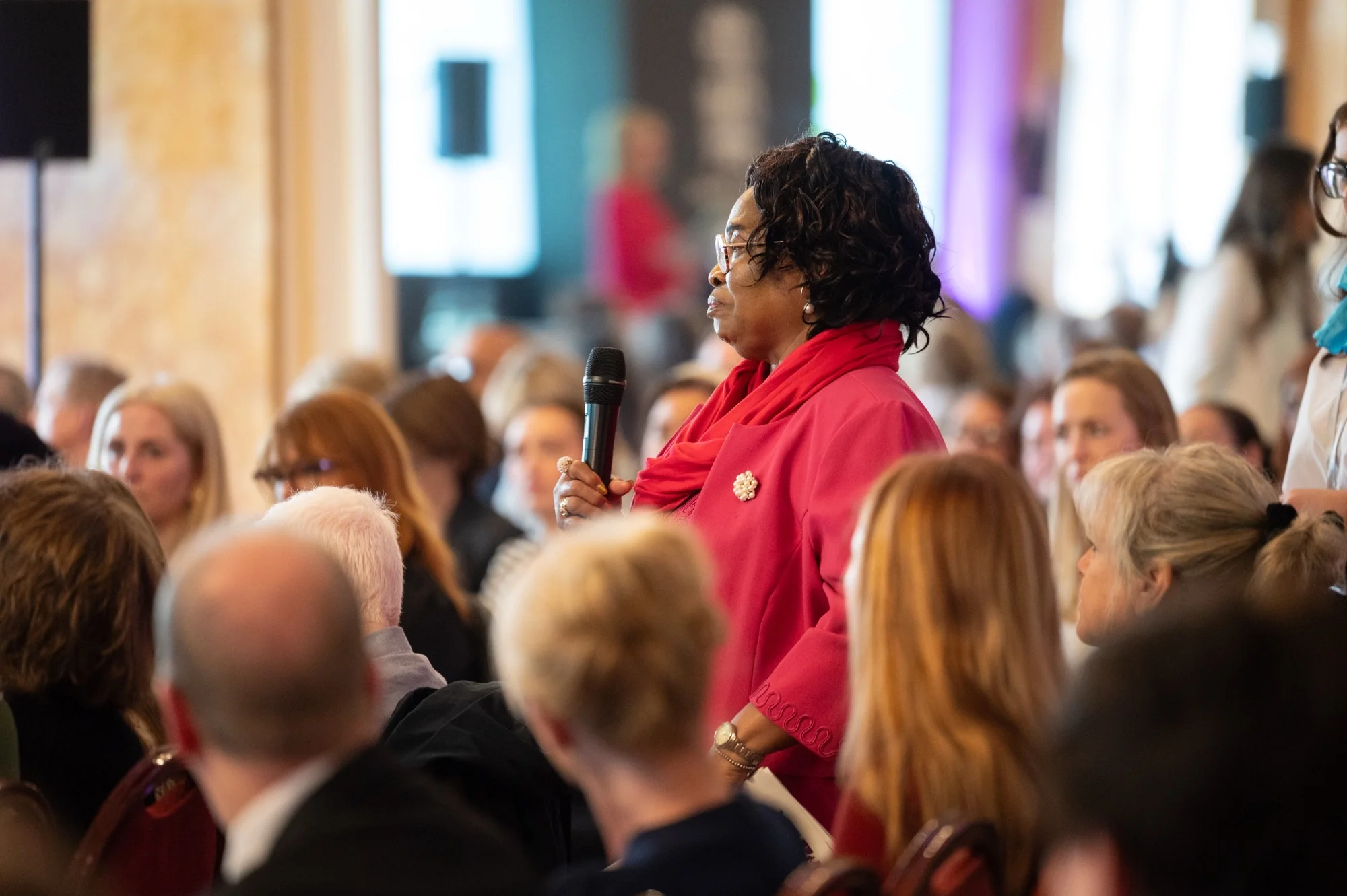
Liverpool has initiated a systemic overhaul of its healthcare approach following data showing local women experience ill health ten years earlier than those in other parts of the UK. The Women’s Health Conference, hosted by Liverpool City Council, recently convened medical leaders, community advocates, and residents with lived experience to address a cycle of health inequality that leaves women in the city spending approximately 30% of their lives in poor health.
The scale of health inequality in Liverpool
Data presented at the summit confirms that women in Liverpool face significantly poorer health outcomes compared to the national average. Beyond the 10-year gap in the onset of illness, local women are more likely to die prematurely from preventable causes. This disparity is wider for women than the equivalent gap seen among men in the region.
Mental health has emerged as a primary concern for public health officials. Statistics show that depression affects 17% of women across the city, a figure that rises to nearly 30% for women in midlife. Furthermore, drug-related deaths among women in Liverpool are currently more than three times the England average, highlighting a critical need for targeted intervention and support services.
Social and economic drivers of illness
The health outcomes for women in the city are not isolated medical issues but are deeply influenced by social and economic factors. Liverpool City Council identified that women in the region are disproportionately affected by poverty, insecure employment, and unpaid caring responsibilities. These pressures, combined with the long-term effects of trauma, create a cumulative impact on both physical and mental wellbeing throughout a person’s life.
Councillor Rahima Farah, Assistant Cabinet Member for Health, Wellbeing, and Culture, noted that these experiences are further fractured by ethnicity, disability, and migration status. Many women from diverse backgrounds report facing additional barriers to care, including language obstacles and cultural expectations, which often result in their health needs being overlooked by the current system.
Challenges in diagnosis and clinical access
A consistent theme from the conference was the difficulty women face when navigating the healthcare system. Many reported feeling unheard or unsupported when seeking medical help. Specific conditions such as endometriosis, menstrual health issues, and menopause symptoms remain frequently under-diagnosed or poorly managed.
Waiting times for gynaecology services in Liverpool are currently among the longest of any medical specialty. This fragmentation in care pathways often leads to preventable conditions worsening before treatment is administered. As Liverpool’s older population continues to grow, healthy ageing has become a priority, particularly regarding high levels of cardiovascular disease, respiratory illness, and cancer among women.
Strategic collaboration for systemic change
The conference marked the beginning of a coordinated effort between the NHS, local government, and the voluntary sector. The focus has shifted from merely identifying problems to delivering measurable improvements in day-to-day lives. This involves applying a specific “women’s health lens” to all public services, from housing and education to employment and clinical care.
Professor Matt Ashton, Director of Public Health for Liverpool City Council, stated that the focus is now on creating the conditions for real progress by bridging the gap between community leadership and system decision-makers. Dr Fiona Lemmens, Executive Clinical Director at NHS Cheshire and Merseyside, confirmed that the system is committed to strengthening prevention and early intervention throughout the life course.
This collaborative work aims to secure long-term commitments from city leaders to ensure that the vital role of community organisations and peer support networks is integrated into the formal health system. The objective remains a fairer, healthier future where a woman’s postcode or economic status no longer dictates her life expectancy.
Source: Liverpool City Council