The Screen Generation: How to Get Kids Off the Couch and Into Sports
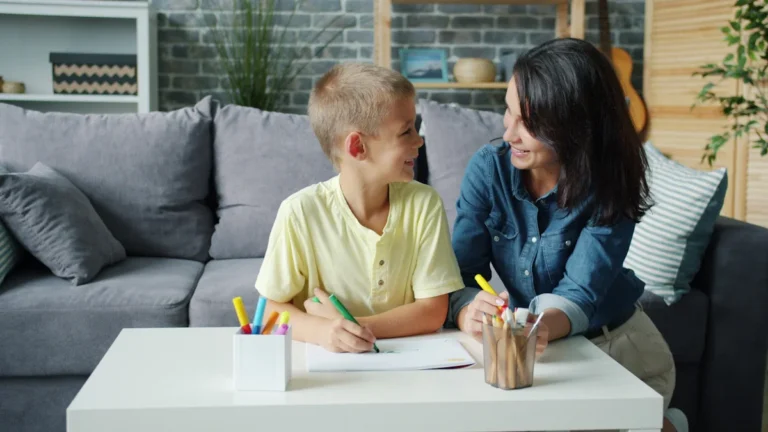
The modern living room has become the primary arena for the ‘screen generation,’ where tablets and consoles often win the battle for a child’s attention. While the physical and mental benefits of movement are undisputed, the challenge for parents and coaches today has shifted from refining technique to a much more fundamental hurdle: simply getting children off the sofa.
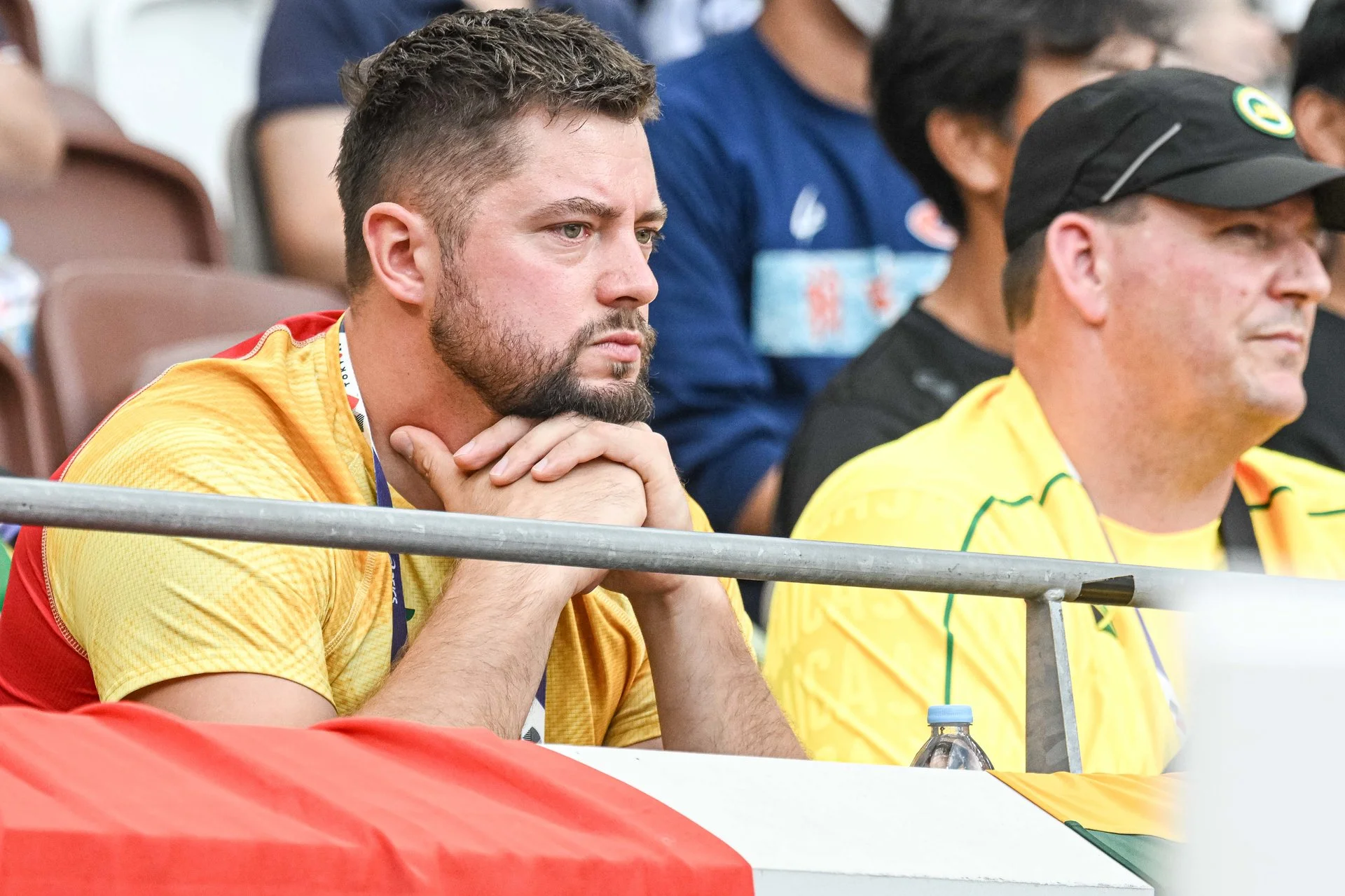
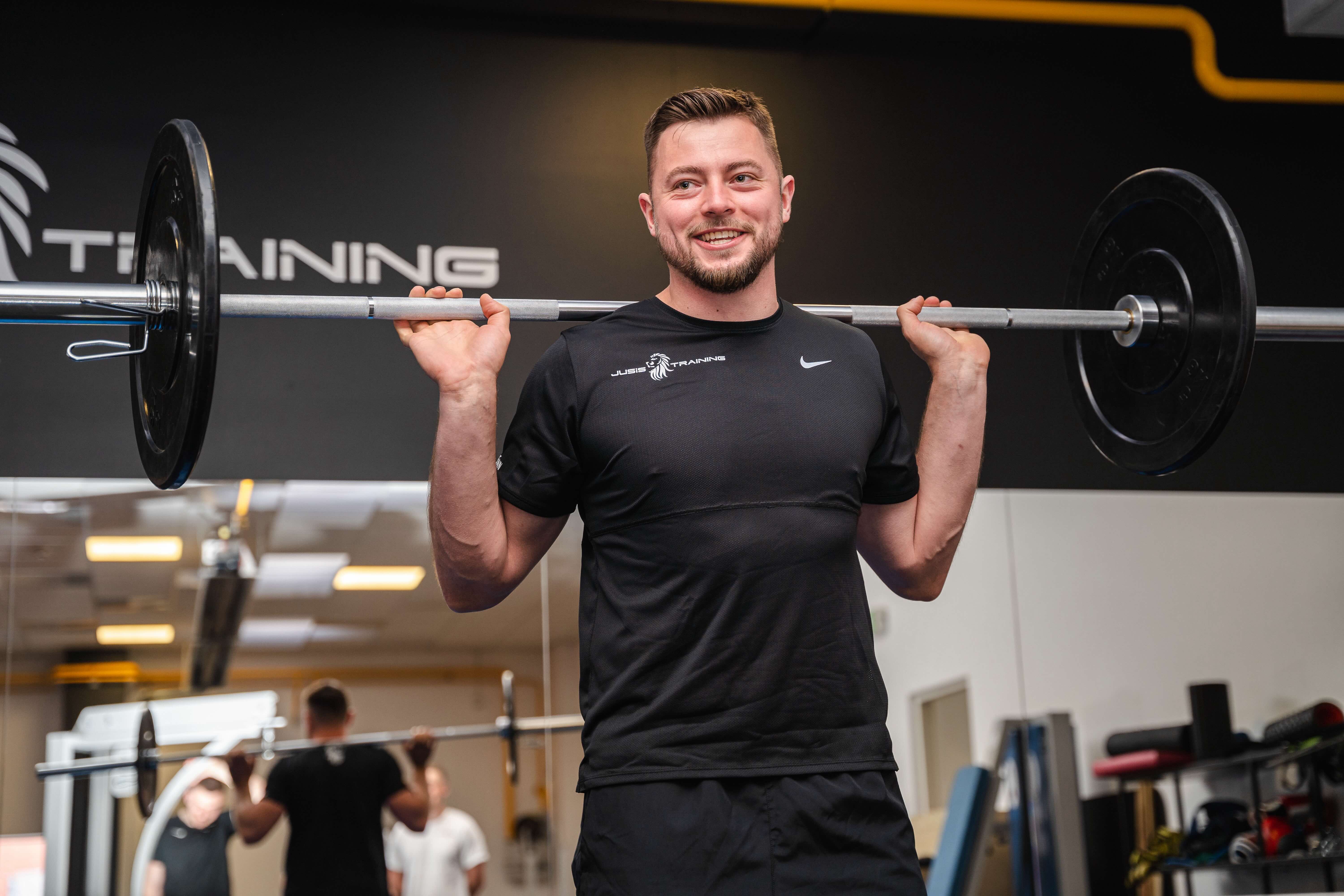
Expert coach Mantas Jusis, founder of the ‘Jusis Training’ sports club, warns that the decline in physical activity is no longer just a trend—it is a visible crisis. As children spend more time tethered to digital devices, their physical literacy is plummeting. This shift is manifesting in weakened posture, poor coordination, and a significant loss of balance. More concerningly, the psychological resilience traditionally built through sport is being eroded by the instant gratification of the digital world.
The Physical Decline of the Digital Age
According to Jusis, children are increasingly struggling with what were once considered ‘natural’ movements. “It seems that children are finding simple things harder—running, sprinting, and competing with each other in the yard,” he observes. This lack of movement has a domino effect on development. Beyond the physical symptoms like poor posture, there is a noticeable impact on character.
Children are becoming less patient and find it harder to concentrate. In a world of ‘quick wins’ online, the slow, disciplined progress of sports can feel alien. When they don’t see immediate results, many are tempted to quit. This abandonment of physical activity leads to a deficit in self-control, discipline, and the ability to pursue long-term goals—traits that are essential for success in all areas of adult life.
Moving from Coercion to Gamification
In the UK, where childhood obesity and sedentary lifestyles are major public health concerns, the advice from international experts like Jusis is becoming increasingly relevant. The consensus is shifting: the old-school method of forcing children into rigid, high-pressure training regimes is failing. Instead, the focus must move toward engagement and ‘gamification.’

“Today, the biggest challenge is not how to train, but how to lift them off the couch at all,” Jusis explains. To compete with the allure of high-definition gaming, sports must be intrinsically engaging. The goal is to provide a variety of movement experiences without the immediate pressure of professional results. By fostering a positive emotional connection to movement early on, children are more likely to discover a ‘lifelong’ sport that they pursue out of genuine interest rather than parental obligation.
Why Pickleball and Padel are Winning the Engagement War
One of the most effective ways to bridge the gap between the screen and the field is through accessible, high-tempo sports. This summer, Jusis and his team are integrating athletic testing into pickleball and padel camps in Vilnius—a move that mirrors the rapid rise of these sports in the UK and the US.

Pickleball, which combines elements of badminton, table tennis, and tennis, has seen an explosion in popularity because of its low barrier to entry. “You don’t need a long introduction; the rules are clear, and the game is dynamic and fun,” says Jusis. For children, the immediate ‘fun factor’ is crucial. It develops reaction speeds and coordination without the steep learning curve of traditional lawn tennis, allowing kids to feel the ‘joy of the game’ almost instantly.
The Power of Professional Inspiration
To further motivate the younger generation, Jusis emphasizes the importance of role models. His programs often involve elite athletes, such as Olympic high jumper Adrijus Glebauskas. Seeing a professional athlete in person—someone who has reached the pinnacle of physical achievement—provides a level of inspiration that a screen cannot replicate.
Ultimately, while not every child will become a professional athlete, the goal of these modern sporting initiatives is to build a foundation of health and confidence. By creating a safe, engaging environment where movement is synonymous with fun, coaches hope to reclaim the generation currently lost to the sofa.
Original reporting by: infoerdve.lt
Source: ELTA