One in Four Residents Hit by Storm Damage as Climate Costs Surge
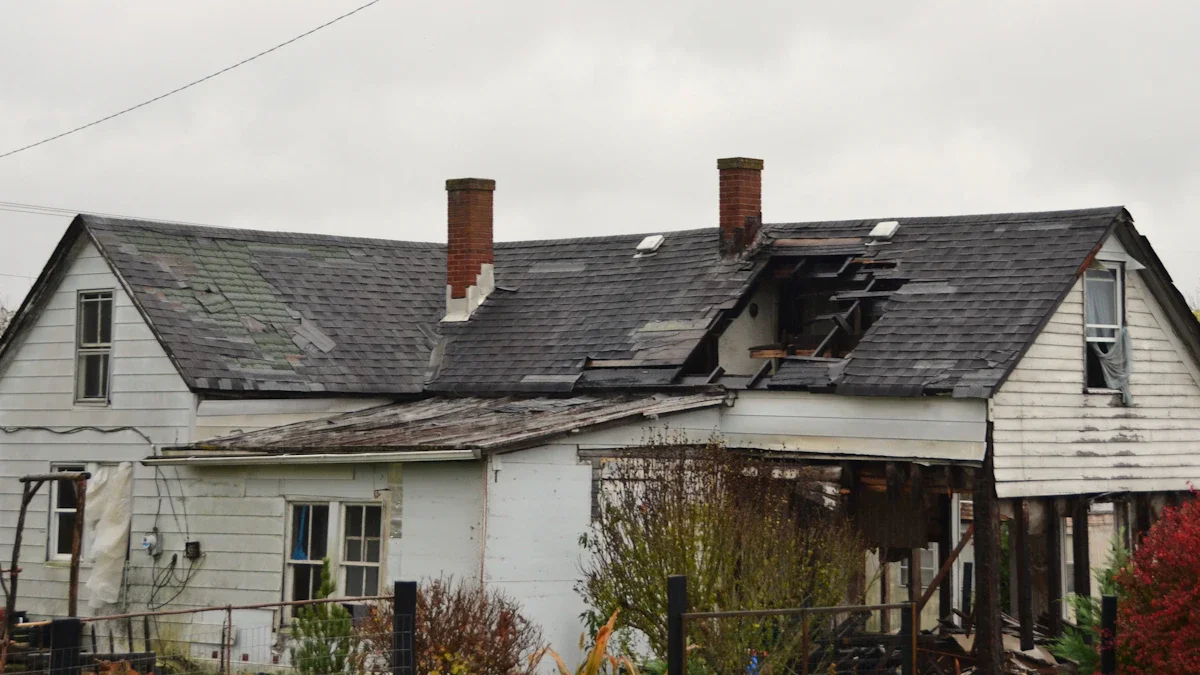
Recent data from Northern Europe highlights a growing financial crisis for homeowners: the increasing frequency and severity of natural disasters. A comprehensive study conducted by Spinter Research on behalf of Swedbank reveals that nearly 25% of the population has suffered property damage due to extreme weather events within the last five years. This statistic marks a significant shift in the risk profile for residential properties, moving natural disasters from ‘rare occurrences’ to a predictable seasonal threat.
The financial implications are stark. In the opening months of 2026, insurance payouts for weather-related damages reached approximately €1.5 million—a figure that matches the total compensation paid out during the entire preceding year of 2025. This 15% surge in reported cases suggests that the intensity of individual storms is compounding the frequency of claims, leaving many property owners underprepared for the scale of the restoration costs.
The Financial Reality of Extreme Weather
While many residents perceive storms as exceptional events, the data suggests a different reality. The average claim for property damage now sits around €1,000, but the ceiling for potential loss is much higher. Some individual claims have reached as high as €64,000, particularly when structural integrity is compromised or high-value assets like automobiles and modern greenhouses are involved.
| Damage Category | Statistical Insight |
|---|---|
| Affected Population | 25% (1 in 4 residents) |
| Average Claim Value | €1,000 |
| Maximum Recorded Loss | €64,000 |
| Annual Payout Growth | 100% (Early 2026 vs full 2025) |
It is important to note that these figures represent insured losses. The actual economic impact is likely higher when accounting for uninsured properties and the indirect costs of displacement or business interruption. The research indicates that while home structures account for a third of claims, automobiles and external infrastructure—such as fences, terraces, and sheds—are equally vulnerable.
Seasonal Hazards and Delayed Structural Failure
The nature of the damage evolves with the calendar. The study identifies a distinct pattern of risk that homeowners must navigate. In the winter and early spring, the primary culprits are heavy snow loads and high-velocity winds that tear at roof structures. However, as the region moves into autumn, the danger shifts toward water ingress.

One of the most treacherous aspects of storm damage is the delay in manifestation. Experts note that while a windstorm might cause immediate, visible destruction, heavy rainfall often leads to slow-acting damage. Water penetration through building envelopes may not become apparent until weeks after the event, by which time the moisture has caused internal rot or mold, significantly inflating repair bills. A seemingly minor leak during a storm can evolve into a major structural renovation if not identified through professional inspection.
Strengthening Property Resilience for the Coming Season
As the warmer months approach, the risk profile shifts toward sudden, violent thunderstorms and hail. This is the period when outdoor living spaces are most active, and consequently, most at risk. Items that define modern leisure—outdoor furniture, high-end barbecues, gazebos, and trampolines—frequently become projectiles during high-wind events, causing secondary damage to the main residence or neighboring properties.
Mitigating these risks requires a proactive approach rather than a reactive one. Ensuring that rain drainage systems are clear, verifying the structural attachments of terraces, and securing loose garden equipment are essential steps. However, as the data proves, even the best-prepared homeowner can fall victim to the ‘1 in 4’ statistic. In this climate of increasing volatility, the role of comprehensive property insurance has transitioned from a secondary consideration to a fundamental component of financial security. The current trend suggests that the question is no longer if a property will be affected by weather, but when, and how well the owner is positioned to recover from the inevitable costs.
Source: BNS