Tower Hamlets leads UK with 6,241 new trees in streets and parks
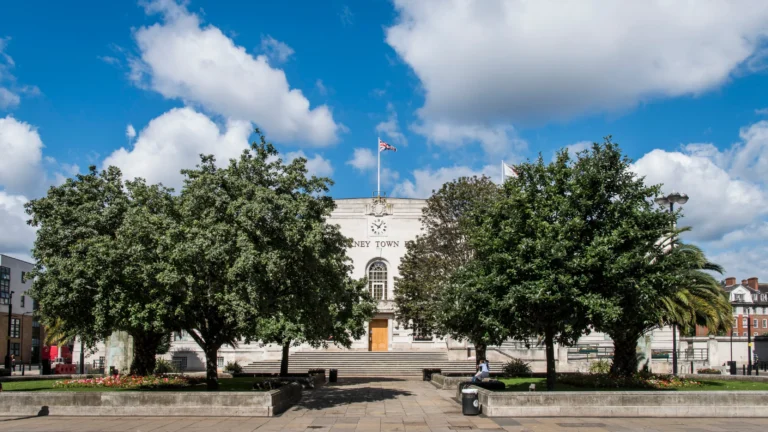
Tower Hamlets has officially become the leading urban forestry authority in the UK, reaching a five-year milestone as a “Tree City of the World.” Since 2022, the borough has seen the addition of 6,241 trees, a figure that surpasses initial environmental targets and directly influences local air quality and flood resilience. This recognition, awarded by the United Nations Food and Agriculture Organisation and the Arbor Day Foundation, places the East London borough at the forefront of global urban greening efforts.
Strategic planting across 6,241 local sites
The distribution of these new plantings focuses on high-density residential areas and public infrastructure. Data from the borough shows a strategic split in where these trees have been placed to maximize community benefit. The 3,935 trees added to parks and open spaces enhance biodiversity, while 1,389 trees planted along public highways and streets provide vital shade. An additional 917 trees were integrated into housing estates to improve the immediate living environment for residents.
Executive Mayor Lutfur Rahman confirmed that the initiative is continuing, with a commitment to plant a further 1,000 trees across these same categories. The expansion is part of a broader strategy to manage the local climate, specifically addressing the need for cooling during summer months and reducing the risk of surface water flooding in paved areas. In a borough as densely populated as Tower Hamlets, these trees act as natural filters for particulate matter from traffic and help mitigate the “urban heat island” effect.
Global leadership and the 5-star Growth Award
Beyond the standard “Tree City” designation, Tower Hamlets Council has secured a 5-star rating in the inaugural Growth Awards. It is currently the only local authority in the UK to meet all five criteria required for this specific recognition. This “Global Leadership City” status indicates that the borough is exceeding the foundational standards set for urban forestry management, which include establishing clear policies for tree care and maintaining a dedicated budget for greenery.
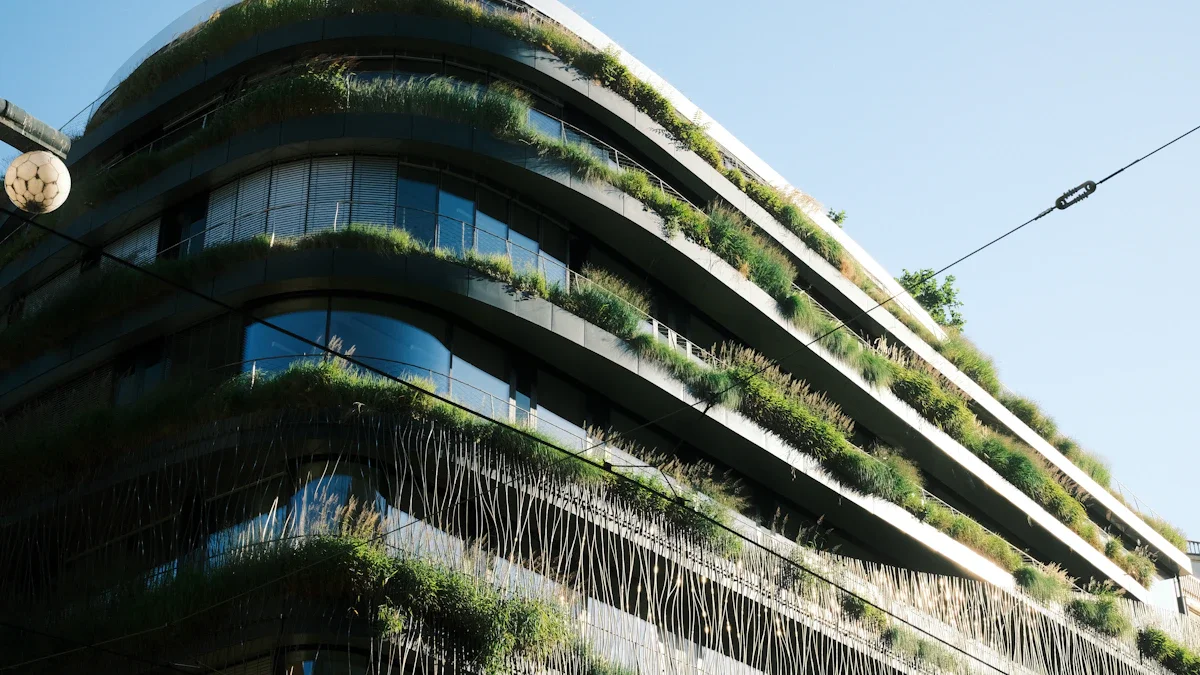
The success of the programme relies heavily on external partnerships and community sponsorship. Mary King of Trees for Cities highlighted that over 500 street trees were funded through the “Trees for Streets” sponsorship platform. This model allows residents and local businesses to directly contribute to the greening of their own immediate neighborhoods. This collaborative approach mirrors urban greening projects in Paris, where municipal authorities are increasingly integrating nature into dense city layouts to combat rising temperatures.
Community involvement and future planting seasons
Residents looking to influence the canopy cover in their own streets can continue to use the Trees for Streets platform to sponsor new plantings. Local volunteering opportunities through Trees for Cities remain open for those interested in the hands-on maintenance and planting of the next 1,000 trees.
These efforts align with wider regional trends seen at events like the Chelsea Flower Show, which increasingly emphasizes sustainable urban cooling and the use of native species in city environments. People can support the borough’s greening efforts by sponsoring a tree via the official Trees for Streets website or joining local planting events scheduled for the upcoming season. To maintain the “Tree City of the World” status, the borough must continue to adhere to strict international standards regarding tree inventory and community engagement.
Source: Tower Hamlets Council



AI moderation
Portal AI moderator got this signal
Thanks. The comment is now marked for community review and AI moderation scoring.