Urgent Recall: Maxima Pulls Frozen Pancakes Over Mad Cow Disease Risk

The major Baltic retail chain Maxima has issued an emergency recall for its popular ‘Extra line’ frozen pancakes with meat filling following a high-priority safety alert. The recall, which covers multiple batches of the product, was triggered after reports surfaced of potential biological contamination within the beef supply used by the manufacturer.
The retailer, which operates extensively across Lithuania, Latvia, and Estonia, confirmed that the supplier, Liūtukas ir Ko, notified them of a potential case of Bovine Spongiform Encephalopathy (BSE)—more commonly known as ‘Mad Cow Disease’—detected in the raw beef material. While the risk to human health from the specific product is considered low, the State Food and Veterinary Service (VMVT) has mandated an immediate removal of the affected goods from the market as a precautionary measure.
Immediate Risk and Affected Batches
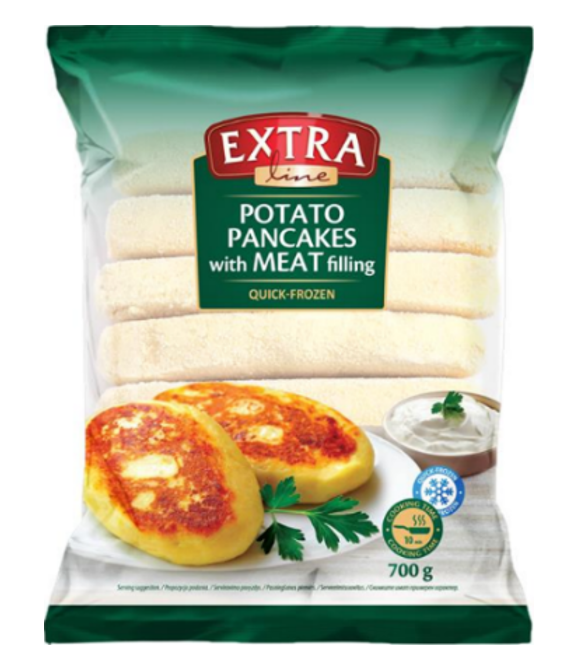
The recall specifically targets the ‘Extra line’ frozen Žemaičių pancakes with meat filling (700g). These pancakes are a staple in many households across the region, often purchased for their convenience and long shelf life. However, the discovery of potential BSE contamination in the beef raw material has rendered the product unsafe for consumption.
According to Titas Atraškevičius, a spokesperson for Maxima, the contaminated batches were identified through the supplier’s internal quality control and subsequent testing by national veterinary authorities. The affected products carry the barcode 2098766005085 and have various ‘Best Before’ dates ranging from January 29, 2027, to March 6, 2027. Consumers are urged to check their freezers immediately for these specific dates.
Understanding the BSE Context
Bovine Spongiform Encephalopathy is a fatal neurodegenerative disease in cattle that can, in rare instances, be transmitted to humans as variant Creutzfeldt-Jakob Disease (vCJD) through the consumption of contaminated meat products. Since the major BSE crisis of the 1990s, which significantly impacted the UK and European beef industries, food safety regulations have become exceptionally stringent.
In the current case, the contamination was detected in the raw beef supply before wider distribution, showcasing the effectiveness of modern traceability systems. Even though the pancakes are intended to be thermally processed (fried or baked) by the consumer, health officials warn that the proteins associated with BSE are highly resistant to heat. Therefore, cooking the product does not eliminate the health risk, and the retailer has stressed that the product should not be consumed by humans or fed to pets.
Refund Procedures for Consumers
In a move to ensure public safety, Maxima has announced a comprehensive refund policy. Customers who have purchased the ‘Extra line’ pancakes are advised to return them to any Maxima store. Notably, the retailer has stated that refunds will be issued even if the customer no longer possesses the original purchase receipt. Evidence of purchase can also be provided via loyalty card statements (the ‘Ačiū’ card) or bank transaction records.

For those unable to visit a physical store, the retailer has opened dedicated communication channels. Customers can contact the service department via a toll-free number or through the company’s digital help desk. The recall process is scheduled to remain active until May 31, 2026, though the removal of stock from shelves was completed within hours of the initial alert.
Broader Implications for Food Safety
This incident serves as a stark reminder of the complexities involved in the international food supply chain. While the recall is centered in Lithuania, the protocols followed mirror the high standards required across the European Union and the United Kingdom. The rapid identification and public disclosure of the BSE risk highlight the ‘zero-tolerance’ approach currently taken by European food regulators regarding biological contaminants.
Maxima has reinforced its commitment to food safety by announcing an increase in independent laboratory testing and more frequent audits of its meat suppliers. For now, the sale of the ‘Extra line’ meat pancakes remains suspended until a full investigation into the supplier’s raw material sourcing is completed.
Source: ELTA