Windshield Chips: How to Save Hundreds with a 30-Minute Fix
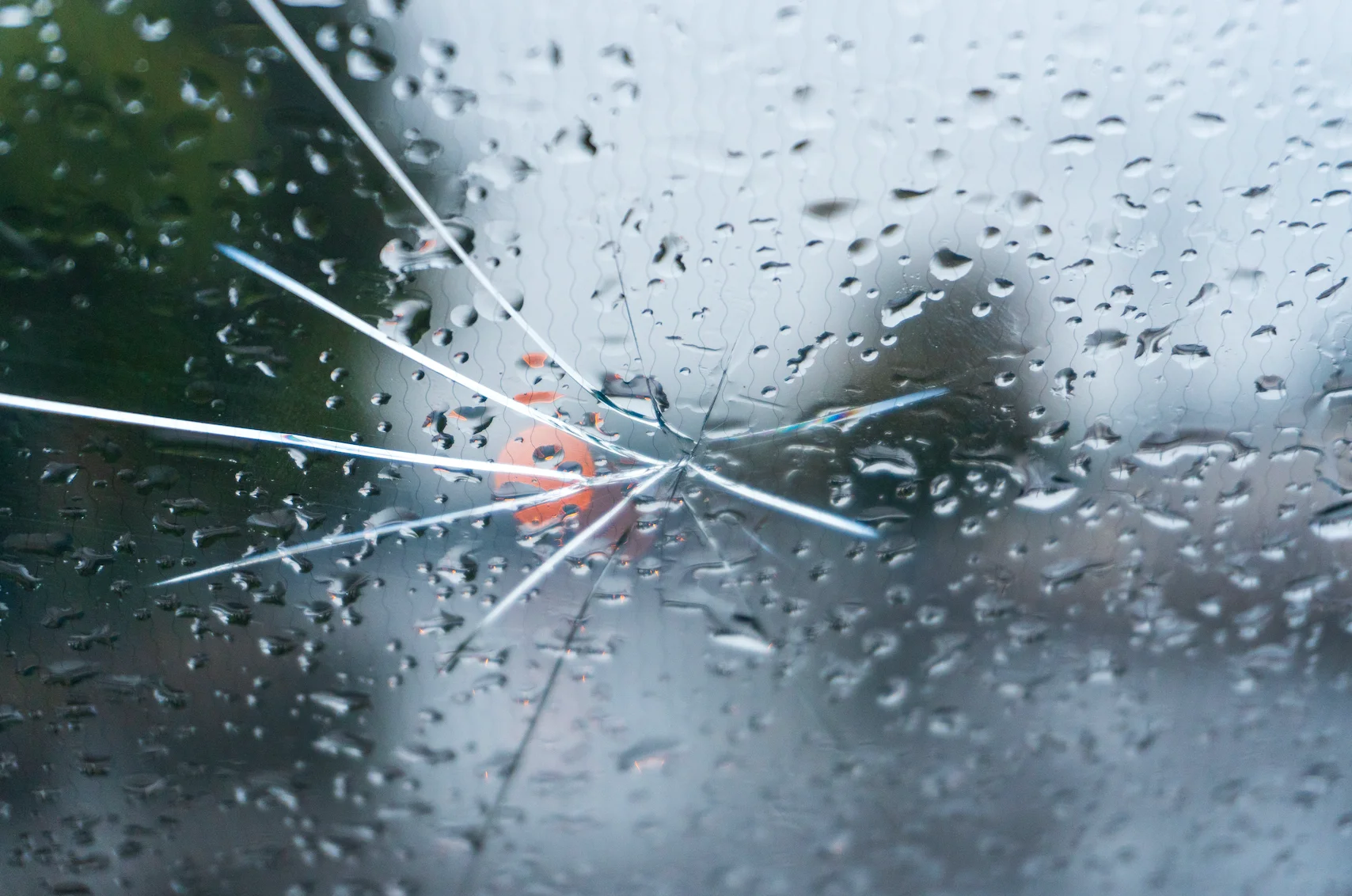
For many drivers, a small chip in the windshield is viewed as a minor cosmetic annoyance rather than a structural emergency. However, recent data from 2024 and early 2025 suggests that ignoring these tiny marks is becoming an increasingly expensive mistake. Experts warn that the window of opportunity to repair a windshield—rather than replacing it entirely—is much smaller than most motorists realize.
Recent insurance statistics from the Baltic region highlight a worrying trend that mirrors broader European road conditions. In 2024, monthly windshield damage claims fluctuated between 45 and 92 cases. By late 2025, these numbers surged, with some months recording over 120 incidents. This spike isn’t just a winter phenomenon; it is increasingly tied to spring road maintenance and high-intensity summer traffic, where loose gravel and debris become projectiles.
The Rising Cost of Procrastination
When a stone hits your glass, it creates a point of weakness. While the car is stationary, the damage may look stable. However, the moment you hit the road, the glass is subjected to immense physical stress. Driving over speed bumps, navigating uneven road surfaces, or even the natural flexing of the car’s body during cornering can cause a tiny chip to spider-web into a full-length crack in seconds.
Industry experts note that the risk is particularly high in the spring. As winter snow melts and road repairs begin, the amount of loose grit and gravel on the tarmac increases significantly. Maintaining a greater following distance from the vehicle in front is the simplest way to reduce this risk, yet many drivers fail to adjust their habits until the damage is already done.
The ‘Two-Pound Coin’ Rule: Can Your Glass Be Saved?
Not every chip requires a total windshield replacement. In fact, data suggests that more than one-third of all damaged windshields can be professionally repaired if caught early enough. The criteria for a successful repair are relatively strict but easy for a driver to check:
- Size: The damage should be no larger than a £2 coin (roughly 28mm).
- Location: The chip must be at least 3-5cm away from the edge of the glass. Damage near the frame compromises the structural integrity of the entire pane.
- Visibility: The chip should not be directly in the driver’s line of sight, as the repair process can leave a slight distortion that may fail an MOT or safety inspection.
A professional repair typically takes just 30 minutes, whereas a full replacement can sideline a vehicle for three hours or more, depending on the calibration required for modern Advanced Driver Assistance Systems (ADAS).
Thermal Shock and the Hidden Dangers of Air Con
One of the most common causes of a chip turning into a terminal crack is “thermal shock.” This occurs when there is a drastic temperature difference between the interior and exterior of the glass. In the height of summer, a car parked in the sun can have a windshield temperature far exceeding the ambient air. If a driver enters the car and immediately blasts the air conditioning, the rapid contraction of the glass can cause an existing chip to split instantly.
Similarly, hazards aren’t confined to the road. Many drivers are surprised to find their glass damaged while the car is parked at home. Flying debris from lawnmowers or hedge trimmers can easily crack a windshield, proving that even a “safe” driveway has its risks.
The Environmental Case for Repairing Over Replacing
Choosing a repair over a replacement isn’t just a financial decision; it’s an environmental one. Manufacturing a new windshield is an energy-intensive process that results in significant CO2 emissions. Industry data indicates that repairing a windshield is approximately 80% more eco-friendly than replacing it. By opting for a 30-minute resin fix, drivers collectively prevent hundreds of tons of CO2 from entering the atmosphere each year.
The message from specialists is clear: do not ignore the small stuff. A quick assessment by a professional can determine if a cheap fix is possible, potentially saving you the high cost and hassle of a full glass replacement later.
Original reporting by: elta
Source: ELTA