A Decade of Lidl: How Lithuania Embraced the Private Label Revolution
Ten years ago, the retail landscape in Lithuania looked remarkably different. For a nation that had spent decades under the shadow of the Soviet Union, Western “big brands” were more than just products; they were symbols of quality and status. However, the entry of Lidl into the market a decade ago sparked a quiet revolution in consumer psychology. Today, new data reveals that the era of “brand snobbery” is effectively over, replaced by a pragmatic focus on value and quality.
According to a recent study by Norstat, commissioned by Lidl Lietuva, a staggering 73% of the population now regularly includes private-label products in their shopping baskets. This shift mirrors the “Aldi and Lidl effect” seen in the United Kingdom, where the cost-of-living crisis and improving quality standards have pushed discount brands into the mainstream.
The Data Behind the Shift
The transition from brand-heavy shopping to private-label dominance has been swift. The following table illustrates the key metrics of Lidl’s growth and consumer adoption in Lithuania over the last ten years.
| Metric | 2014/2016 (Launch Period) | 2024 (Current Status) |
|---|---|---|
| Consumer Adoption | Private labels viewed as “novelty” | 73% of shoppers buy private labels |
| Local Suppliers | 60 Lithuanian producers | 240+ Lithuanian producers |
| Local Product Range | 322 Lithuanian items | Significant expansion across all categories |
| Market Standard | Brand-led pricing | Private label as the market norm |
It is important to note that these figures do not suggest a total abandonment of premium brands, but rather a sophisticated “hybrid” shopping style. Consumers are increasingly willing to swap household staples for private labels while remaining discerning about quality—a trend Antanas Bubnelis, Lidl Lietuva’s Head of Corporate Affairs, describes as the “new market norm.”
Market Context: From Status to Sustainability
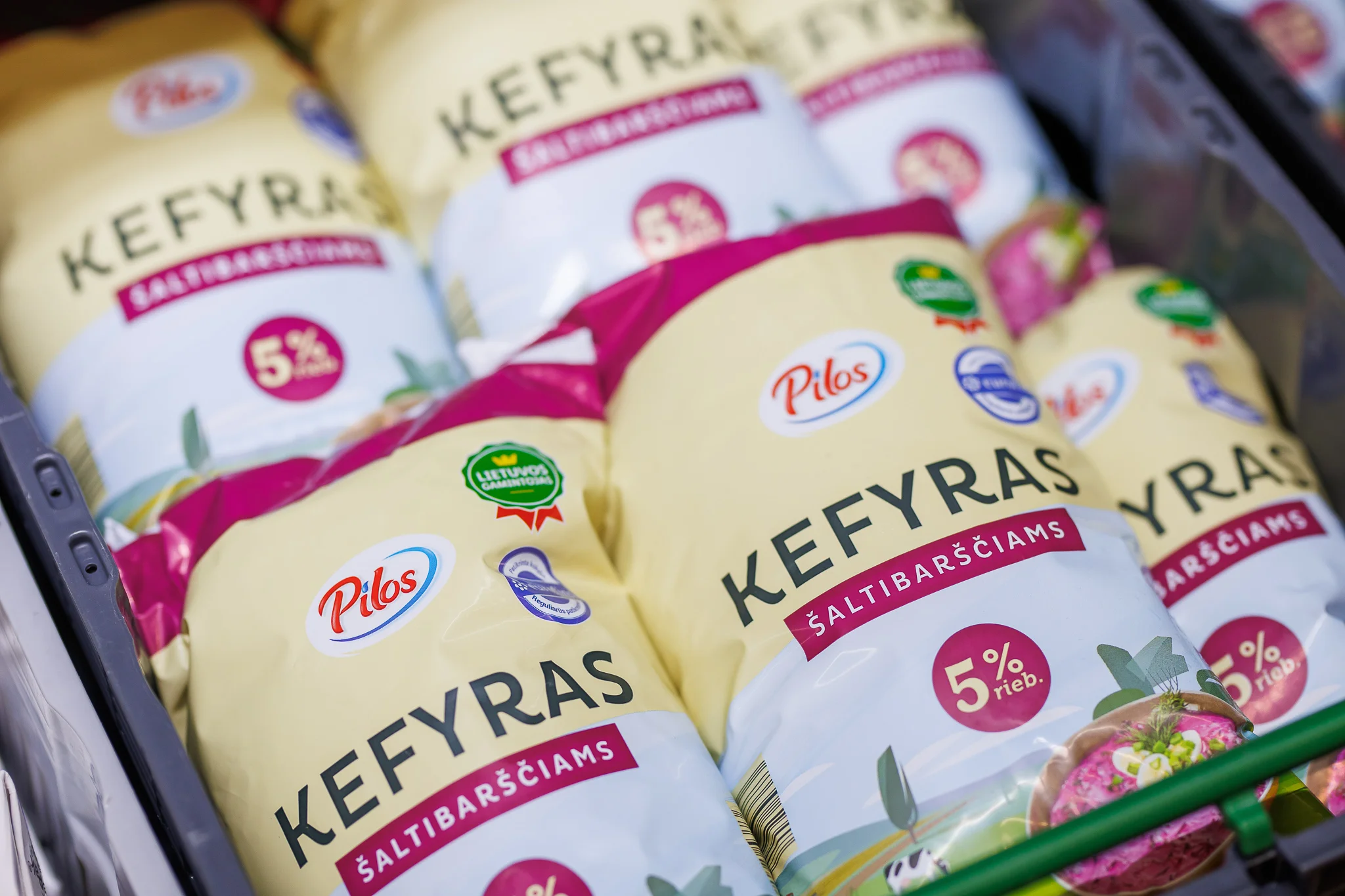
Lithuania’s embrace of private labels—such as Pilos (dairy), Milbona (cheese), and Parkside (tools)—is part of a broader European trend. Interestingly, the most active buyers of these products are not necessarily in the poorest regions, but in economically robust nations like Switzerland and Belgium.
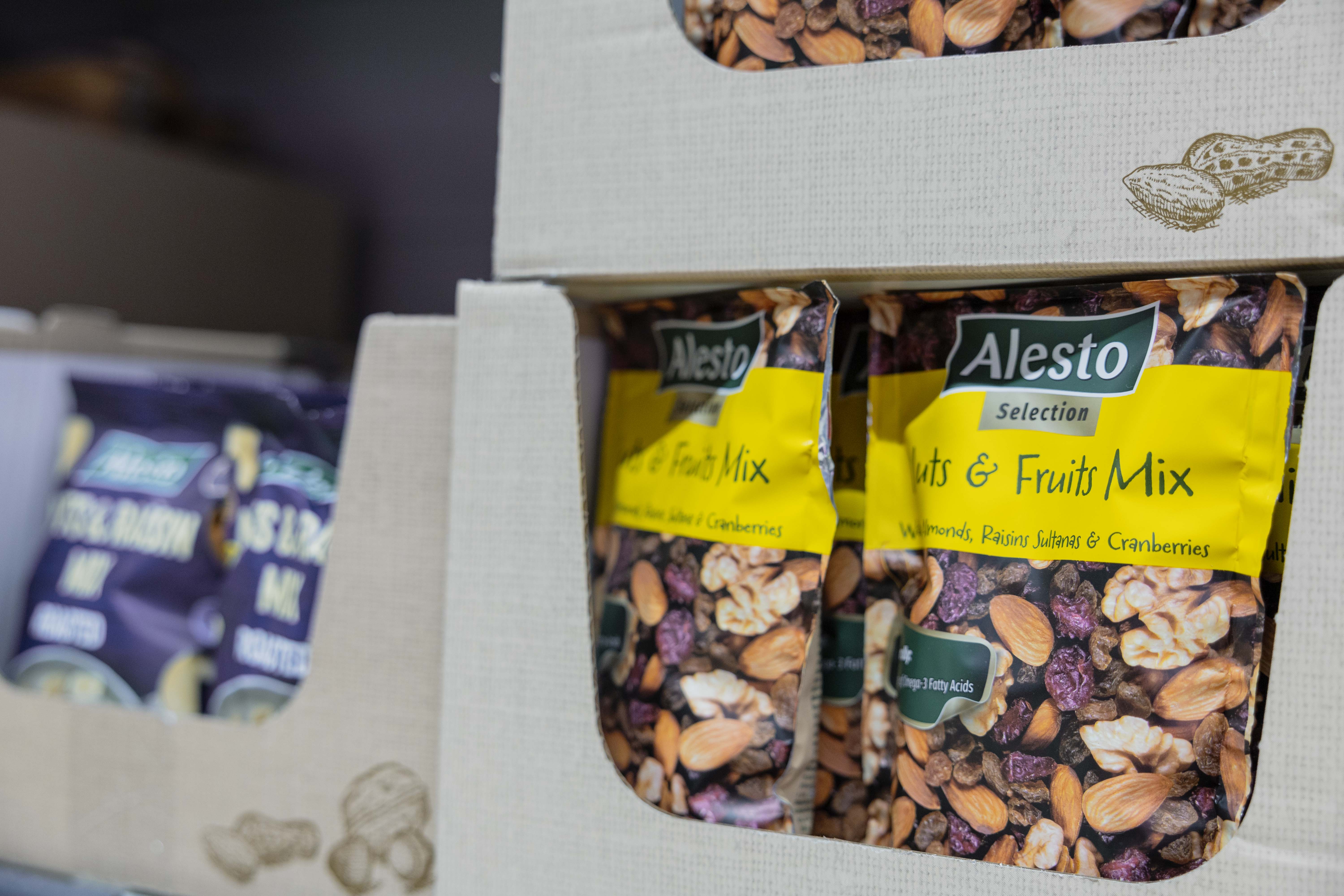
“The Swiss, despite their high standard of living, are extremely practical,” notes Bubnelis. “They prioritize the price-to-quality ratio. We are seeing that same pragmatism take root in Lithuania.”
By controlling the entire production process, retailers can experiment with sustainable ingredients and healthier compositions without the massive marketing overheads associated with global brands. This model has forced traditional competitors to adapt, leading to a more competitive market that benefits the consumer’s wallet.
Consumer Behavior and Quality Control
A critical factor in overcoming consumer skepticism was the implementation of international standards. For UK readers, it is worth noting that Lidl’s private-label manufacturers must adhere to the British Retail Consortium (BRC) standards or the International Featured Standard (IFS).
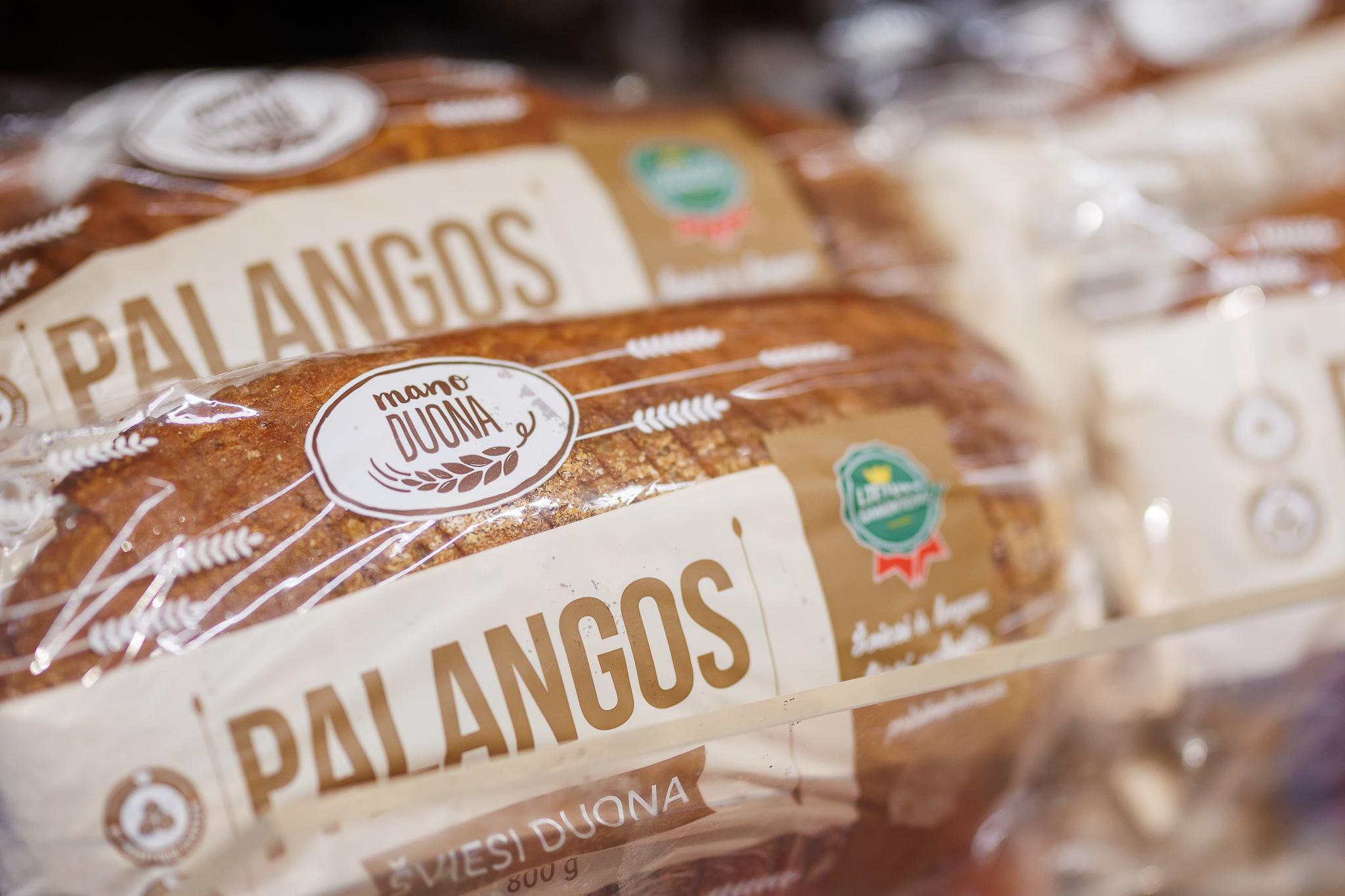
In Lithuania, the focus has also turned toward local sourcing. While the private label brands carry international names like “Pikok” or “Ballino,” the products themselves are often manufactured by well-known local giants like Rokiškio Sūris or Nematekas. This “local soul, international brand” strategy has bridged the gap between national pride and the need for affordability.
As the retail sector continues to evolve, the Lithuanian experience serves as a case study in how quickly consumer habits can pivot when quality is decoupled from a famous logo. For 73% of the country, the name on the box matters far less than the value inside it.
Original reporting by: infoerdve.lt
Source: ELTA