Wigan residents use creative health to combat isolation
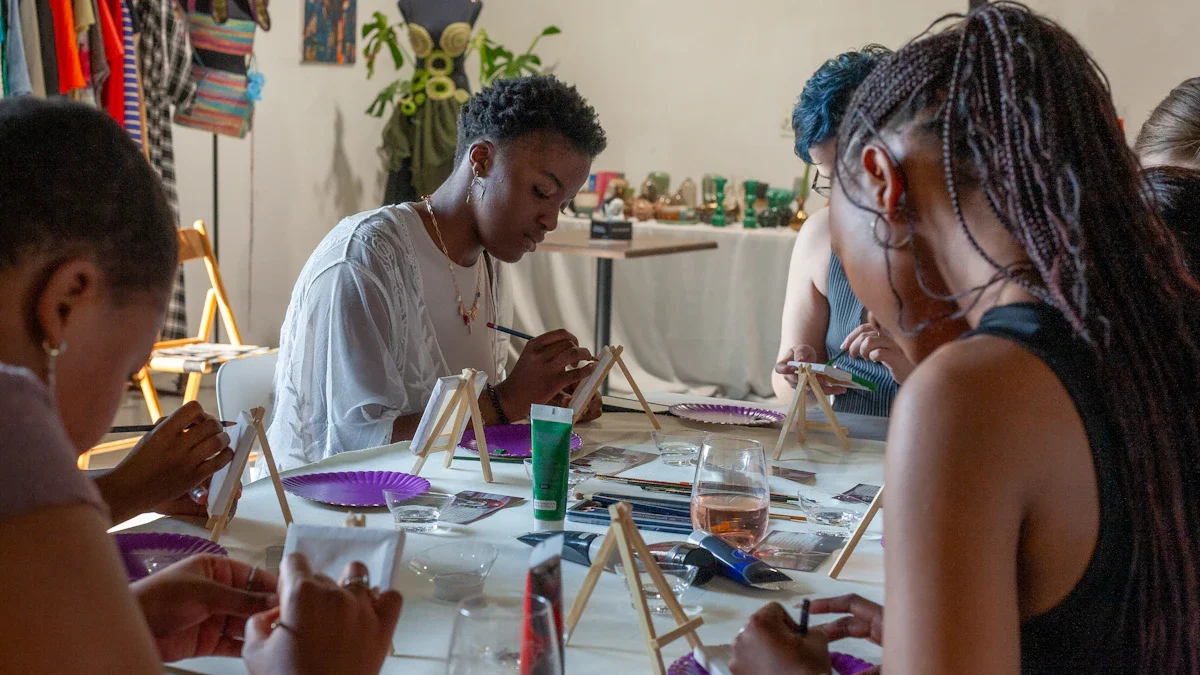
In the neighborhoods of Wigan, the prescription for long-term health is shifting from the pharmacy counter to the community hall. While the global conversation around medical innovation often centers on Artificial Intelligence and high-tech clinical interventions, local leaders are proving that human connection remains the most effective tool for wellbeing. This movement, known as ‘creative health,’ is no longer a peripheral experiment but a core strategy for the borough’s public health future.
Creative health operates at the intersection of arts, digital culture, and social wellness. It moves away from the traditional model of treating patients in isolation, focusing instead on the environments where people live, work, and socialize. By embedding creativity into the daily fabric of the community, the borough aims to address the root causes of physical and mental decline before they require emergency intervention.
Community groups drive mental health recovery across Wigan
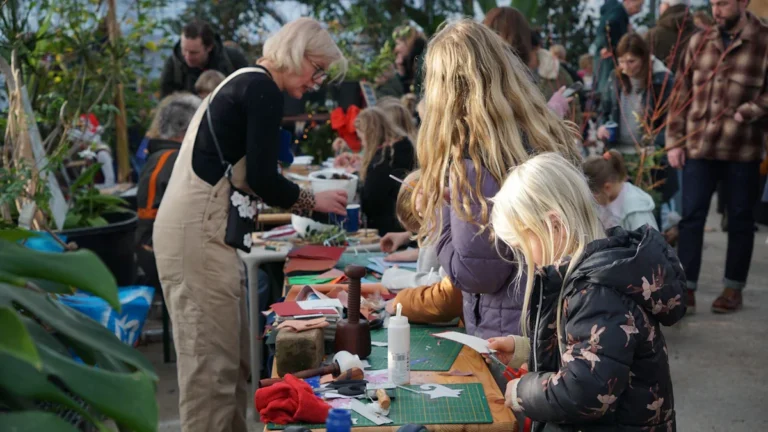
The practical impact of this approach is already visible in local centers. Community music groups are providing vital support for residents living with long-term physical conditions, while creative digital spaces offer a lifeline for those experiencing profound isolation. These initiatives do not replace technology; instead, they harness it. Digital tools are currently being used in local projects to help residents process complex trauma, loss, and life transitions.
Evidence from these programs suggests that Wigan residents benefit from creative health initiatives through the development of stronger social networks and increased personal resilience. Unlike clinical treatments that often focus on short-term symptom management, community arts foster a sense of purpose and agency. This shift is helping many individuals reduce their reliance on traditional health services by managing their conditions within a supportive peer environment.
Moving beyond clinical settings to neighborhood wellness
Traditional healthcare systems frequently struggle with complex, long-term mental health challenges that require time and trust—commodities often in short supply in busy clinics. Creative health succeeds here because it works with people rather than performing procedures on them. This philosophy aligns with the ‘Progress with Unity’ missions, which prioritize community-led solutions over top-down mandates.
One of the primary hurdles is how the system measures success. Clinical models prioritize immediate, quantifiable data, such as heart rate or blood sugar levels. However, the most significant benefits of creative health—such as a resident feeling more in control of their life or more connected to their neighbors—are harder to track in a spreadsheet. These ‘slower’ changes are essential for long-term resilience, similar to how enhanced family support services in other regions have shown that early, relationship-based intervention prevents systemic collapse.
Sustainable funding for local artists and community partners
For creative health to become a permanent fixture of the local landscape, it must move from being an ‘added extra’ to a core service. This requires a fundamental shift in how funding is allocated. Local artists and trusted community groups are the primary drivers of this work, yet they often face precarious financial cycles that favor short-term results over long-term relationship building.
Rachael Musgrave, Director of Public Health at Wigan Council, suggests that the question is no longer whether creative health works, but whether existing policies are flexible enough to sustain it. If the borough is to face the growing demand on public services, it must treat arts and culture organizations as equal partners in the healthcare ecosystem.
Investing in these local experts means trusting the people who understand their communities best. As the borough looks toward a more sustainable future, the integration of creativity into public policy remains a critical step in ensuring that health is defined by more than just the absence of illness, but by the presence of meaning and connection.
Source: Wigan Council