Bank of England June 2026 Rate Decision: Will Mortgage Rates Drop to 4%?
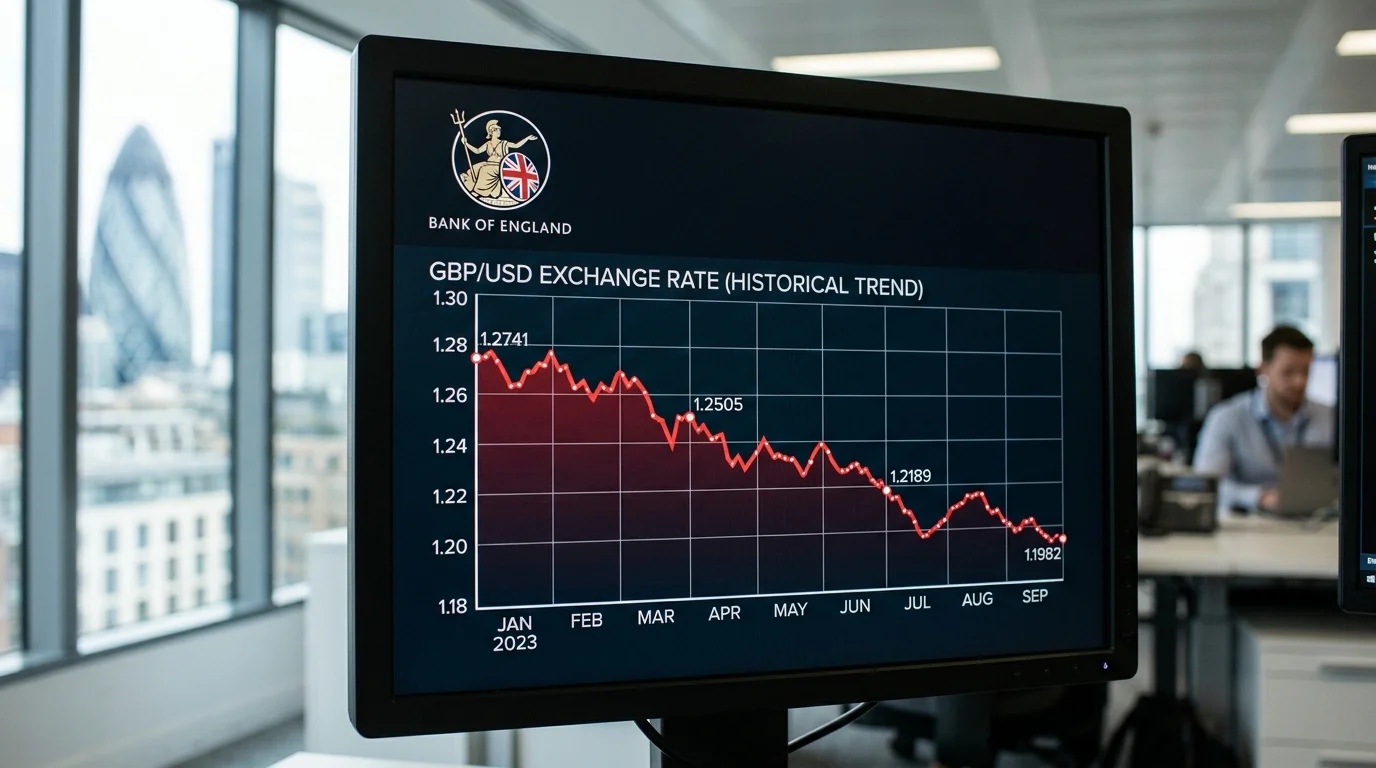
As of May 19, 2026, UK homeowners are facing a pivotal moment as the Bank of England (BoE) Monetary Policy Committee (MPC) prepares for its June interest rate announcement. Following a period of stubborn inflation in late 2025, recent Office for National Statistics (ONS) data released on May 15 showed April CPI inflation cooling to 2.3%. This marginal decrease has reignited hopes for a 25-basis-point cut from the current 4.25% base rate, a move that would provide immediate financial relief to approximately 2 million households currently on tracker or standard variable rate (SVR) mortgages. The upcoming June decision represents a critical psychological and financial threshold for the UK housing market.
Forecast Snapshot: June 2026 Interest Rate Decision
| Metric | Detail |
|---|---|
| Forecast Question | Will the Bank of England cut the base rate to 4.00% in June 2026? |
| Current Base Rate | 4.25% |
| Primary Deadline | June 2026 MPC Announcement Date |
| Resolution Source | Bank of England Official Bank Rate History |
| Expected Outcome | Binary (Yes: 4.00% or lower / No: 4.25% or higher) |
Economic Indicators Supporting a Rate Reduction
The case for a rate cut is bolstered by the latest ONS data, which indicates that the aggressive tightening cycle of previous years is finally curbing price growth. With inflation now at 2.3%, it sits just above the Bank of England’s 2% target. Economists advocating for a cut argue that maintaining a 4.25% rate risks over-correcting, potentially stifling economic growth as the UK enters the summer months. For the average borrower with a £250,000 mortgage, a drop to 4.00% could translate into savings of £40 to £60 per month, significantly boosting household disposable income during a period of high living costs.
Risks of Premature Easing Amid Summer Spending
Despite the cooling CPI, the MPC remains deeply divided. Several committee members have expressed concern regarding the “summer travel surge,” a seasonal spike in consumer spending on services and hospitality that could cause inflation to rebound. The memory of late 2025’s stubborn inflation remains fresh, and the “hawkish” faction of the committee may prefer to hold the rate at 4.25% until the full impact of the May inflation report—due just days before the June meeting—is analyzed. If service sector inflation remains high, the Bank may opt for stability over immediate relief, delaying any cuts until the August meeting.
The £60 Monthly Question for UK Homeowners
For those on fixed-rate deals expiring in 2026, the June decision is more than just a macroeconomic signal; it is a timing trigger. A move to 4.00% would likely lead to a downward repricing of five-year and two-year fixed products across the high street. However, if the Bank holds steady, lenders may maintain their current pricing, assuming that “higher for longer” remains the official stance. The psychological impact of the 4% barrier is significant, as it represents a return to what many analysts consider a “new normal” for the post-inflationary era.
| Mortgage Type | Current Estimated Impact (4.25%) | Potential Impact (4.00% Cut) |
|---|---|---|
| Tracker Mortgage | Immediate high monthly cost | Savings of ~£45/month |
| SVR Mortgage | Subject to lender discretion | Likely reduction of ~£55/month |
| Fixed-Rate (New) | Priced on swap market expectations | Potential for lower entry rates |
How the June 2026 Forecast Resolves
This forecast will be resolved based on the official “Bank Rate” announcement published by the Bank of England following the June 2026 Monetary Policy Committee meeting.
- YES: The Bank of England officially announces a base rate of 4.00% or lower.
- NO: The Bank of England maintains the base rate at 4.25% or announces an increase.
The resolution will rely solely on the public data provided by the Bank of England’s official newsroom and the ONS inflation summary for May 2026. Homeowners are advised to monitor the final inflation report due in the third week of June, as it will likely be the deciding factor for the MPC’s vote.
Source: Bank of England