Beyond the Office Party: Lithuania’s Shift to Civil Defense Training
In a modern office in Vilnius, the usual chatter of a team-building exercise has taken a sober, practical turn. Instead of the traditional trust fall or a cocktail-making masterclass, employees are huddled over a colleague, learning the precise tension required to apply a life-saving tourniquet. This shift from entertainment to survival skills is becoming the new hallmark of corporate culture in the Baltic states, as companies adapt to a reality defined by regional instability.
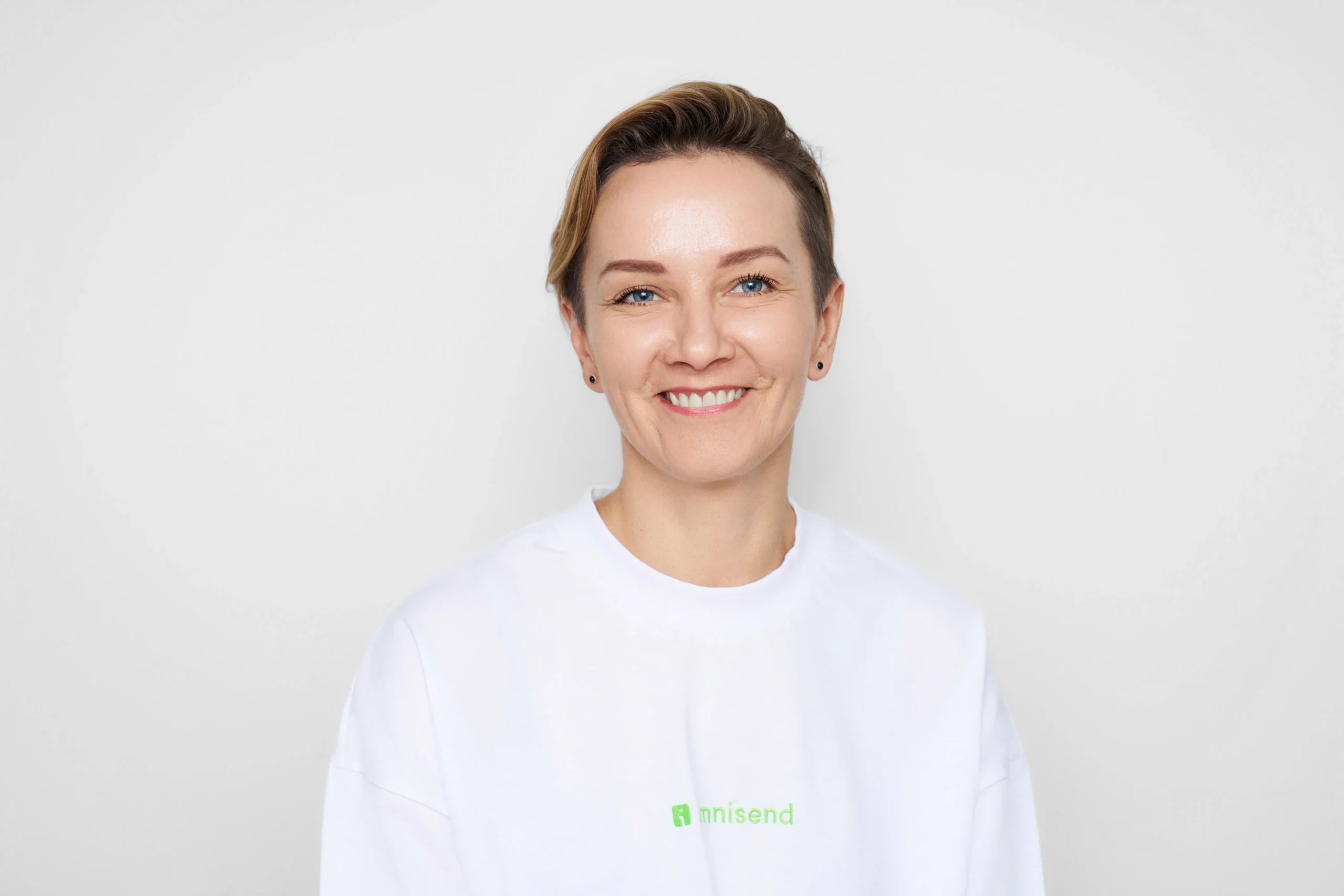
While summer parties remain a staple for many European firms, Lithuanian human resources experts argue that entertainment alone is no longer sufficient to maintain morale. In the current geopolitical climate, employees are seeking more than just inclusion; they are looking for a sense of agency and preparedness. According to Justina Raškauskienė, Head of HR at the global marketing automation firm Omnisend, activities focused on citizenship—such as first aid, civil defense, and resilience training—are proving to be more effective at bonding teams than traditional social gatherings.
Strengthening Resilience Through Practical Preparedness
The transition toward resilience-based training began in earnest following the full-scale invasion of Ukraine in 2022. Initially, corporate involvement was focused on external aid: transporting refugees or funding medical supplies. However, this has evolved into a more internal, skill-based focus. Raškauskienė notes that when employees learn how to act in a crisis, their anxiety regarding the geopolitical situation often decreases.
“When ‘Day X’ comes, everyone’s first concern will be their loved ones, colleagues, and community,” Raškauskienė explains. “The more people who can help each other and act in a calm, organized manner, the more resilient both society and business will be.” This philosophy suggests that a company’s strength is no longer measured solely by its balance sheet or physical infrastructure, but by the collective ability of its people to function under extreme pressure.
The Financial and Social Cost of Civil Engagement
This trend is not merely about occasional workshops; it is being integrated into the very structure of employment contracts. Many Lithuanian businesses are now offering additional paid leave for employees who serve in the National Defence Volunteer Forces or the Lithuanian Riflemen’s Union—a paramilitary non-profit organization supported by the state.
For the employer, this represents a cost equivalent to a standard holiday, but the return on investment is seen in the heightened sense of responsibility and leadership these employees bring back to the office. By supporting these roles, businesses are effectively subsidizing national security while fostering a workforce that is disciplined and capable of making decisions in high-stakes environments.
Furthermore, these initiatives have created a unique internal knowledge-sharing economy. Employees who are already members of civil defense organizations often lead sessions for their peers, sharing practical survival tips or explaining how to navigate civil emergency protocols. This peer-to-peer learning fosters a level of trust and mutual reliance that social events rarely achieve.
Navigating Geopolitical Anxiety in the Modern Office
The psychological impact of these programs is significant. In the UK and Western Europe, “wellness” often translates to mindfulness apps or gym memberships. In the Baltics, wellness is increasingly tied to the feeling of being prepared for the worst-case scenario. The physical act of learning a “safe side position” or understanding civil defense sirens provides a sense of control that mitigates the feeling of helplessness often triggered by the news cycle.
As these practices become more common, they are redefining what it means to have a “mature” corporate culture. Companies like Omnisend, which operates across Lithuania and the US, are finding that these values resonate even with international teams, highlighting a universal desire for safety and community in an era of global uncertainty. The traditional office party isn’t dead, but in Lithuania, it is being supplemented by a much more serious—and perhaps more necessary—form of team building.
Source: ELTA