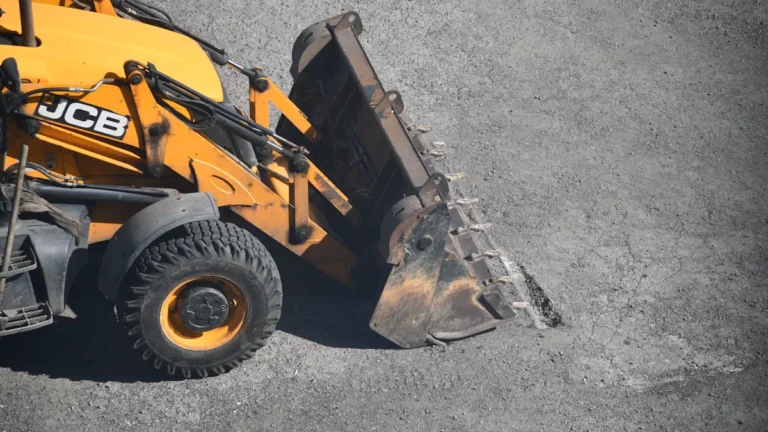
Glasgow drivers to see smoother commutes with £30m road repair
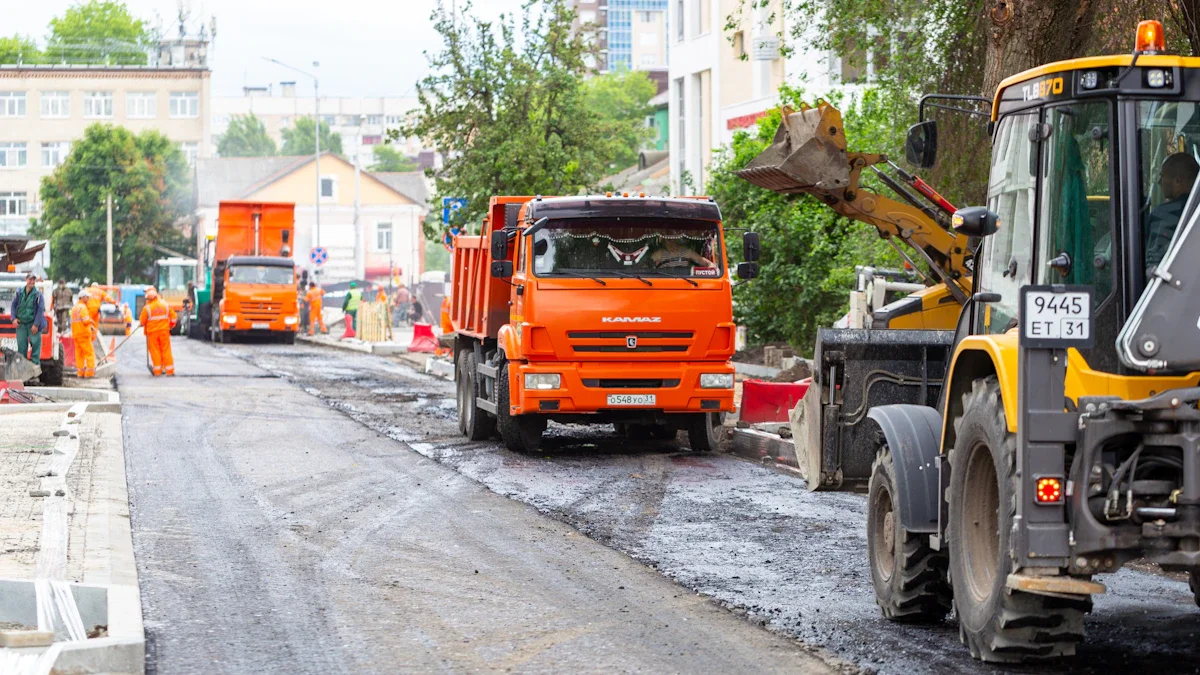
Glasgow’s primary road network is undergoing a significant transformation following the approval of contracts worth £30m. This funding is dedicated specifically to large-scale resurfacing projects designed to address long-standing wear and tear on the city’s busiest routes.
Multi-million pound investment targets city-wide repairs
The procurement process ensures that smoother road upgrades across the city can begin immediately. By targeting high-traffic areas, the programme aims to reduce vehicle maintenance costs for residents and improve overall road safety.
| Investment Metric | Project Details |
|---|---|
| Total Contract Value | Up to £30,000,000 |
| Geographical Scope | Glasgow City-wide |
| Implementation Focus | Major road resurfacing |
Long-term durability for urban infrastructure
Local commuters are expected to benefit from this extensive resurfacing project as the works move through different wards. The allocation of these contracts marks a shift toward proactive maintenance rather than reactive pothole filling. Engineering teams will deploy modern materials to ensure the new surfaces withstand the typical Scottish climate and heavy freight traffic.

Contractors will be held to strict quality standards to ensure the longevity of the repairs. This phased approach allows for minimal disruption while ensuring the most degraded sections of the network receive priority attention. Major Contracts Awarded For City Wide Resurfacing Programme will be managed to ensure maximum efficiency across all districts.
Frequently Asked Questions
Why is Glasgow shifting to a £30m resurfacing programme rather than just patching potholes?
This investment marks a move from reactive maintenance (temporary pothole fixes) to proactive infrastructure management. By resurfacing entire stretches of the primary road network, the council aims to create a durable foundation that can withstand heavy freight traffic and the Scottish climate. This reduces the need for frequent, disruptive emergency repairs and extends the overall lifespan of the city’s transport arteries.
How can I find out if my commute or local street is scheduled for resurfacing?
The project uses a phased rollout prioritized by ‘degradation assessments’ and traffic volume. To track specific updates for your ward, you should check the Glasgow City Council Roadworks Map or monitor Traffcom bulletins. Because these contracts are awarded for immediate implementation, residents will see signage appearing on high-traffic routes several days before work begins in each specific district.
What direct impact will these road upgrades have on my daily driving costs?
Beyond a smoother journey, the primary benefit for local drivers is a significant reduction in vehicle wear and tear. High-quality resurfacing minimizes the risk of tyre blowouts, alloy wheel cracks, and suspension damage—common issues caused by degraded urban surfaces. Additionally, modern road materials provide better water drainage, which improves braking distances and safety during heavy rain.
Where is the best place to get real-time updates on Glasgow’s roadwork progress?
For the latest milestones and local impact reports, stay tuned to the hiyastar.co.uk Glasgow news section. For live traffic diversions and active site locations, you can consult the Scottish Road Works Commissioner’s Register. It is also recommended to follow local ward councillors on social media, as they often provide specific ‘hyper-local’ timelines for neighbourhood-level resurfacing phases.
Source: Glasgow City Council