Latvia Pension Reform: Everything You Need to Know About the 2nd-Pillar Withdrawal Initiative

A significant legislative initiative has been launched in Latvia that could fundamentally alter how citizens manage their retirement savings. The Central Election Commission (CVK) has officially registered a draft law titled “Amendments to the State Funded Pension Law,” which proposes allowing residents to access their 2nd-pillar pension capital before reaching the official retirement age.
This guide explains the proposed changes, who is eligible to support the initiative, and the practical steps required to cast your signature.
Context: What is the 2nd-Pillar Pension System?
Latvia’s pension system is built on three tiers. The 2nd pillar, or the state-funded pension scheme, is a mandatory program where a portion of an individual’s social security contributions is invested in the financial markets through various investment plans. Currently, this capital is generally inaccessible until the individual reaches the legal retirement age, at which point it is added to the 1st-pillar pension or used to purchase a life insurance policy.
The new proposal, submitted by the political party “Latvia First” (Latvija pirmajā vietā), seeks to grant participants more autonomy over these funds. The core argument behind the amendment is to provide financial flexibility for citizens, allowing them to withdraw their accumulated capital—either partially or in full—under specific circumstances before retirement.
The Proposed Changes
The draft law aims to introduce more liberal rules regarding the management of funded pension capital. If passed, the amendments would:
* Allow 2nd-pillar participants to request a payout of their accumulated capital before retirement.
* Provide options for both full and partial withdrawals.
* Establish specific criteria or “cases” where such withdrawals would be permitted, though the exact regulatory framework would be finalized during the parliamentary process.

How to Sign the Initiative
For the proposal to move forward to the Saeima (the Latvian Parliament), it must first gather a specific number of signatures from the electorate. The signature collection period is officially set to run from May 7, 2026, to May 6, 2027.
Eligibility
To participate in the signing process, you must be:
* A citizen of Latvia.
* At least 18 years of age at the time of signing.
Methods of Signing
There are two primary ways for eligible citizens to support the initiative:
- Electronic Signing: This is the most convenient method. Citizens can sign via the official portal Latvija.lv. You will need to authenticate your identity using a secure electronic signature, eID card, or through your internet bank.
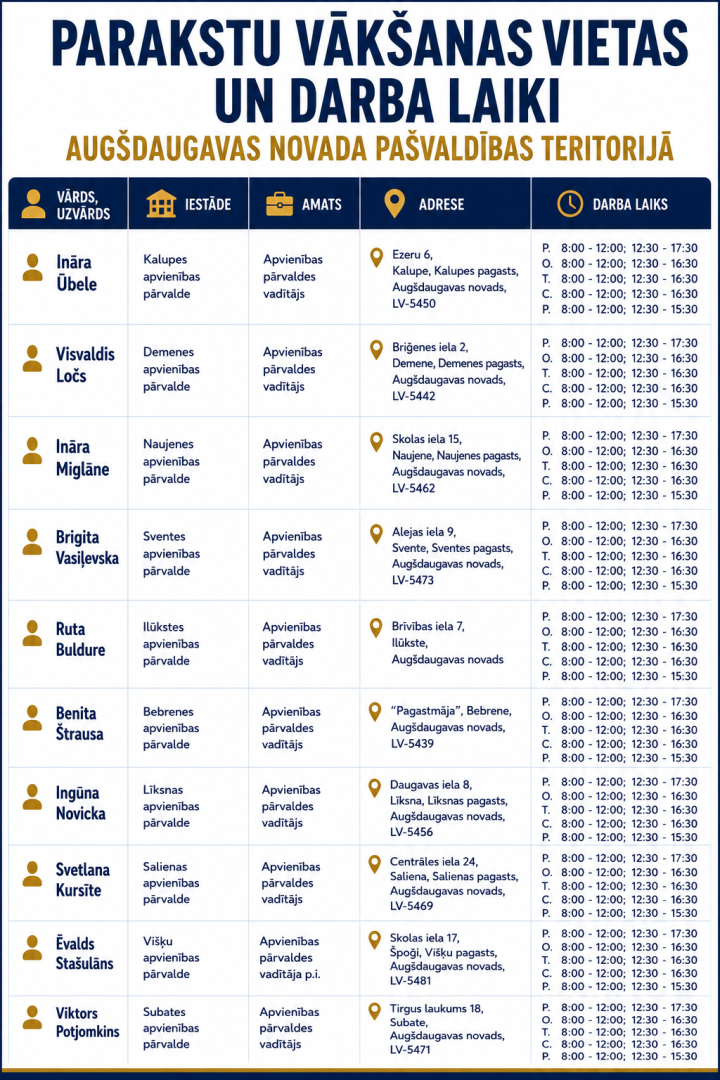
- In-Person Signing: For those who prefer or require physical signing, designated locations are available across various municipalities. For instance, in the Augšdaugava region, residents can visit local administration offices. It is important to note that the certification of a signature at municipal institutions for this purpose is free of charge.
Detailed information regarding the locations and working hours for physical signing can be found on the Central Election Commission’s website or your local municipality’s official page.
What Happens Next?
According to Latvian law, for a citizen-led initiative to be considered by Parliament, it must be signed by at least one-tenth of the total number of eligible voters (approximately 155,000 signatures).
If the threshold is met within the one-year window, the Central Election Commission will verify the signatures and submit the draft law to the President of Latvia, who then presents it to the Saeima. If the Saeima rejects the proposal or amends it significantly, a national referendum may be triggered.
Residents are encouraged to review the full text of the draft law on the CVK website to understand the long-term implications for their personal financial security and the national economy before deciding to support the measure.
Source: Augšdaugavas novada pašvaldība