Latvia’s 72-Hour Rule: A Masterclass in National Civil Resilience
In an era defined by shifting geopolitical landscapes and unpredictable global crises, the Republic of Latvia has emerged as a leader in the field of civil defense. Central to this strategy is the official security portal, Sargs.lv, which serves as the primary repository for verified information on national safety and crisis management. Far from being a mere news site, the platform represents a fundamental shift in how modern states approach the concept of total defense: by empowering the individual citizen.
The Lead: The Philosophy of Self-Reliance
At the heart of Latvia’s civil defense strategy is a sobering but practical principle: the state cannot be everywhere at once during the initial hours of a major crisis. Whether facing a natural disaster, a large-scale technological failure, or a military threat, the first 72 hours are considered the most critical. During this window, emergency services and the military must prioritize high-level logistics and the protection of critical infrastructure.
Consequently, the Latvian government has institutionalized the “72-hour rule.” This directive encourages every resident to be entirely self-sufficient for at least three days. By ensuring that the general population is prepared to handle their own basic needs—food, water, and safety—the state can more effectively direct its resources toward those in immediate, life-threatening danger.
Local Impact: Practical Preparedness for the Modern Citizen
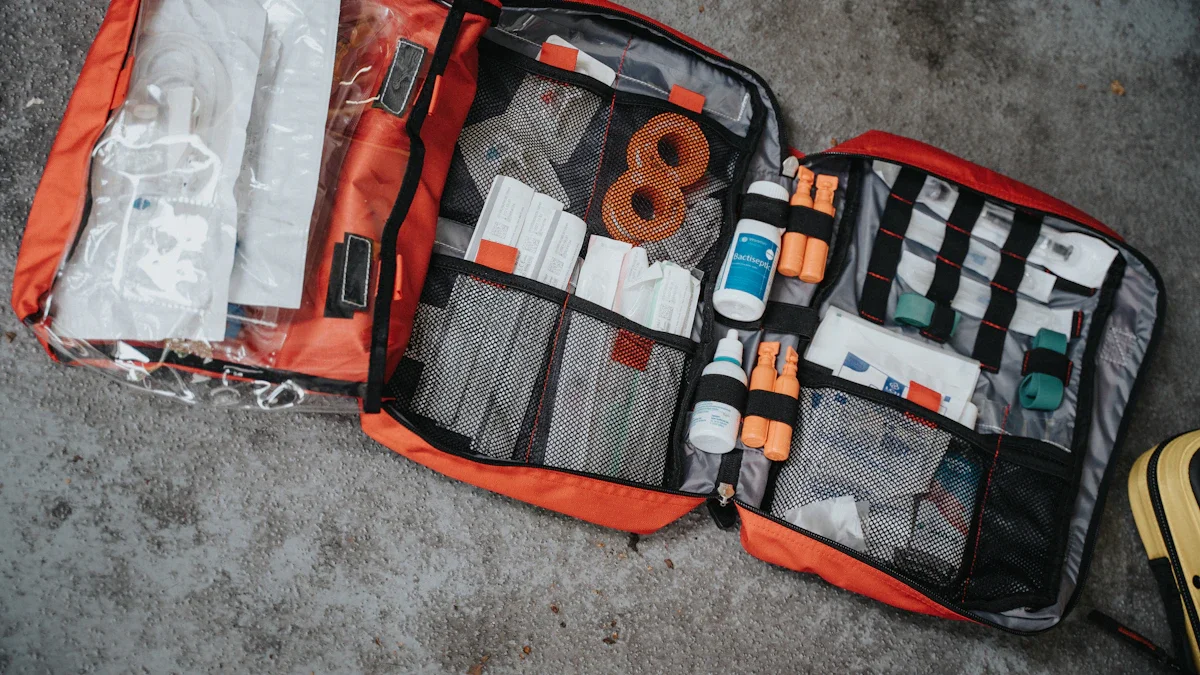
For the average person living in Latvia, this philosophy translates into a series of practical, actionable steps. The Sargs.lv portal provides comprehensive guides on creating a “72-hour bag”—an emergency kit containing essential supplies such as non-perishable food, water purification tablets, a battery-powered radio, and necessary medications.
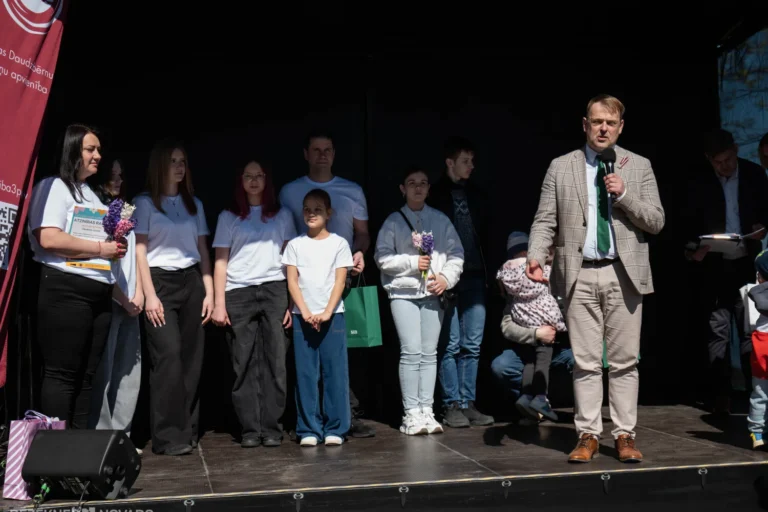
Beyond the physical kit, the portal emphasizes the importance of a “Family Plan.” This includes pre-determined meeting points if communication networks fail and specific roles for family members. The impact of this initiative is a more resilient society where panic is replaced by protocol. Local municipalities, such as Valmiera, have actively integrated these guidelines into their local governance, ensuring that the message of civil defense reaches even the most remote communities.
Context: A Regional Response to Global Uncertainty
Latvia’s approach does not exist in a vacuum. It is part of a broader trend across the Baltic and Nordic regions. Similar to Sweden’s “If Crisis or War Comes” brochure, Latvia’s Sargs.lv utilizes modern technology to reach its audience. This includes a sophisticated early warning system known as cell broadcasting (shūnapraide), which can send targeted alerts to mobile phones in specific geographic areas without requiring a dedicated app.
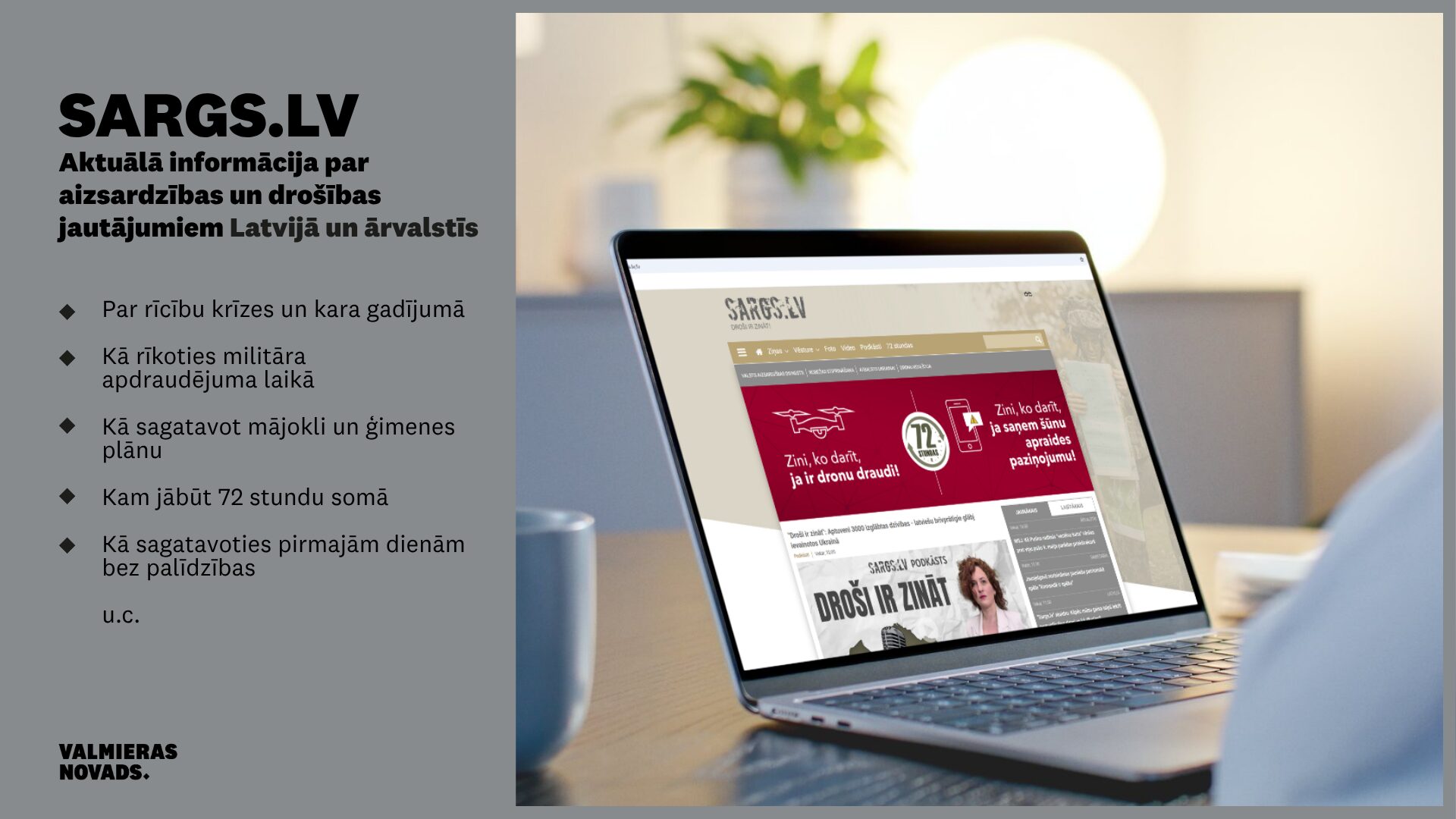
This focus on resilience is a direct response to the lessons learned from recent regional conflicts and the increasing frequency of hybrid threats. By demystifying the mechanics of national defense through podcasts, expert interviews, and instructional videos, the Latvian Ministry of Defence is fostering a culture of transparency and readiness that serves as a blueprint for other European nations.
What Next: Strengthening the Digital Shield
As the digital landscape evolves, so too does the Sargs.lv platform. The site continues to integrate with other essential services, such as the “112 Latvija” mobile app and the public broadcasting portal LSM.lv. For those looking to bolster their own personal security, the portal offers a wealth of resources that are universally applicable:
- Home Hardening: Steps to secure your residence against various threats.
- Information Hygiene: How to identify and ignore disinformation during a crisis.
- Evacuation Protocols: Detailed instructions on when and how to leave a danger zone safely.
By visiting Sargs.lv or the “Civil Defense” sections of local municipal websites, residents and international observers alike can gain a deeper understanding of what it means to be truly prepared in the 21st century.
Original reporting by: ikdiena.lv
Source: Valmieras novads