Latvia Border Drone Alert: NATO Ally Responds to Aerial Incidents
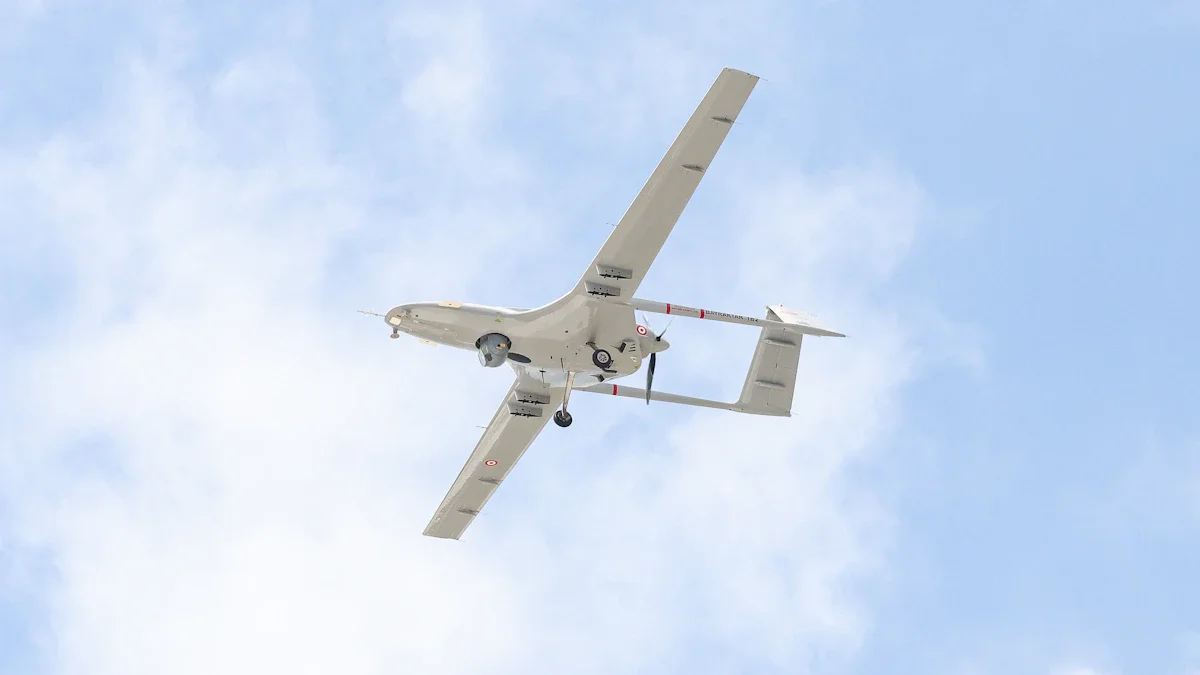
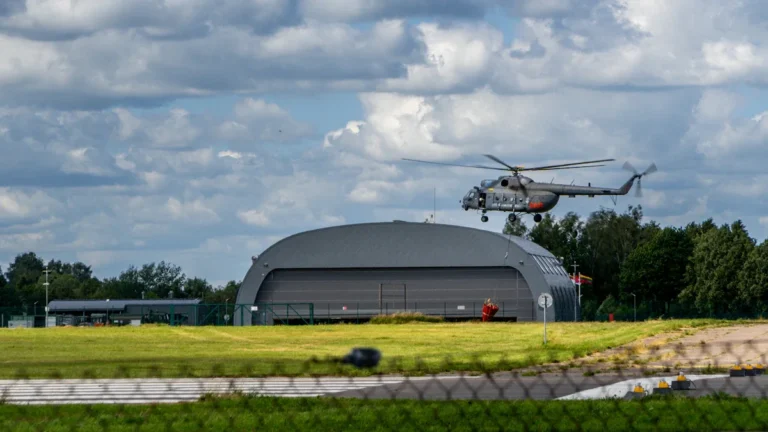
Latvia’s eastern border, which serves as a critical frontier for both the European Union and NATO, was placed on alert this morning following a series of drone-related incidents. While local authorities have since declared the situation controlled, the event highlights the growing frequency of aerial provocations on the alliance’s eastern flank.
Latvian National Armed Forces and emergency services were deployed early this morning to manage what officials described as “several drone incidents.” While the specific origin of the drones was not explicitly detailed in the initial security briefing, the location—Latvia’s eastern border—places the events directly in a region of heightened geopolitical sensitivity.
Civil Defense in the Age of Hybrid Threats
For UK observers, this incident is part of a broader pattern of “hybrid” security challenges facing the Baltic states. Similar to recent events in Poland and Romania, where unidentified aerial vehicles have crossed into NATO airspace, the Latvian response emphasizes public composure and civil defense.
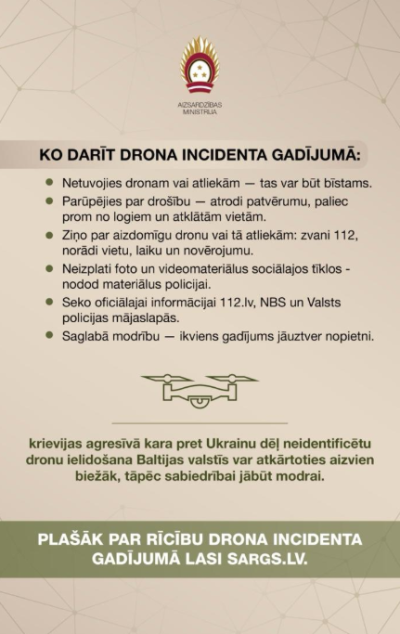
Latvian authorities issued specific protocols for residents in the border regions, which serve as a modern blueprint for civilian conduct during such incursions:
* Avoid Interaction: Residents are warned not to approach or touch any downed or suspicious objects.
* Shelter Protocols: If a drone is spotted, locals are advised to stay indoors and secure windows and doors.
* Information Hygiene: A strong emphasis was placed on not sharing real-time footage or unverified videos, a move designed to prevent the spread of panic and to deny potential adversaries real-time intelligence on military responses.
The Global Context
The proliferation of low-cost drone technology has transformed border security from a purely military concern into a daily civilian reality. In Latvia, as in the UK, drones are widely used for legitimate commercial and recreational purposes. However, the proximity to the Russian and Belarusian borders adds a layer of national security urgency to any unidentified flight.
Latvian officials have urged citizens to ensure their mobile devices are updated to receive cell broadcast alerts, a technology increasingly vital for rapid-response communication in high-tension zones. As the situation stabilizes, the focus remains on maintaining a “calm and responsible” assessment of the security environment, a stance that NATO allies continue to monitor closely.
Original reporting by: ikdiena.lv
Frequently Asked Questions
Why are drone incursions on Latvia’s border considered ‘hybrid’ security threats?
These incidents are classified as hybrid threats because they blend conventional military tactics with non-military disruption. Unlike traditional aircraft, low-cost drones allow adversaries to test NATO’s response times, gather intelligence, and create civilian anxiety without triggering a full-scale kinetic conflict. This strategy forces Latvia and its allies to maintain a constant state of high alert for small-scale, ambiguous incursions.
What should I do if I encounter a downed drone or suspicious aerial activity?
If you spot a suspicious drone or find a downed object, follow these three actionable steps:
* Maintain Distance: Do not touch or approach the object, as it may contain hazardous materials or remain electronically active.
* Seek Shelter: Move indoors immediately and secure windows to protect against potential debris or surveillance.
* Official Reporting: Contact local emergency services or the National Armed Forces via official channels rather than notifying the public first.
Why is ‘Information Hygiene’ critical during a border drone incident?
Latvian authorities emphasize Information Hygiene to prevent the accidental leakage of military intelligence. Sharing real-time videos or photos of drone locations and military movements provides ‘Open Source Intelligence’ (OSINT) that adversaries can use to adjust their flight paths or gauge the effectiveness of local jamming technology. Keeping footage off social media protects the location and strategy of responding security forces.
How will NATO’s border security change following these repeated drone alerts?
Moving forward, expect a shift toward Integrated Air and Missile Defense (IAMD) systems specifically designed for low-altitude threats. This includes the deployment of more electronic warfare (jamming) units and the integration of civilian-military communication networks. For the UK and other NATO allies, this signifies a long-term transition where ‘border security’ is no longer just about personnel, but about managing 24/7 autonomous aerial surveillance.
Source: Tukuma novada dome