Latvia Issues Urgent Frost Warning: Late Spring Freeze Threatens Gardens
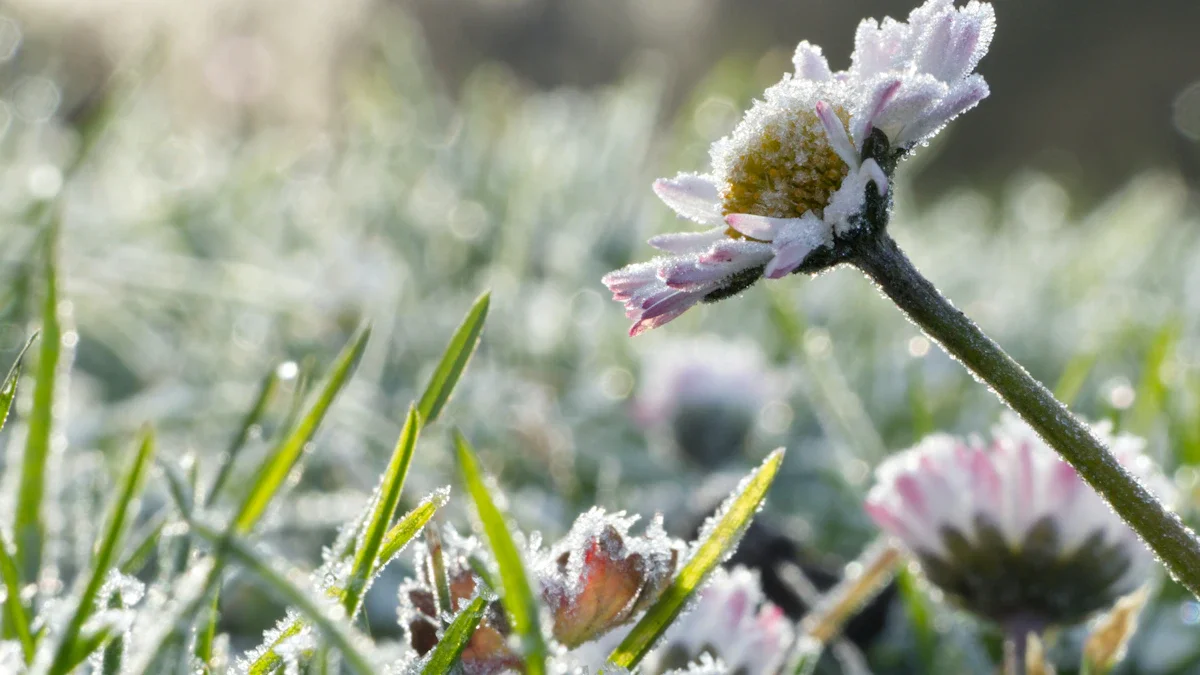
Late Spring Freeze Hits the Baltic Region
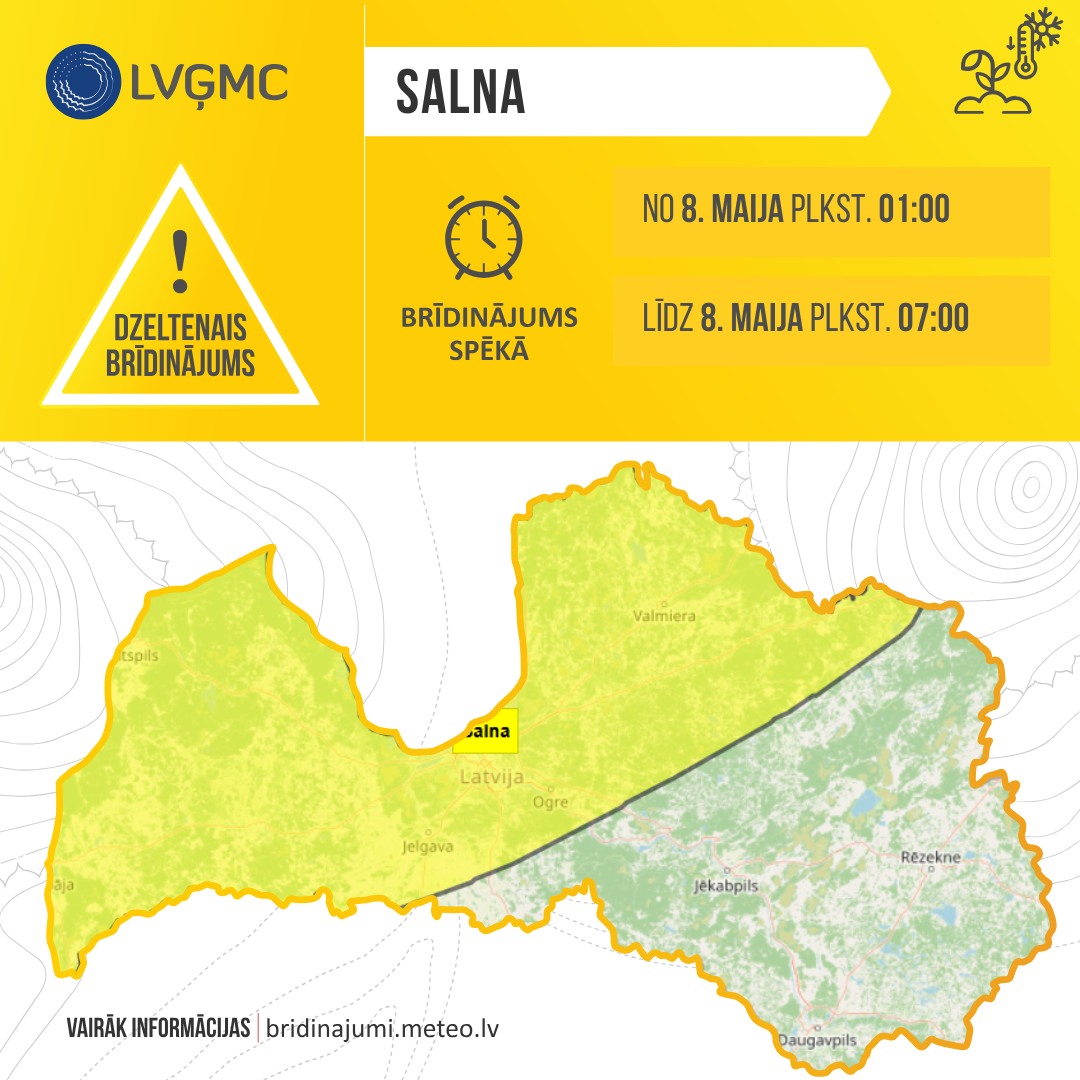
Gardeners and agriculturalists across Latvia are on high alert this week as the Latvian Environment, Geology and Meteorology Centre (LVGMC) issued a yellow-level warning for frost. While May is typically a month of rapid growth and blooming across Northern Europe, a sudden dip in temperatures is threatening to damage vulnerable plants and early-season crops.
The warning, which specifically highlights the Jelgava territory and surrounding regions, indicates that temperatures are expected to plummet during the late night and early morning hours. For those with interests in the region or travelers currently visiting the Baltic states, this serves as a critical reminder of the volatility of spring weather in the high latitudes.
Warning Details: What to Expect
The yellow alert is officially in effect from 1:00 AM to 7:00 AM on May 8th. Meteorological forecasts indicate that while the general air temperature will hover around the freezing mark (0°C), the temperature at the grass surface is expected to drop further, reaching lows of 0°C to -2°C.
In the Baltic meteorological system, a yellow warning signifies that weather conditions are potentially dangerous. While the phenomenon is not uncommon for early May, the specific timing—occurring after a period of relative warmth—increases the risk to vegetation that has already begun its spring growth cycle. Authorities have noted that the warning area and the severity level may be updated as the cold front progresses, urging residents to stay informed through official channels.
The Science of the Late Spring Frost
This late-season chill is often referred to in various European cultures as the period of the “Ice Saints.” It occurs when cold Arctic air masses sweep southward, displacing the milder spring air. For the UK reader, this phenomenon is strikingly similar to the sudden May frosts that can devastate apple blossoms and tender bedding plants in British gardens. In Latvia, where the continental influence is stronger, these temperature swings can be even more dramatic, making the transition from spring to summer particularly hazardous for the agricultural sector.
Actionable Advice: Protecting Your Garden
For those managing gardens or smallholdings in the affected areas, immediate action is required to mitigate the impact of the sub-zero ground temperatures. Experts suggest several proven methods to protect frost-sensitive species:
- Covering Plants: Use horticultural fleece, old blankets, or even cardboard boxes to create a thermal barrier. It is essential to ensure the covering does not touch the foliage directly if possible, and it must be removed in the morning once temperatures rise to allow for ventilation.
- Evening Watering: Damp soil absorbs more solar radiation during the day and releases it more slowly at night than dry soil. Lightly watering your garden on the evening before a predicted frost can raise the ambient temperature around the plants just enough to prevent cell damage.
- Mulching: A thick layer of organic mulch can help insulate the root systems of perennials and shrubs, protecting the most vital parts of the plant from the freezing surface temperatures.
- Potted Plants: The simplest solution for container-grown plants is to move them into a greenhouse, shed, or unheated porch for the duration of the alert.
Staying Informed
As weather patterns remain unpredictable, the LVGMC encourages everyone to monitor real-time updates. Accurate, localized data is vital for making informed decisions regarding crop protection and travel safety. Residents and visitors can follow the latest developments and view interactive warning maps at the official Latvian meteorological site: bridinajumi.meteo.lv.
While the frost is expected to be short-lived, the damage it can cause in just a few hours can last an entire growing season. Vigilance remains the best tool for any gardener facing the final gasps of winter.
Original reporting by: ikdiena.lv