Lithuania Grants National Protection to Secret Partisan Graves
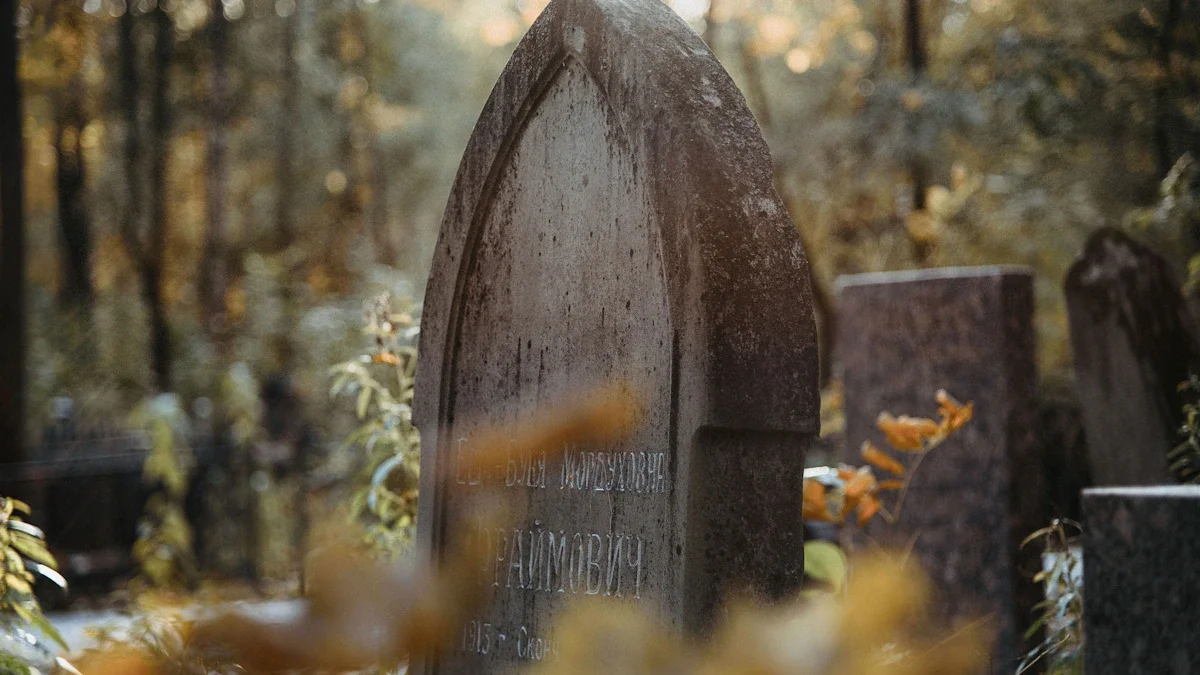
In the quiet corners of the Ančiškiai village cemetery in northern Lithuania, several graves have long held secrets that the Soviet regime once tried to erase. For decades, these burial sites were unmarked or disguised as ordinary family plots to protect the remains of resistance fighters from desecration. This week, the Lithuanian Department of Cultural Heritage officially brought these shadows into the light, granting national protection status to the graves of several partisans who fell during the country’s post-war struggle for independence.
The decision by the Assessment Council of the Department of Cultural Heritage recognizes the graves as sites of national significance. By establishing formal boundaries and defining their historical and memorial value, the state ensures that the stories of the men buried there—many of whom were tortured or killed by the NKVD—will be preserved for future generations. This move is part of a broader national effort to document the ‘Forest Brothers’ resistance, a decade-long guerrilla war against Soviet occupation that remains a cornerstone of modern Lithuanian identity.
The Secret Burials of Ančiškiai
Among the newly protected sites are the final resting places of men like Feliksas Budriūnas and Stasys Tarvydas. In February 1945, these two young men were killed during a fierce engagement with NKVD forces in the Leliškiai forest. Fearing that the Soviet authorities would seize and display the bodies as a warning to others—a common practice at the time—their comrades and relatives secretly transported them to the Ančiškiai cemetery. They were buried within the Mikėnai family plot, but their names were never carved into the stone. For over 80 years, they remained anonymous to the casual observer, protected only by the silence of the local community.
Similarly, the grave of Juozas Tarvydas tells a harrowing story of the risks faced by those who supported the resistance. A member of the Kazys Morkūnas partisan unit, Tarvydas was captured in 1946 after a surprise raid on a farmstead where his unit was resting. He was taken to the nearby town of Vabalninkas, where he died under interrogation. Like many of his brothers-in-arms, he was buried clandestinely in a family grave to prevent his resting place from being targeted by the regime.
Leaders and Martyrs of the Resistance
The heritage council also granted protection to the graves of Juozas Aukštikalnis (codenamed Sukilėlis) and Valentinas Navakas. Aukštikalnis was a highly educated leader—a graduate of the Military School and the Dotnuva Agricultural Academy—who turned to the forests after escaping Soviet imprisonment in 1944. He organized and led a partisan unit until he was mortally wounded in a battle in June 1945.

His comrade, Valentinas Navakas, met an even more brutal end. After being wounded in the same battle, Navakas was hidden and treated by a local farmer, Antanas Aukštikalnis. Following a betrayal, Soviet ‘stribai’ (local paramilitary units) raided the farm, arresting both the wounded partisan and the farmer who sheltered him. Two days later, local children discovered their bodies in a nearby forest; the farmer had been shot, and the partisan had been tortured to death. They were eventually laid to rest in Ančiškiai, where their graves now stand as official monuments to the cost of resistance.
Preserving the Map of Memory
For the Biržai district, these designations are more than just bureaucratic formalities. They represent a formal integration of local oral histories into the national record. In many cases, the physical monuments at these sites currently only list family members who died of natural causes, or they list only one of the several partisans buried within. The new legal status allows for the eventual installation of proper memorial plaques and ensures that the land cannot be repurposed or the graves disturbed.
This initiative reflects a growing trend across the Baltic states to formalize the geography of the resistance. As the generation that witnessed these events passes away, the physical markers in small village cemeteries like Ančiškiai become the primary evidence of a conflict that was often fought in the shadows. By elevating these graves to the level of national heritage, Lithuania is ensuring that the map of its independence struggle remains intact, even in its most remote corners.
Source: Biržų rajono savivaldybė