Lithuania Launches €1.2M Project to Train 20,000 Citizens in First Aid
In an era where rapid response can mean the difference between life and death, Lithuania is taking a proactive stance on public safety. The National Public Health Centre (NVSC), under the Ministry of Health, has announced a major initiative aimed at transforming the average citizen into a capable first responder. With a budget exceeding €1.1 million, the project aims to equip 20,000 residents with the practical skills and psychological confidence needed to act during the critical first minutes of an emergency.
This large-scale educational drive is not merely about ticking boxes; it is a strategic move to increase national resilience. By targeting citizens aged 16 and older, the program ensures that a significant portion of the active population is prepared to handle everything from domestic accidents to large-scale crises. The curriculum focuses on four pillars of emergency response: stopping life-threatening bleeding, performing cardiopulmonary resuscitation (CPR), preventing choking, and providing psychological first aid.
Essential Life-Saving Skills for the Modern Citizen
The core of the training focuses on physical interventions that must be performed before professional medical teams arrive on the scene. Health officials emphasize that the “golden minutes” following a cardiac arrest or severe injury are the most vital. Laimutė Vaidelienė, the Vice-Minister of Health, noted that many residents currently lack the confidence or technical knowledge to step in during these moments.
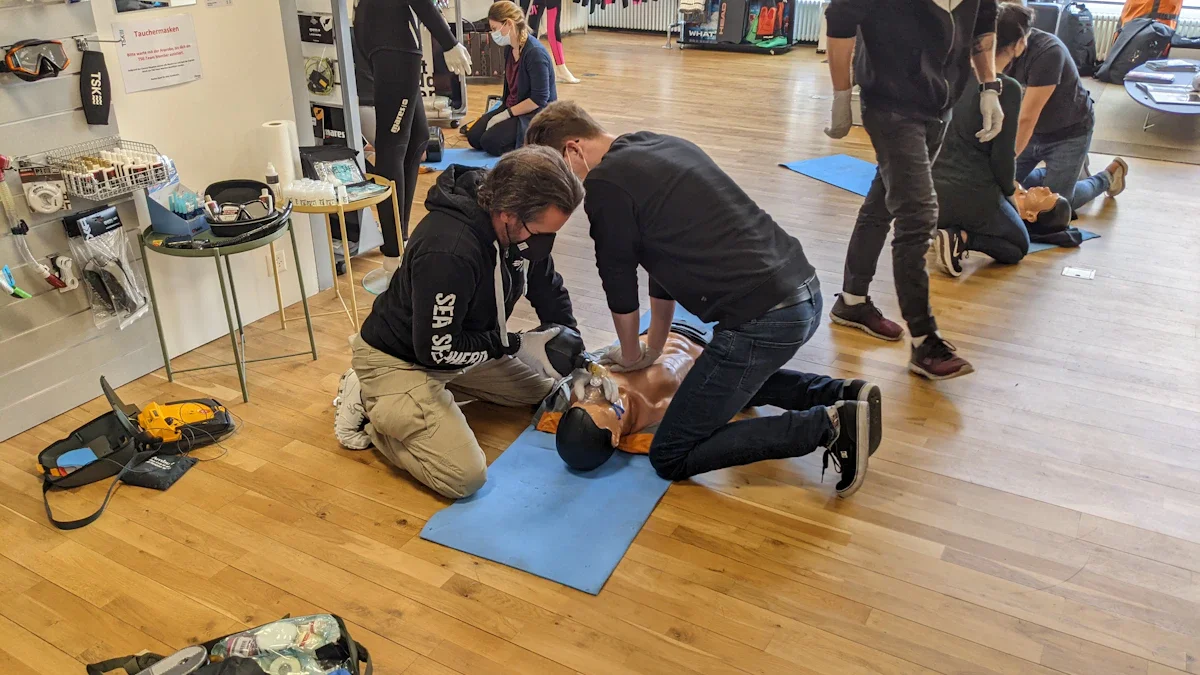
The training is designed to be hands-on, moving beyond theory to ensure participants can effectively assess a situation, call for emergency services, and perform high-quality chest compressions or apply pressure to a wound. By demystifying these procedures, the NVSC hopes to reduce the “bystander effect,” where witnesses hesitate to help due to fear of making a mistake.
Beyond Physical Aid: The Importance of Psychological Support
One of the more innovative aspects of this Lithuanian initiative is the inclusion of psychological first aid. In the aftermath of a traumatic event, the mental state of victims and witnesses can be just as critical as their physical condition. Panic, disorientation, and acute stress can hinder rescue efforts and lead to long-term psychological trauma.
Participants in the program will learn to recognize emotional distress signals and apply stabilization techniques. This involves learning how to communicate calmly with individuals in shock, providing primary emotional support, and maintaining a sense of order until specialists arrive. This holistic approach recognizes that community resilience is built on both physical capability and emotional fortitude.
A Strategic Investment in National Resilience
The project is backed by a substantial investment of €1,198,624, funded through the 2021–2027 European Union Funds Investment Program. This financial commitment underscores the view that public health literacy is a cornerstone of national security. When a population is trained to respond to crises, the burden on the formal healthcare system is reduced during peak emergencies, and survival rates for out-of-hospital incidents typically see a marked improvement.
For Lithuania, this is an investment in a “conscious and responsible society.” The goal is to foster a culture where helping a person in distress is not just a moral impulse but a practiced skill. As the project rolls out, it serves as a model for how European nations can utilize regional funding to solve universal public health challenges.
Empowering the Bystander: Why Immediate Action Matters
The ultimate success of this initiative will be measured in lives saved. Statistics across Europe consistently show that immediate bystander intervention can double or even triple the chances of survival in cases of cardiac arrest. By providing free, accessible training to 20,000 people, Lithuania is effectively creating a massive network of informal safety nets across its cities and towns.
As the training begins, the message to the public is clear: you do not need a medical degree to save a life, but you do need the courage to act and the knowledge of what to do. This project provides the latter, ensuring that when the unexpected happens, the people of Lithuania are ready to stand their ground and support one another.
Original reporting by: elta
Source: ELTA