Lithuania’s €2.3bn Investment Drive: Transforming Klaipėda’s Economy
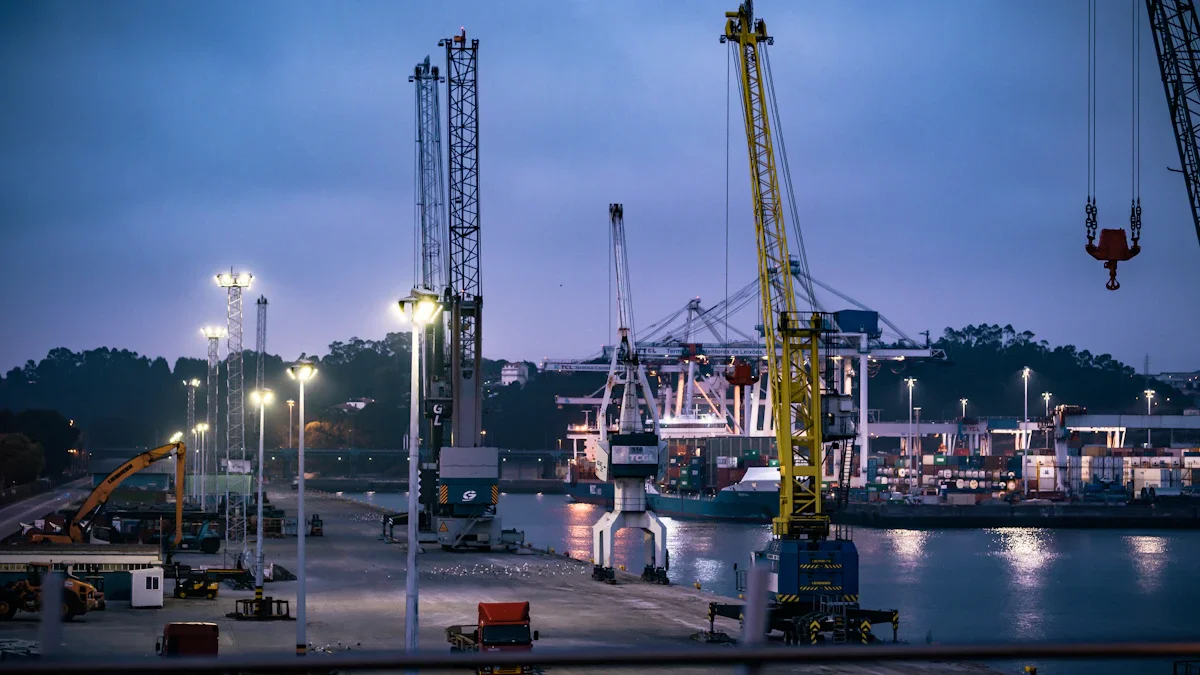
Lithuania is pivoting its coastal economic strategy, moving beyond traditional maritime logistics toward high-tech manufacturing and defense. Finance Minister Kristupas Vaitiekūnas recently unveiled a comprehensive funding framework aimed at the Klaipėda region, leveraging a massive €2.3 billion national investment pot alongside dedicated European Union funds. The goal is clear: to transition the Baltic coast from a transit and tourism hub into a high-value industrial powerhouse.
At the heart of this strategy is the National Development Bank (ILTE), which oversees the €2.3 billion fund. While these figures represent national capacities, the focus on Klaipėda highlights the region’s strategic importance as Lithuania’s only gateway to the sea and a critical frontier for NATO’s eastern flank. The Minister’s visit to the region, involving meetings with Mayor Arvydas Vaitkus and local business leaders, signaled a shift in how regional development is managed—moving away from top-down mandates toward locally planned, high-impact projects.
The Financial Blueprint for Regional Growth
The investment structure for the Klaipėda region is multi-layered, combining national instruments with EU structural support. The following table breaks down the primary financial allocations currently directed toward the region’s development:
| Funding Source | Total Amount | Primary Focus Areas |
|---|---|---|
| National ILTE Fund | €2.3 Billion | Defense, security, LEZ development, renewables, and agriculture |
| Regional EU Allocation | €335 Million | Social infrastructure, greening, and maritime tourism |
| Local Planned Investment | €220 Million | Specific regional priority projects within the EU framework |
| Infrastructure Spend | €159.7 Million | Social housing, healthcare, and educational facilities |
| Green Initiatives | €77.5 Million | Cycling paths, parks, and water management |
Currently, the Klaipėda district is a hive of activity with 282 ongoing projects funded by the EU Investment Program, following the successful completion of 66 earlier initiatives. However, Minister Vaitiekūnas emphasized that the “strong economic foundation” provided by the port and tourism is no longer sufficient. To maintain competitiveness in the European market, the region must attract investments that create “high added value”—specifically in sectors like biotechnology, defense technology, and renewable energy.

Strategic Industrial Modernization
A significant portion of the ILTE funding is earmarked for the development of Free Economic Zones (LEZs). This includes the construction and reconstruction of buildings intended for manufacturing, industry, and scientific research. By providing ready-to-use infrastructure, Lithuania aims to lower the barrier to entry for international firms looking to nearshore their operations within the Eurozone.
The modernization efforts extend to the region’s smaller municipalities. Skuodas and Kretinga are slated for industrial zone upgrades to ensure that the economic benefits of the coastal region trickle down beyond the city of Klaipėda itself. Furthermore, maritime infrastructure is receiving a targeted boost: the inland water port in Juodkrantė is set for modernization, and the Šventoji seaport will see new public tourism infrastructure to bolster the region’s recreational appeal.
Geopolitical and Energy Context
For international observers and potential investors, the emphasis on defense and security projects within the €2.3 billion fund is particularly noteworthy. As the geopolitical climate in the Baltic region remains tense, Lithuania is integrating economic development with national resilience. This includes fostering a local defense industry that can support both national needs and export markets.

Energy independence also plays a starring role. A significant slice of the funding is dedicated to the development of renewable energy resources. Klaipėda is already a leader in this field within the Baltics, hosting the country’s LNG terminal, and the new funding aims to expand wind and solar capacities to provide cheap, green energy to the newly developed industrial zones.
Navigating the Transition
While the financial commitments are substantial, the transition to a high-value economy faces challenges. The Minister noted that the region currently lacks the “attractive conditions” required for certain high-tech sectors, suggesting that infrastructure alone is not enough. Success will depend on the synergy between the public sector’s financial instruments and the private sector’s ability to innovate.
As these 282 projects move toward completion, the Klaipėda region is effectively being rebuilt to serve as a 21st-century economic engine. For UK businesses and investors, this represents a significant opportunity to engage with a rapidly modernizing Baltic hub that is backed by robust EU and national financial guarantees. The shift from a simple port city to a diversified industrial and defense hub marks a new chapter in Lithuania’s post-pandemic economic recovery.
Source: BNS