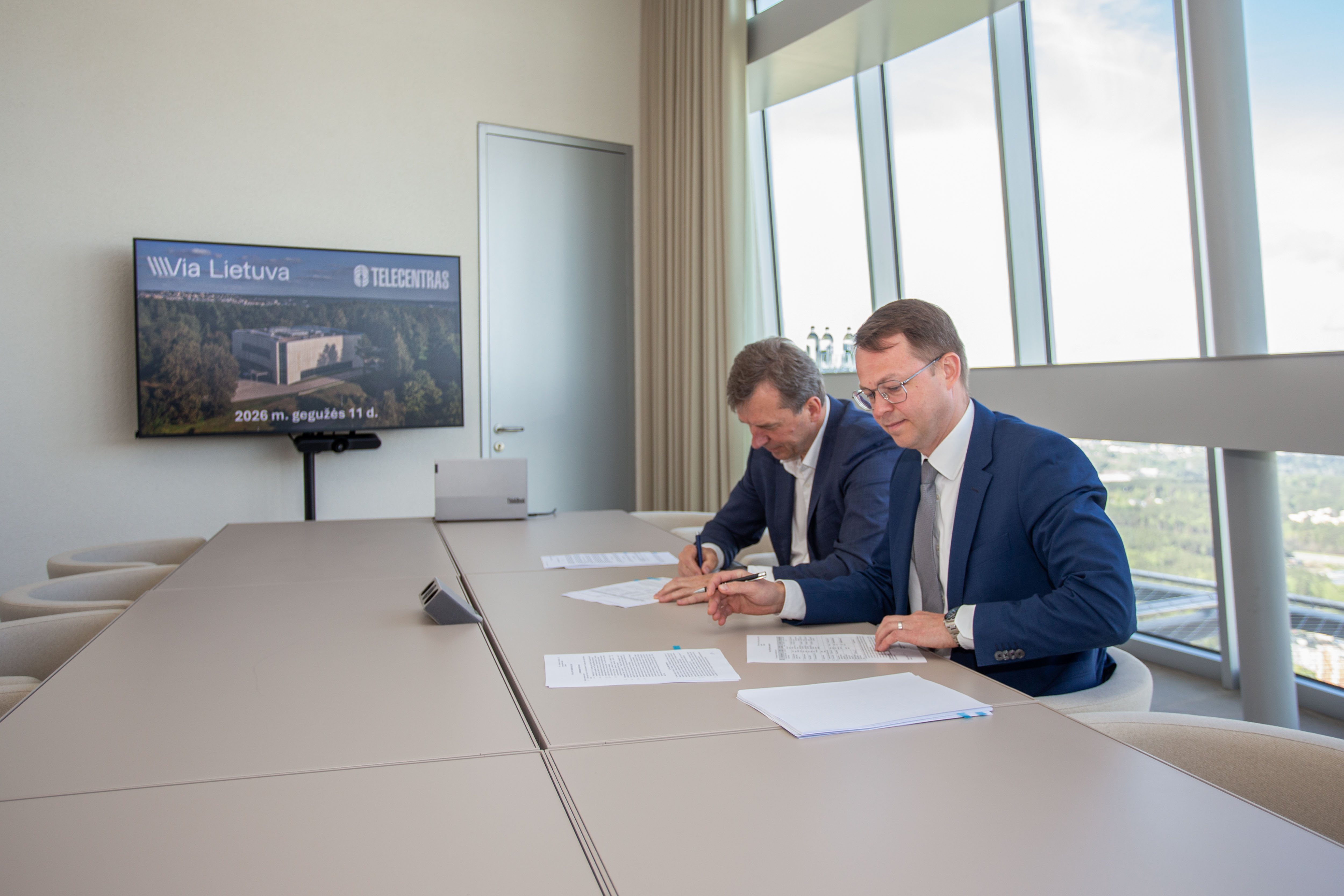
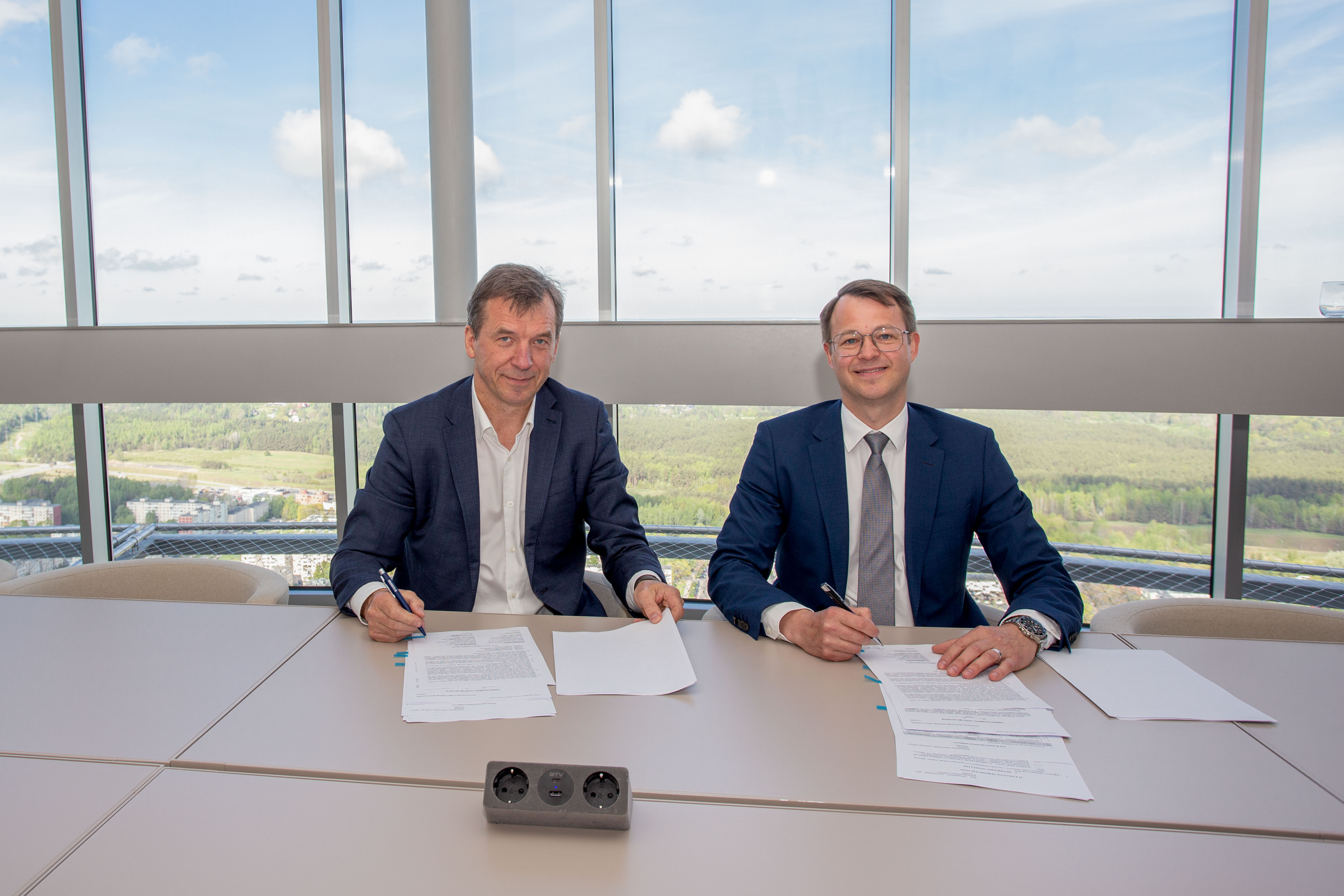
Lithuania is moving forward with a significant overhaul of its national transport infrastructure, transitioning from a time-based vignette system to a sophisticated distance-based electronic tolling model. At the heart of this transition is a new €4.5 million agreement between the state road manager, Via Lietuva, and the national telecommunications center, Telecentras, to ensure the security of vehicle and user data.
The partnership marks a critical milestone for the project, which is scheduled to go live on January 1, 2027. By moving data storage to a state-controlled Tier III data center, the Lithuanian government aims to address privacy and security concerns inherent in high-volume transport tracking systems.
Project Specifications and Timeline
The following table outlines the core components of the new tolling infrastructure and the security contract governing its data management:
| Project Component | Detail |
|---|---|
| Launch Date | January 1, 2027 |
| Contract Value | €4.5 million (excluding VAT) |
| Contract Duration | 2 years (with a 1-year extension option) |
| Data Center Standard | Tier III (High reliability and redundancy) |
| Toll Road Network | Over 2,800 km of national highways |
| Affected Vehicles | Categories M2, M3, N1, N2, and N3 |
Transitioning to the ‘User-Pays’ Principle
The current system in Lithuania relies on time-based vignettes, where transport operators pay for road access over a fixed period (daily, weekly, or monthly). The upcoming electronic system will shift this to a distance-based model, often referred to as the ‘user-pays’ principle. This means that heavy goods vehicles and passenger transport will be charged based on the actual kilometers driven on the toll network.
Martynas Gedaminskas, CEO of Via Lietuva, emphasized that the shift requires not just new physical infrastructure, but a robust digital backbone. “To implement a reliable road toll system, we must ensure the security of the IT equipment and data used,” Gedaminskas stated. The choice of Telecentras was driven by its status as a state data center meeting national security requirements, providing the necessary IT infrastructure resources for a project of this scale.
For UK-based logistics firms and international hauliers operating in the Baltic region, this change represents a shift in operational costs. While the current flat-rate vignettes allow for unlimited travel within a timeframe, the 2027 system will demand more precise route planning to manage toll expenses. However, it is important to note that private cars (Category M1) will remain exempt from these road user charges under the new system.
High-Security Data Management
The data center managed by Telecentras is designed to Tier III standards, meaning it features redundant power supply, cooling, and data transmission systems. This level of infrastructure is intended to prevent system downtime, which could lead to significant revenue loss for the state or legal complications for transport operators if tolls cannot be processed correctly.

Remigijus Šeris, head of Telecentras, noted that the project is being treated with the highest priority. The infrastructure will be spread across two state data centers to ensure maximum resilience. The service package includes cloud computing and additional IT solutions, such as a container management platform and necessary software licensing.
Infrastructure Impact and Maintenance
Via Lietuva currently manages more than 21,000 km of state-significance roads, including 1,500 bridges and tunnels. The 2,800 km designated for the new toll system are those that experience the heaviest traffic and the most significant wear and tear from freight transport.
By implementing a more proportional charging system, the government intends to distribute the costs of road maintenance and upgrades more fairly among those who utilize the infrastructure most heavily. The revenue generated is expected to be reinvested into the modernization of the national road network, which has seen increased pressure as Lithuania serves as a vital transit corridor for the Baltic states.
Original reporting by: elta
Source: ELTA
Context & actions About this article
What do you think about this article?
Reader Ideas Newsroom
Have a sharper angle for this topic? Add it to the community idea board and let readers vote it up for editorial review.

/linkComments
8+ useful words can earn +10-60 DP; shorter replies can still publish without DP.