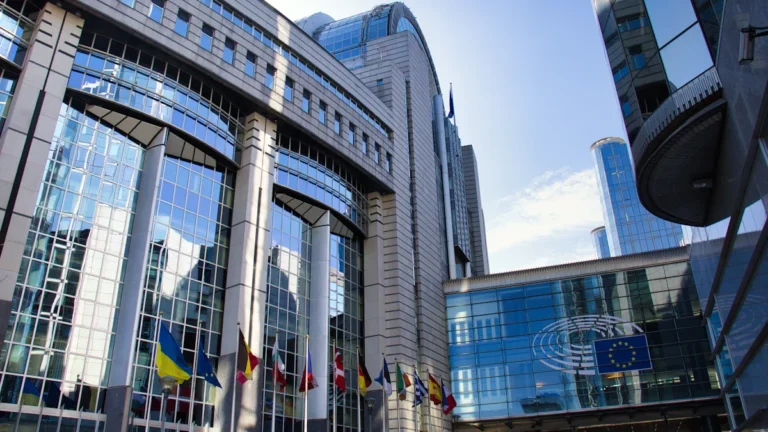
Paris Unveils Radical Five-Point Plan to Redesign Urban Life
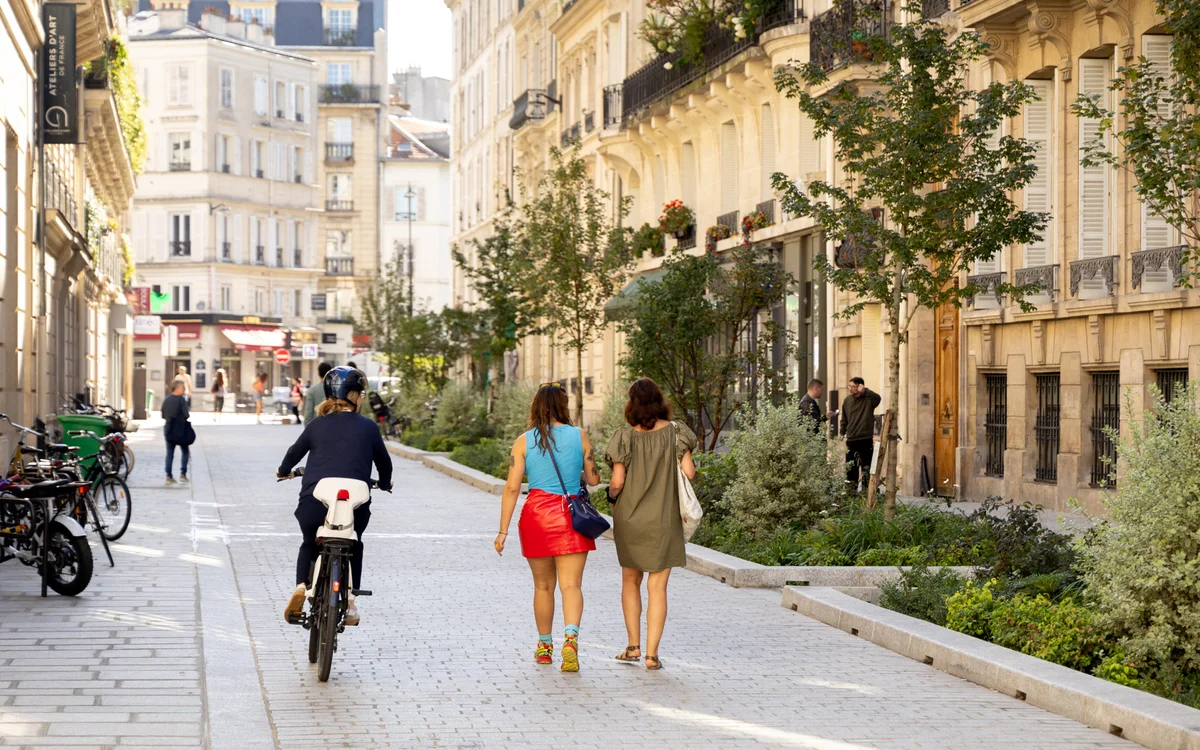
Paris City Hall has unveiled a comprehensive strategic roadmap designed to transform the French capital’s public spaces, prioritizing pedestrian safety, cleanliness, and a new “aesthetic manifesto.” The plan, which moves beyond simple maintenance, aims to implement a philosophy of “universal accessibility” and gender equality across all 20 arrondissements, marking a significant shift in how one of the world’s most visited cities manages its daily operations.
The initiative is structured around five core priorities that seek to reconcile the city’s historic heritage with the demands of modern mobility. Key targets include the creation of 80 new “pedestrian hearts,” the development of a 25km continuous promenade along the banks of the Seine, and the launch of 15 express bus lines with dedicated infrastructure. This overhaul is not merely about transport; it is a fundamental redesign of the Parisian streetscape to favor the most vulnerable users.
A Strategic Focus on Accessibility and Pedestrian Safety
Central to the new policy is the concept of a “city at child height.” This approach dictates that urban furniture and street layouts must be adapted for the youngest residents, the elderly, and people with disabilities. By redesigning intersections and known accident hotspots in collaboration with pedestrian and cycling associations, the city is adopting a “Vision Zero” target—aiming for zero deaths and zero serious injuries on its roads.

To enforce these changes, Paris will deploy a specialized brigade to combat “motorized violence,” targeting aggressive driving and illegal parking that endangers non-motorists. This move reflects a broader European trend where major capitals are reclaiming road space from private vehicles to improve air quality and public safety, similar to initiatives seen in London’s Low Traffic Neighbourhoods (LTNs), though on a more centralized, city-wide scale.
Tackling Urban Nuisances and the 1,000 Black Spots
Cleanliness remains a primary concern for both Parisians and international visitors. The municipal government has identified 1,000 “black spots”—areas with chronic issues regarding litter, illegal dumping, or non-compliant commercial terraces—that will receive priority intervention. The strategy involves a more localized response, coordinating municipal police, cleaning crews, and road maintenance teams to address these high-traffic zones in real-time.
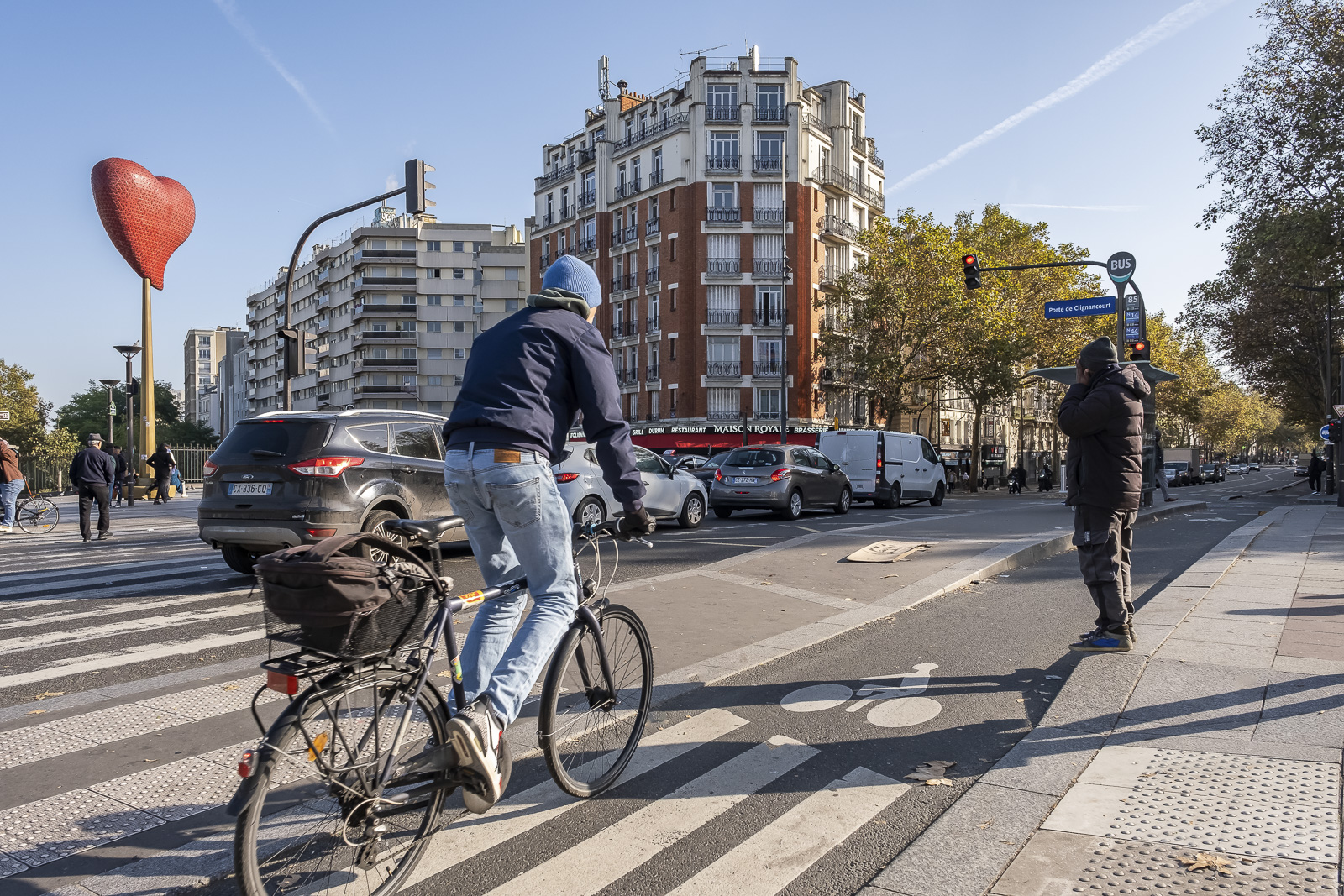
Furthermore, the city plans to tighten control over construction sites. A new coordination system will be implemented to minimize the disruption caused by both public and private works. This includes ensuring clear, safe pathways for pedestrians throughout the duration of any project and providing better information to local residents and business owners to mitigate the economic and social impact of urban development.
The Manifesto for Beauty and Heritage Protection
In a move that distinguishes Paris from many other global metropolises, the city is asserting a “right to beauty.” A new position, the Delegate General for Design and Aesthetics, has been created to oversee the visual harmony of the city. This office will produce a “Manifesto for Beauty,” a reference framework setting strict standards for materials, furniture harmony, and the preservation of both historic landmarks and “ordinary” Parisian heritage.
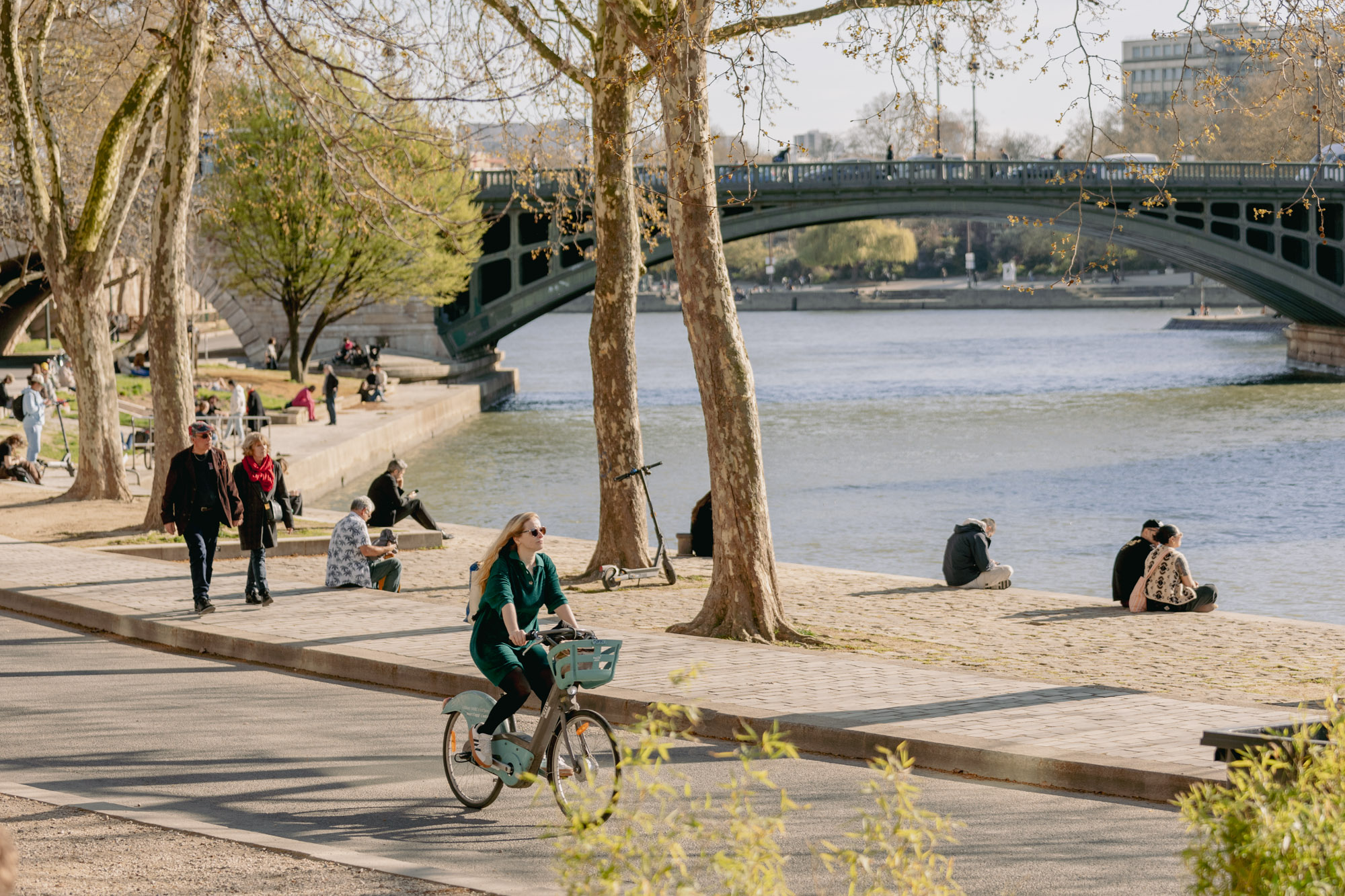
This aesthetic focus extends to the regulation of storefronts and terraces, which have proliferated in recent years. By updating street-level regulations, the city aims to create a more legible and harmonious environment that respects the architectural identity of Paris while allowing for modern usage. The goal is to ensure that every intervention, from a new park bench to a major bridge renovation, contributes to the capital’s global prestige and the daily comfort of its inhabitants.
Implementation and Future Outlook
The rollout of these measures will involve a significant restructuring of how the city interacts with its individual districts. Enhanced coordination with local town halls (mairies d’arrondissement) is expected to allow for faster responses to daily incivilities, such as illegal street vending or non-compliant commercial displays. As Paris prepares for a future with fewer cars and more diverse street uses, this strategic plan serves as the blueprint for a more inclusive, bioclimatic, and aesthetically cohesive urban environment.
Original reporting by: paris
Source: Mairie de Paris