Swedish Royals Join Lithuanian Leaders to Support Displaced Children
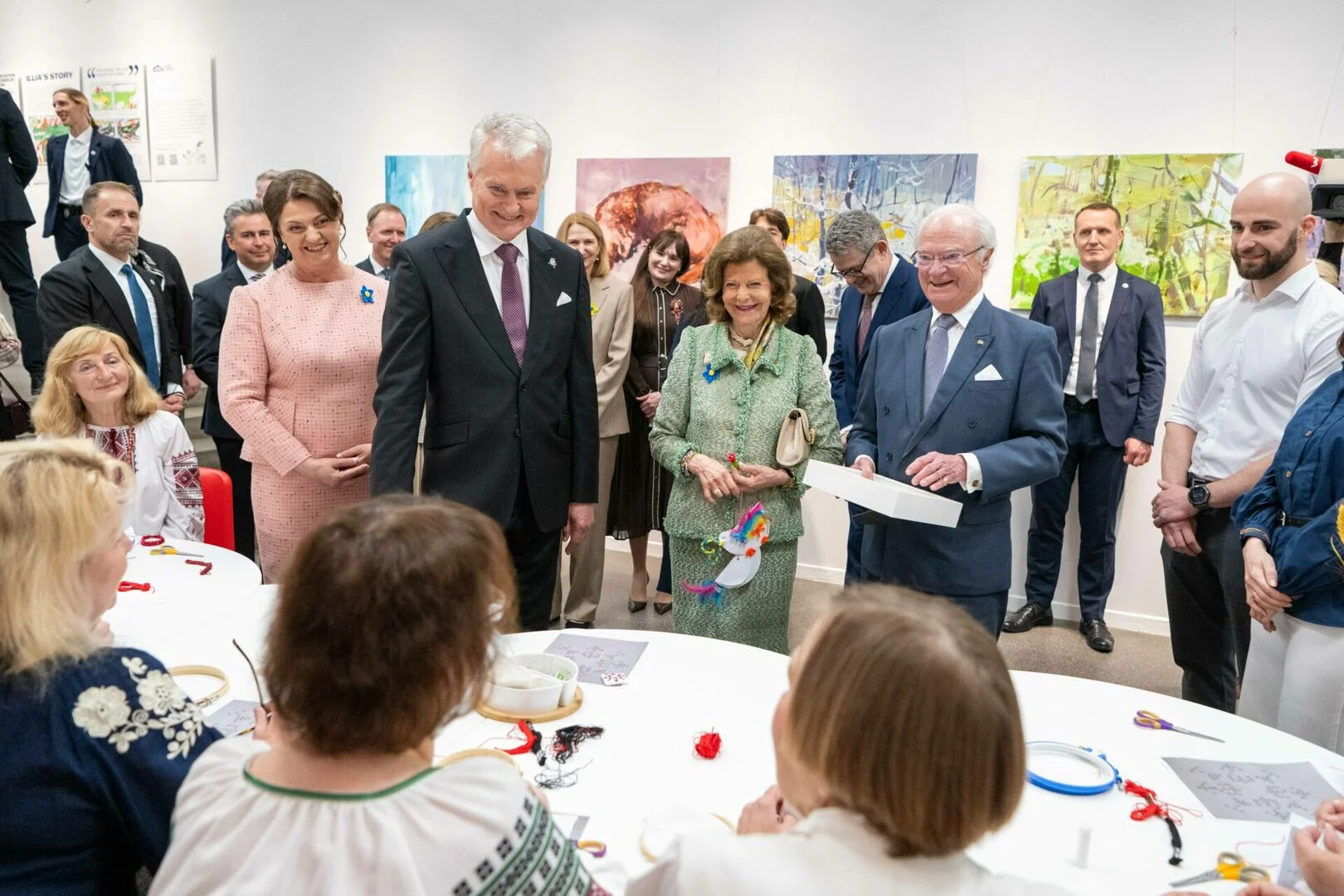
The voices of the “Mriya” (Dream) children’s choir echoed through the halls of the Ukraine Center in Vilnius this week, providing a poignant soundtrack to a high-profile diplomatic visit. King Carl XVI Gustaf and Queen Silvia of Sweden, currently on a state visit to Lithuania, joined President Gitanas Nausėda and First Lady Diana Nausėdienė to witness firsthand the humanitarian efforts being made to support those displaced by the ongoing conflict in Ukraine.
The visit was more than a ceremonial gesture; it served as a spotlight on the psychological and social scars left on the youngest victims of the war. As the royal couple moved through the center, they were presented with the stark realities of the conflict through the lens of Ukrainian photographer Roman Pashkovsky. His exhibition, “Lost Childhood,” documents the harrowing stories of children who were forcibly displaced or abducted by Russian forces. The imagery serves as a silent but powerful plea to the international community to intensify efforts in locating and rehabilitating these children.
A Sanctuary for Recovery and Identity
Established through the joint initiative of the First Ladies of Lithuania and Ukraine, the Ukraine Center has become a vital hub for the tens of thousands of Ukrainians who have sought refuge in the Baltic states. Unlike standard refugee processing centers, this institution focuses heavily on the long-term integration and mental health of its visitors. During their tour, the Swedish royals observed educational and therapeutic sessions led by qualified art therapists, psychologists, and social workers.
These programs are designed to address the “invisible wounds” of war. By providing a space where children can engage in creative expression and receive professional psychological support, the center aims to mitigate the long-term trauma of displacement. For the Swedish royal family, who have a long history of supporting children’s rights through various foundations, the visit underscored a shared European commitment to protecting the most vulnerable during times of geopolitical upheaval.
Bridging the Gap Between War and Future Peace
The engagement extended beyond therapy to include the next generation of leaders. The royal couple and the presidential pair met with students from the Kaunas University of Technology and young Ukrainians to discuss potential scenarios for Ukraine’s future. This dialogue highlighted the center’s secondary mission: ensuring that while Ukrainians integrate into Lithuanian society, they do not lose their cultural identity or their connection to their homeland.
President Nausėda emphasized that Lithuania’s support for Ukraine is multi-faceted, spanning military, diplomatic, and humanitarian aid. “The Ukraine Center in Vilnius is a unique space for international cooperation where the European vision of Ukraine’s future is strengthened through culture, research, and discussion,” the President noted. He stressed that investing in the psychological well-being and critical thinking skills of Ukrainian youth is an investment in the future stability of the entire region.
The Growing Role of the Baltic-Nordic Alliance
This royal visit comes at a time of deepening ties between the Nordic and Baltic nations, particularly in the wake of Sweden’s recent accession to NATO. The presence of the Swedish monarchs in a center dedicated to Ukrainian relief sends a clear message of unified Northern European solidarity.
Since its opening in June 2022, the center—a partnership between the Lithuanian Presidency, Vytauto Didžiojo University, and the Ukrainian Embassy—has served as a blueprint for how host nations can provide more than just shelter. By offering non-formal education, social services, and a platform for cultural preservation, the center helps refugees maintain their agency and dignity.
As the war continues, the focus of the international community is increasingly shifting toward the safe return of abducted children and the long-term rehabilitation of those who have witnessed the horrors of the front lines. The visit by King Carl XVI Gustaf and Queen Silvia ensures that these issues remain at the forefront of the European diplomatic agenda, reminding the public that the humanitarian crisis requires a sustained, compassionate response that goes far beyond the battlefield.
Source: BNS