
Ofgem’s new energy price cap takes effect on 1 July 2026, giving UK households one final full month to check whether their current tariff, Direct Debit and usage still make sense. The regulator announced on 27 May 2026 that the cap will rise by 13% for the period from July to September, so June is the practical window for reviewing fixes, meter readings and supplier offers before the higher cap applies.
What changes from 1 July 2026
The July cap will cover energy used between 1 July and 30 September 2026. It affects default and standard variable tariffs in Great Britain, including many households that are not on a fixed deal.
Ofgem says the April to June 2026 cap is £1,641 a year for a typical dual-fuel household paying by Direct Debit. The July cap changes mean the cap will be higher for the next quarter, but the headline figure is not a fixed bill for every home.
Your actual bill still depends on how much electricity and gas you use, where you live, how you pay and the specific rates on your tariff.
The cap limits rates, not your total bill
The energy price cap controls the maximum unit rates and standing charges suppliers can apply to customers on covered tariffs. It does not cap the total amount a household can be charged.
A low-usage flat may pay less than the typical annual figure. A larger home, a poorly insulated property or a household using more gas and electricity can pay more. That is why the useful comparison is not only the headline cap number, but your own unit rates, standing charges and annual consumption.
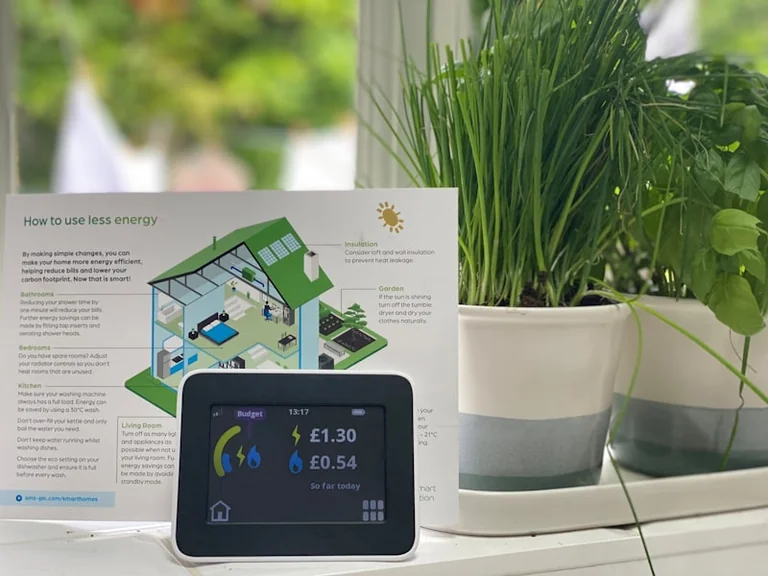
What to check before switching or fixing
Before moving tariff in June, compare the full terms rather than only the monthly Direct Debit estimate.
- Check your current electricity and gas unit rates.
- Compare standing charges as well as headline annual costs.
- Look for exit fees on both your current and proposed tariff.
- Use recent meter readings or annual usage, not a rough guess.
- Confirm whether the offer is fixed, variable or tracker-style.
- Check whether prices differ by payment method.
A fixed deal can be useful if it is cheaper than the expected July cap for your usage, or if you want more certainty. But a fix with high standing charges, exit fees or rates above the new cap may not be the best move.
Common household scenarios in June
| Situation | June check |
|---|---|
| On a standard variable tariff | Compare July cap rates with available fixed offers |
| Already on a fixed tariff | Check end date, exit fee and whether current rates are still lower |
| Direct Debit has changed | Ask whether it reflects usage, debt, credit or the July cap |
| Smart meter or manual readings | Submit a fresh reading before the cap changes |
Households with credit balances should also check whether their Direct Debit is still proportionate. A lower monthly payment may feel helpful, but it can lead to debt later if it does not match actual winter usage.
The next useful date for households
The practical deadline is the end of June. By then, households should know their current tariff, whether a fixed offer beats the July cap for their usage, and whether their Direct Debit is based on recent readings rather than an outdated estimate.
Source: Ofgem
Context & actions About this article
Source check Source check
This guide uses Ofgem’s May 2026 price cap announcement and its consumer explanation of how the cap works.
- Ofgem announced a 13% price cap rise for 1 July to 30 September 2026.
- The April to June 2026 typical Direct Debit cap is listed by Ofgem as £1,641 a year.
- The cap applies to unit rates and standing charges, not a guaranteed total household bill.
- Source
- Ofgem
- Scope
- United Kingdom
- Updated
- 2026-06-01 09:22
Source check
Report a trust issue
Send a clear signal to community moderation if the source, facts or context need review.
Article contextPeople & topics#7
What do you think about this article?
Reader Ideas Newsroom
Have a sharper angle for this topic? Add it to the community idea board and let readers vote it up for editorial review.




/linkComments
8+ useful words can earn +10-60 DP; shorter replies can still publish without DP.