Vilnius Hot Water Update: 46% of Residents to Skip Annual Shutdowns
For decades, the arrival of spring and summer in the Lithuanian capital has been synonymous with a dreaded urban ritual: the temporary loss of hot water. As the city’s heating infrastructure undergoes its annual health check, thousands of residents typically find themselves reaching for the kettle or bracing for a cold shower. However, this year marks a significant turning point in the city’s modernisation efforts.
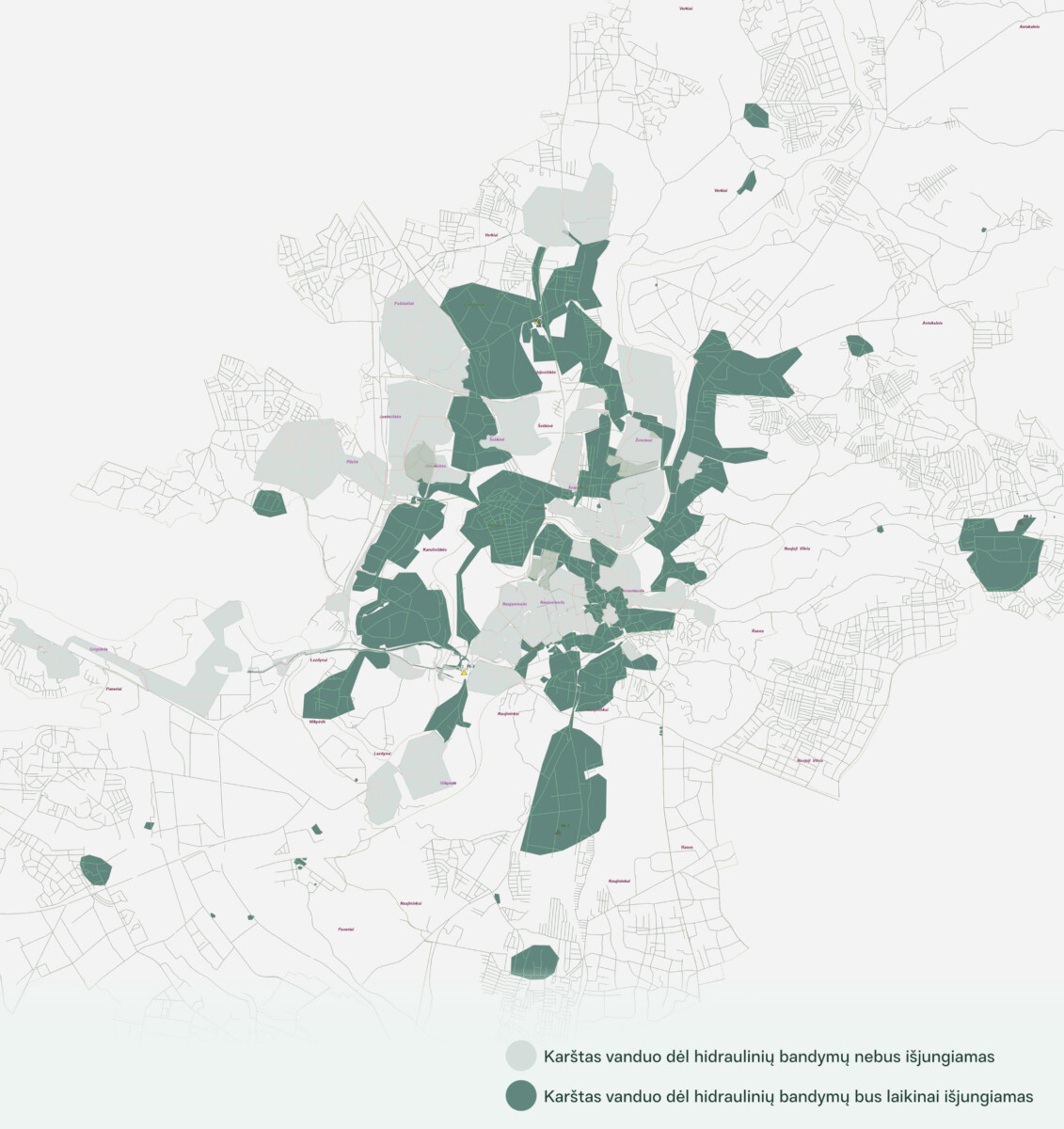
Nearly half of all Vilnius residents—approximately 46%—will entirely avoid the annual hot water shutdown this year. This shift is the result of intensive infrastructure investments by the city’s energy ecosystem manager, “Gijos,” which has been working to phase out the necessity of these disruptive hydraulic tests through technological innovation and network reconstruction.
The ‘Safe’ List: Which Districts Are Exempt?
The reduction in service interruptions is not evenly distributed across the city but is concentrated in areas where the heating network has seen the most significant upgrades. Residents in these districts are the most likely to maintain uninterrupted hot water service throughout the diagnostic period:
- Pilaitė and Pašilaičiai
- The Old Town (Senamiestis) and Naujamiestis
- Justiniškės and Šnipiškės
- Paupys and Visoriai
- Žirmūnai and Vilkpėdė
While the majority of residents in these zones will keep their hot water, the company notes that localized exceptions remain. Building-specific reconstructions or the connection of new developments to the grid may still require brief, targeted outages. Consequently, even those in “safe” districts are encouraged to verify their specific building status via official channels.
Why the Shutdowns Happen: The Science of Pressure
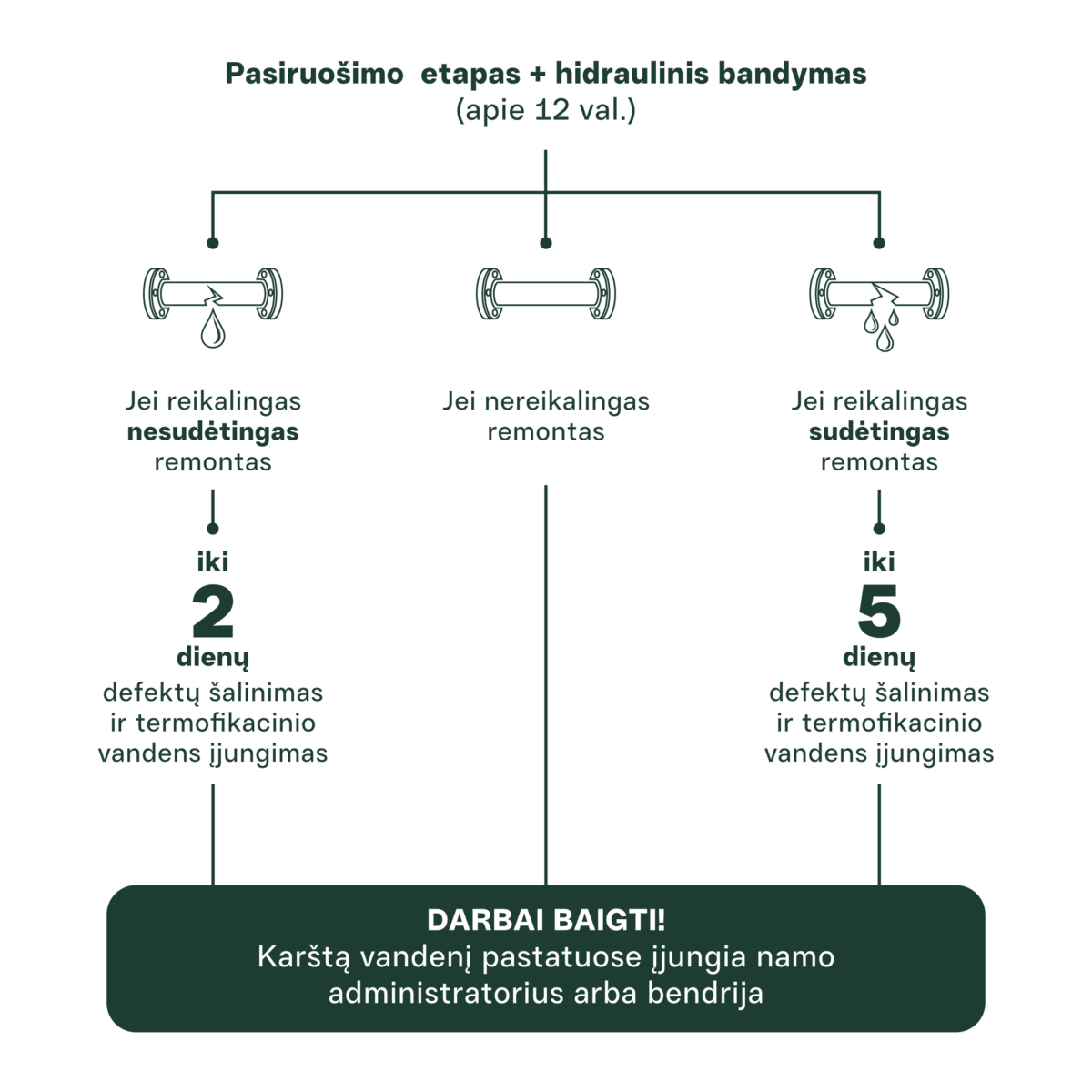
For the remaining 54% of the city, the temporary inconvenience remains a technical necessity. To ensure the city doesn’t face catastrophic pipe failures during the freezing Baltic winter, the network must undergo hydraulic testing. This involves pumping water through the pipelines at significantly higher pressures than normal to identify weak spots or micro-cracks.
The reason the water must be turned off at the tap is protective. The heat exchangers located within the heating points of apartment buildings are not designed to withstand these high-pressure surges. If they were not disconnected during the tests, the internal plumbing of the buildings could suffer extensive damage. Furthermore, during pipe repairs or full reconstructions, the system must be drained of its heat-carrying fluid, making service delivery physically impossible.
What to Expect: Timelines and Restoration
In an ideal scenario where no leaks are detected, hot water typically returns within 24 hours. However, the speed of restoration is not solely in the hands of the utility provider. Once the main network tests are complete, the responsibility shifts to the building’s heating and water system supervisor—usually appointed by the homeowners’ association or the building administrator. Their responsiveness in reopening the valves determines exactly when the hot water reaches individual flats.
Andrius Agintas, Head of the Infrastructure Team at “Gijos,” explains that the complexity of the defect dictates the length of any extended delay. “If a small crack is found after the hydraulic test, the shutdown might be extended to 48 hours. More complex repairs can take up to five days, and in exceptional cases of major structural failure, it can take slightly longer.”
How to Stay Informed and Avoid Surprises
To help residents plan their lives—and perhaps schedule their holidays to coincide with local maintenance—the utility provider has digitised the tracking process. Residents are encouraged to visit the official website and enter their address to see the specific schedule for their building.
Additionally, the company has urged residents to update their contact information on the self-service portal. Automated SMS alerts and emails are now the primary method for notifying residents of upcoming work, ensuring that the “cold shower surprise” becomes a thing of the past. By combining smart sensors, circular network loops, and automated leak detection, Vilnius is moving toward a future where the annual shutdown is an obsolete relic of the Soviet-era energy grid.
Source: ELTA