Leeds landowners must check ash trees for safety risks using new map
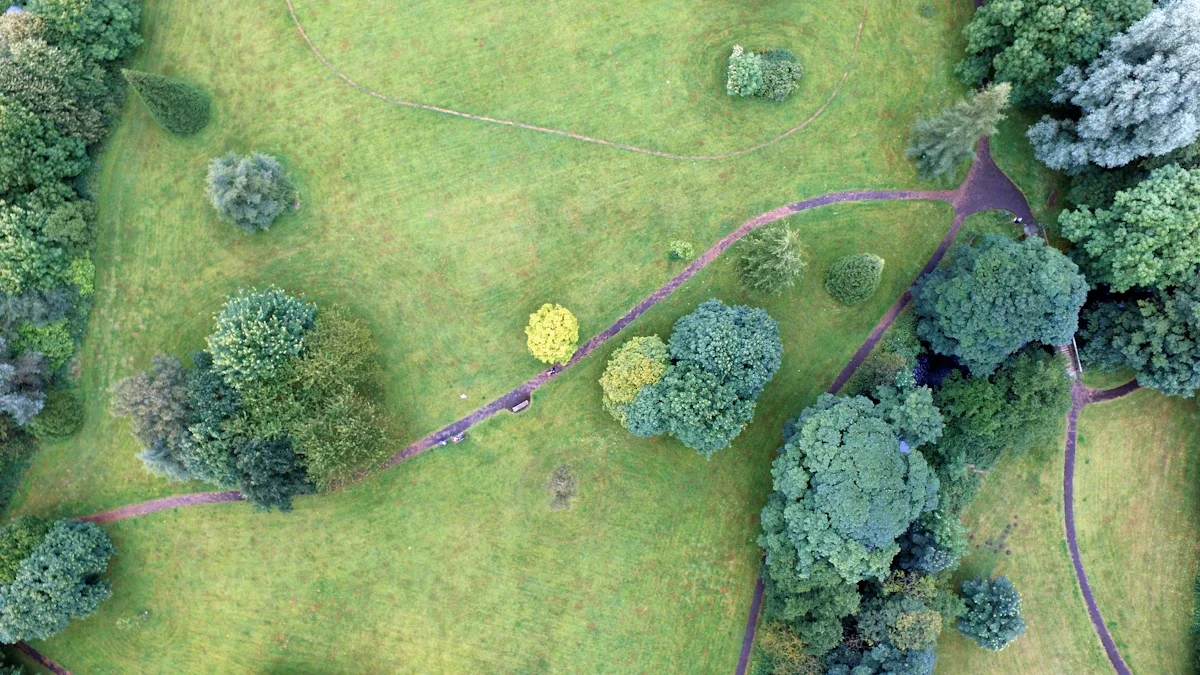
Leeds property owners are being called to inspect their land for diseased ash trees as the species enters its full leaf season. With thousands of trees already identified as safety hazards, the local authority has released an interactive map to help residents determine if their trees pose a risk to public highways or neighboring properties.
Interactive map identifies high-risk trees near Leeds highways
In late 2025, a digital tool was launched to track the health of ash trees across the region. This map specifically highlights trees located near main roads that show signs of significant decay. As surveys resume this May, more locations are being added to the database. Residents can use this resource to see if a tree on or bordering their property has already been flagged by specialists as a potential hazard.
Legal responsibilities for private property owners
While the local authority manages trees on public land, private landowners hold the same legal duty of care. If a tree on private property collapses onto a road or causes injury due to negligence, the owner may be held liable. The current guidance emphasizes that even trees not appearing on the official map should be monitored if they are within falling distance of public spaces or structures. Dedicated guidance is available to help owners understand their specific legal obligations and find professional support for felling.
Identifying ash dieback during the summer leaf season
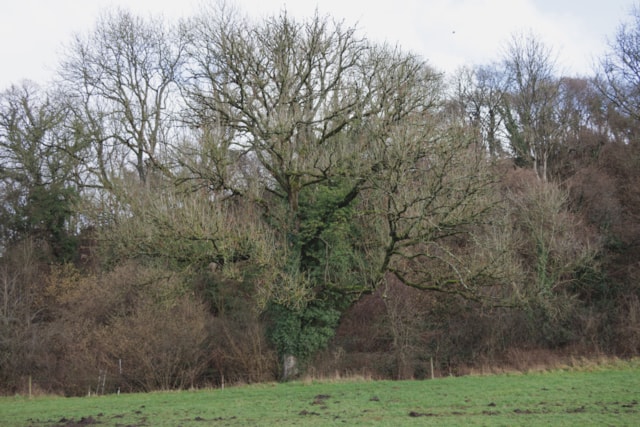
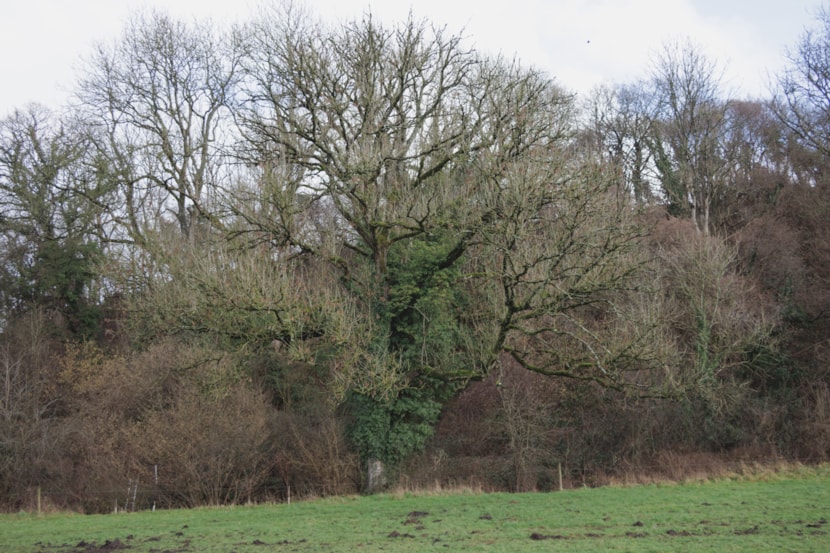
May to September is the critical window for spotting ash dieback, a fungal disease that blocks a tree’s ability to transport water and nutrients. Because ash trees are now in full leaf, symptoms are much easier to identify. Landowners should look for dead or dying branches at the very top of the canopy, diamond-shaped lesions on the bark, or leaves that wilt and turn black prematurely. Ash dieback significantly weakens the wood, making trees brittle and susceptible to secondary infections that can lead to sudden collapse.
Leeds reforestation efforts and replacement strategy
The scale of the infection has significantly altered the local landscape, but efforts are underway to restore the canopy. The council’s strategy focuses on a high-volume replacement plan to ensure long-term biodiversity.
| Action | Status/Statistic |
|---|---|
| Trees removed on public land | Nearly 3,000 |
| Trees planted last winter | Approximately 4,000 |
| Future planting ratio | 5 new trees for every 1 removed |
| Peak observation period | May to September |
Councillor Mohammed Rafique noted that teams have worked extensively to identify thousands of trees near highways that require felling. He reminded residents that the responsibility to manage these risks extends to every landowner in the city to prevent disruption and potential harm on the roads.
Source: Leeds City Council