Humanoid Robots Enter the Classroom: Klaipėda University’s New Tech Lab
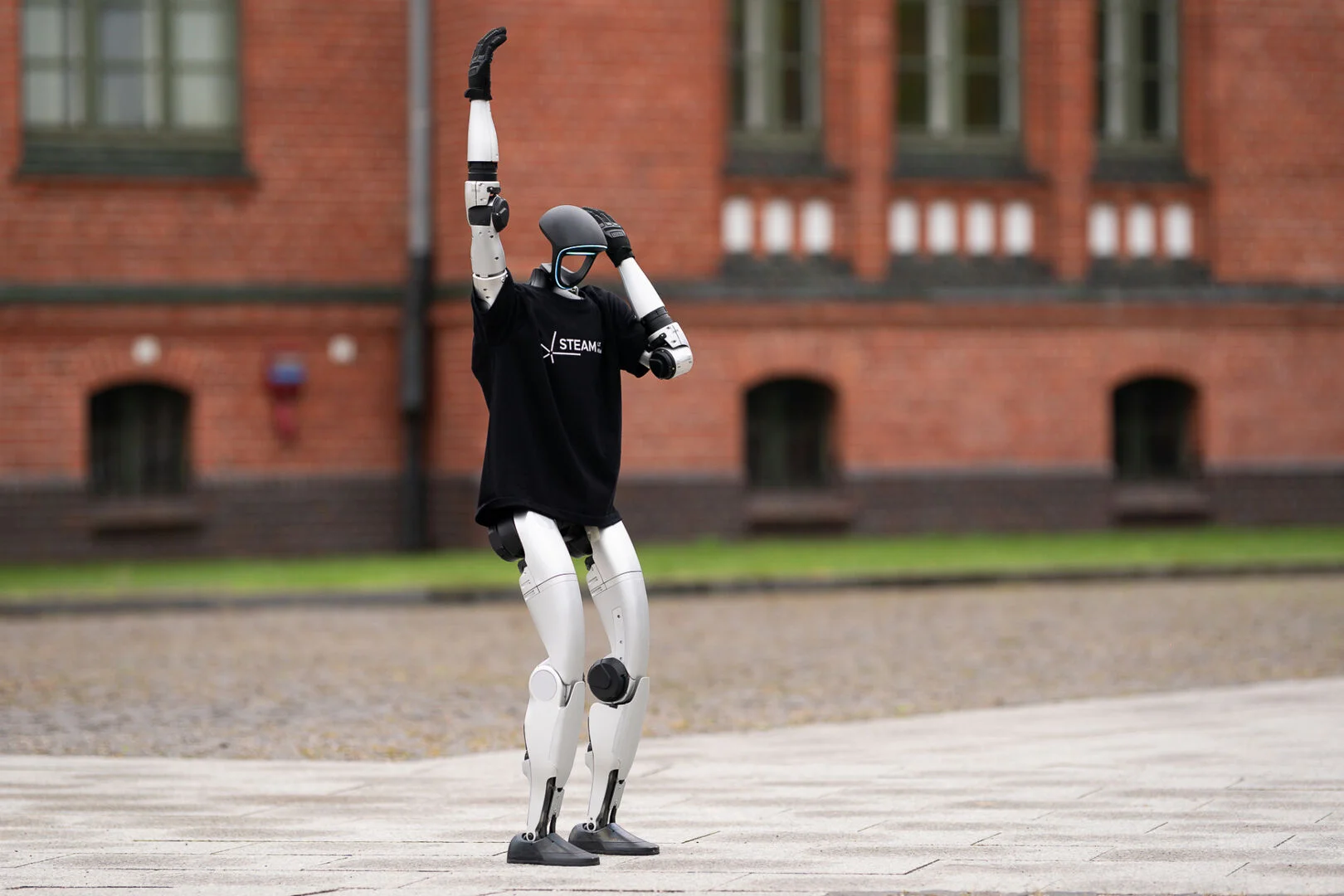
In a brightly lit hall at the Klaipėda University (KU) STEAM center, a metallic figure balances on two legs, navigating a set of stairs before leading a group of students through a morning exercise routine. This is no longer a scene from a science fiction film, but a daily reality in Lithuania’s coastal academic hub. The center has recently integrated three new humanoid robots and several robotic manipulators into its curriculum, signaling a shift from treating robotics as a novelty to utilizing it as a fundamental pedagogical tool.
These machines, including advanced models from Unitree Robotics and the anthropomorphic NAO robots, are being deployed to bridge the gap between theoretical computer science and practical human-technology interaction. For the students at KU, these robots serve as sophisticated canvases for programming, allowing them to see complex code manifest as physical movement and social engagement.
From Physical Exercises to Complex Programming
The introduction of Unitree Robotics humanoids marks a significant upgrade in the center’s infrastructure. Unlike earlier educational robots that were limited to flat surfaces, these new units possess advanced navigation capabilities. They can maintain balance on uneven terrain, climb stairs, and recover autonomously after a fall.
In the classroom, their role is multifaceted. Currently, these humanoids act as methodological assistants—guiding children through physical activities or escorting them between different lab stations. However, the long-term vision is far more ambitious. By integrating Artificial Intelligence, educators plan to use these robots as ‘co-teachers’ capable of monitoring classroom safety, encouraging student engagement, and providing real-time feedback during complex tasks.

The NAO robots, known for their friendly, human-like appearance, are particularly effective with younger age groups. Their design lowers the barrier to entry for robotics, making the daunting task of learning logic and syntax feel like a collaborative game. By programming these robots to speak, gesture, and react, students gain an intuitive understanding of how AI interprets human signals.
Bridging the Gap to Industrial Automation
While the humanoids capture the most attention, the center has also invested in DOBOT robotic manipulators. These are essentially scaled-down versions of the robotic arms found in automotive and electronics factories.
By working with these tools, students move beyond the ‘social’ aspect of robotics into the ‘industrial’ reality. They learn to program tasks such as color-coded object sorting, precision picking, and automated packaging. This provides a direct pathway to high-value careers in manufacturing, allowing students to acquire the same skills used in modern smart factories before they even reach the job market.

The Rise of Social Robotics Research
Beyond teaching students how to code, the KU STEAM center is positioning itself as a laboratory for social robotics—a field that studies how humans and robots coexist. Prof. Dr. Aelita Bredelytė, head of the KU STEAM center, emphasizes that these robots are not intended to be ‘human replacements.’
“We aim to show young people that the most important goal is to use robots and AI to strengthen human capabilities, not to replace them,” Prof. Bredelytė explains. The research conducted at the center explores how humans react to ‘social agents’—machines that can recognize emotions and respond to social cues.
This research is critical as AI becomes more embedded in daily life. The center encourages a ‘critical perspective’ on technology, teaching students to identify the limits of automation. There is a specific focus on the ‘uncanny valley’ effect—where overly human-like robots can cause discomfort—and the ethical dilemmas surrounding privacy, data security, and human autonomy.

Preparing for a Robotic Workforce
The initiative at Klaipėda University reflects a broader European trend of preparing the next generation for a hybrid workforce. By moving away from the romanticized view of robots found in pop culture, the STEAM center focuses on the technical and ethical realities of the 21st century.
Students are taught that while a robot can perform a task with unerring precision, the human element—creativity, ethical judgment, and problem-solving—remains the driving force. As these humanoid assistants become more common in Lithuanian classrooms, they serve as a constant reminder that the future of education is not just about learning with technology, but learning how to lead it.
Source: BNS