Is a Robot Mower Worth It? Calculating the ROI of Your Free Time
Is a Robot Mower Worth It? Calculating the ROI of Your Free Time
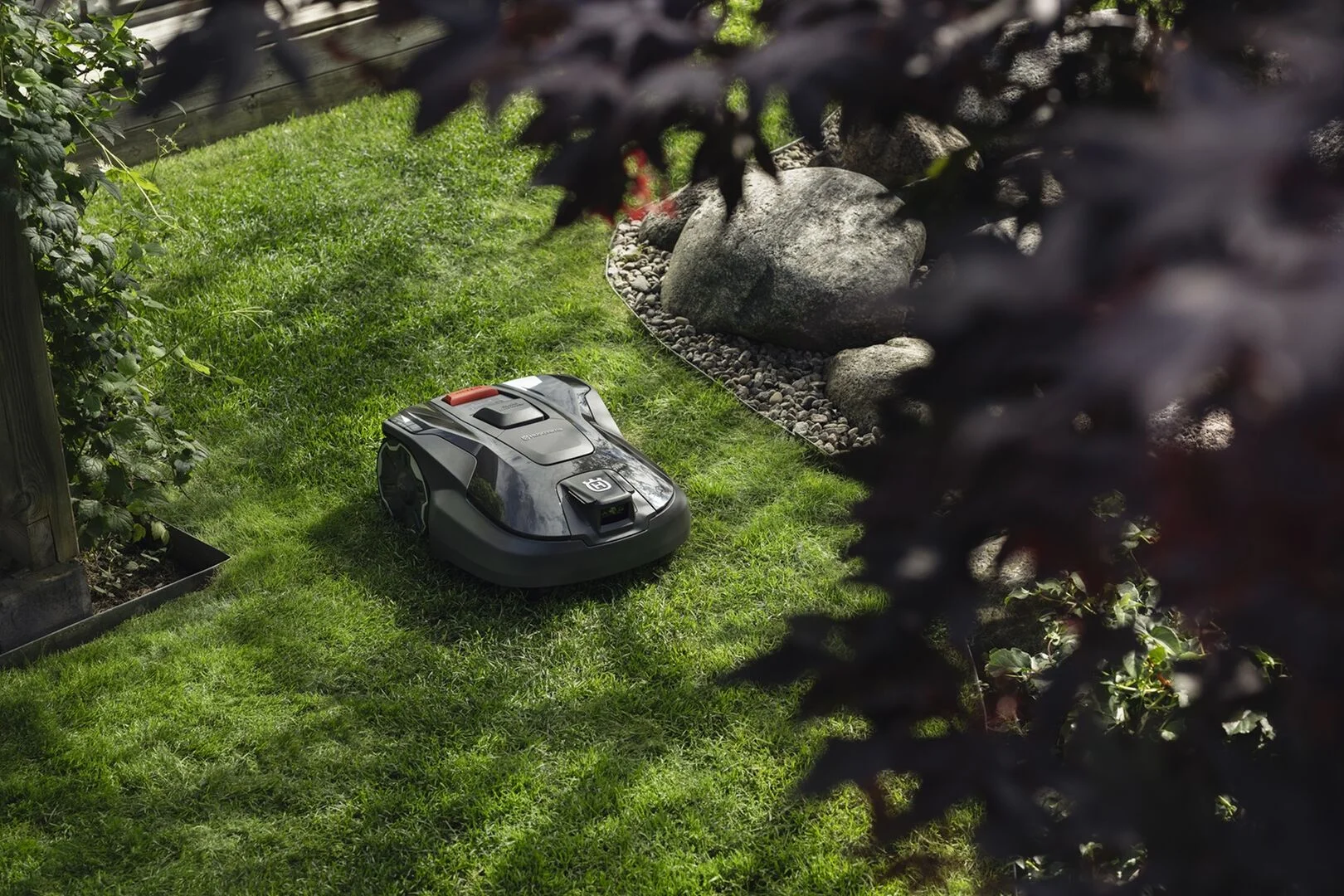
For many homeowners in the UK, the arrival of spring signals the return of a relentless weekly ritual: the Saturday morning mow. While the “English Garden” is a point of national pride, the labour required to maintain it is increasingly at odds with our busy modern lifestyles. Enter the robot lawnmower. Once dismissed as a high-priced novelty for the tech-obsessed, these autonomous devices are rapidly becoming a rational financial choice for the average household.
But with entry-level models starting at £600 and premium versions exceeding £3,000, the question remains: does the investment actually pay off? By looking at the data and the long-term operational savings, the answer is increasingly leaning toward a resounding “yes.”
The Shift from Luxury to Utility
The transition of robot mowers from luxury gadgets to essential garden tools has been driven by technological maturity. Much like the early days of the dishwasher or the microwave, the initial high cost of entry is being offset by the sheer efficiency of the machine.
Industry experts, including those from leading manufacturers like Husqvarna, note that the technology has reached a point of refinement where it is no longer a “test case.” Modern robots are equipped with GPS tracking, obstacle avoidance, and weather sensors that allow them to operate in the unpredictable British climate. As the technology has matured, prices have stabilised, making premium features accessible to a wider range of consumers who are tired of the petrol-and-pull-cord routine.
Data Snapshot: The Financial Breakdown
When evaluating the cost of a robot mower, it is a mistake to look only at the price tag on the box. The true value is revealed through a comparison of annual running costs against traditional petrol mowers.
Running Costs Per Season
- Robot Lawnmower: The primary cost is electricity. Depending on the size of the lawn and local utility rates, a robot mower typically costs between £10 and £35 in electricity per season. For those on off-peak or “Economy 7” tariffs, this can be further reduced by scheduling the robot to charge overnight.
- Petrol Lawnmower: Between the rising cost of unleaded petrol and the necessary engine oil, a traditional mower can easily cost £80 to £120 per season in consumables alone. This does not include the periodic professional servicing required for internal combustion engines.
Maintenance and Longevity
Maintenance for a robot is remarkably simple. Beyond a periodic wipe-down and a change of the small cutting blades (which cost a few pounds), there are no spark plugs to change, no air filters to clog, and no heavy machinery to haul to a repair shop. While the initial investment is higher, the operational savings mean that many units pay for themselves in reduced running costs within 4 to 6 years.
The Hidden Value: The “Time Tax”
The most significant ROI, however, isn’t found in a bank statement—it is found in the calendar. For a medium-sized UK garden, the average homeowner spends roughly 2 to 3 hours per week mowing, trimming, and disposing of clippings. Over a six-month growing season, that equates to roughly 50 to 70 hours of labour.
In the UK, where summer weekends are often precious and fleeting, the ability to reclaim nearly three full days of life per year is a powerful motivator. Whether that time is spent with family, pursuing hobbies, or simply relaxing, the “time tax” of manual lawn care is a cost that many are no longer willing to pay. Furthermore, for those who currently pay a gardening service to mow their lawn—often at £30 to £50 per visit—a robot mower can achieve full ROI in as little as two seasons.
The Ecological and Aesthetic Edge
Beyond the finances, there is the question of lawn quality. Traditional mowing is a traumatic event for grass; we wait for it to grow long and then hack off a significant portion of the blade. Robot mowers operate on a “little and often” principle. They shave off millimetres of grass every day.
These tiny clippings are too small to see and fall back into the soil, acting as a natural mulch and fertiliser. This process, known as grasscycling, returns nitrogen to the soil, leading to a thicker, greener, and more resilient lawn. For the environmentally conscious, the shift from a CO2-emitting petrol engine to a quiet, battery-operated motor also reduces both air and noise pollution—a benefit your neighbours will likely appreciate as much as you do.
What Next: Is Your Garden Ready?
Before making the leap, homeowners should assess their specific needs. While modern robots can handle slopes and complex layouts, they do require a bit of initial setup.
- Check the Gradient: Most standard robots can handle slopes up to 35-40%, but if your garden is exceptionally steep, you may need a specialised AWD (All-Wheel Drive) model.
- Perimeter vs. GPS: Decide if you want a system that requires a boundary wire buried around the edge of your lawn or a newer, wire-free GPS-based system (which is generally more expensive but easier to install).
- Security: Ensure the model you choose has anti-theft features such as PIN codes, alarms, and GPS tracking, which are now standard on most reputable brands.
Ultimately, the robot mower represents a shift in how we view home maintenance. It is no longer about the act of mowing, but about the result of a perfectly maintained lawn—and the freedom to enjoy it without the sweat.
Original reporting by: infoerdve.lt
Source: BNS